










About:
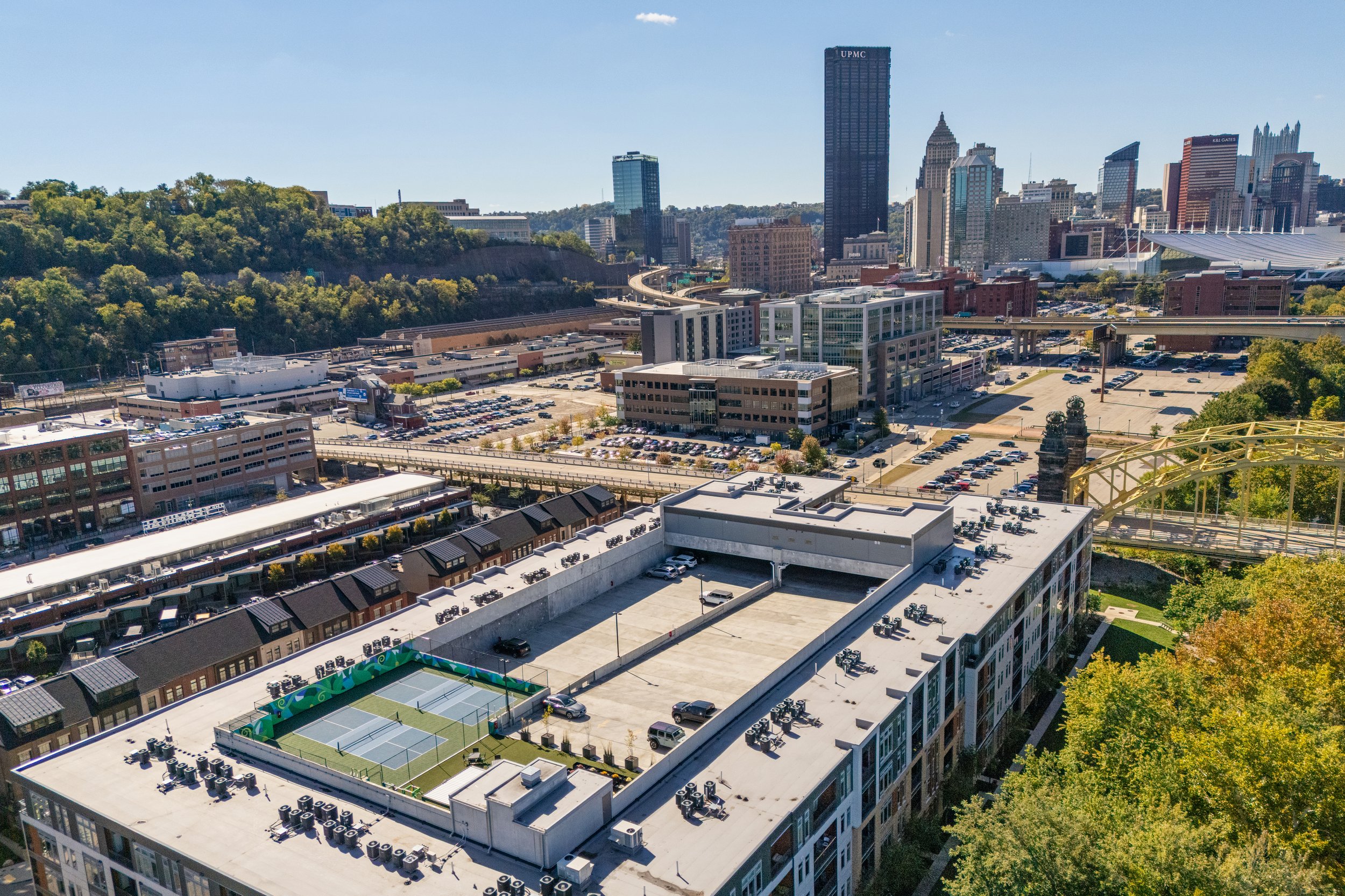
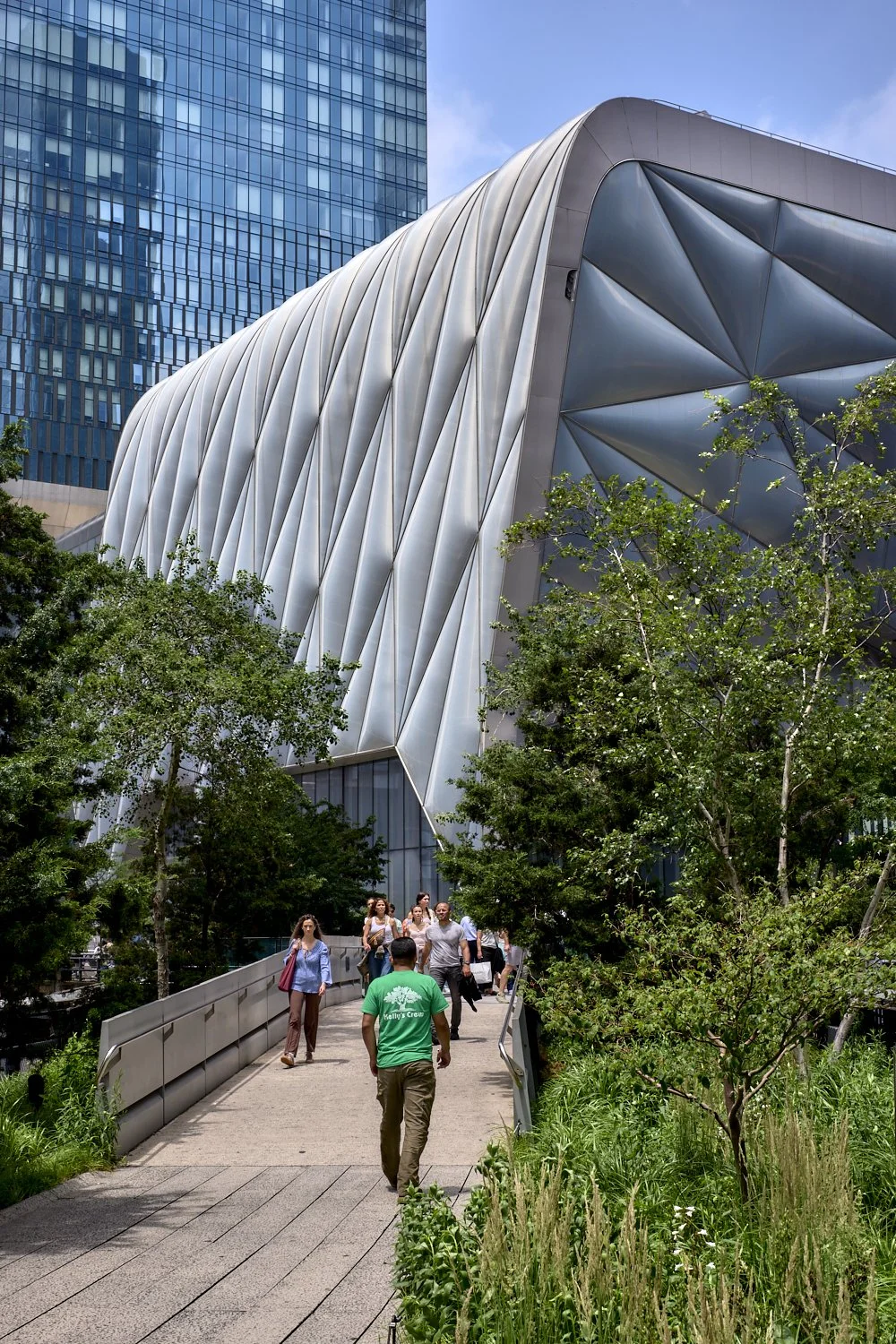
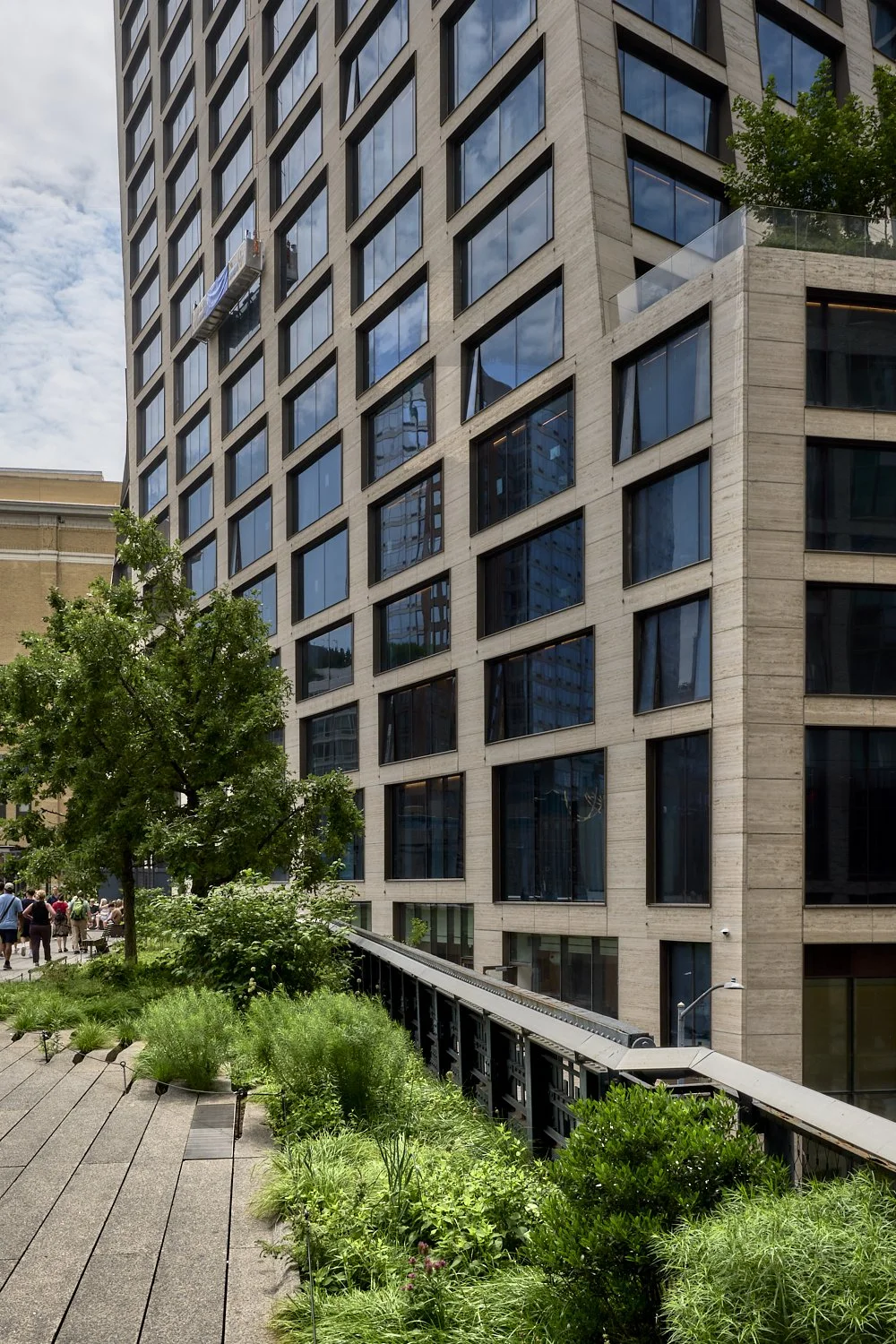
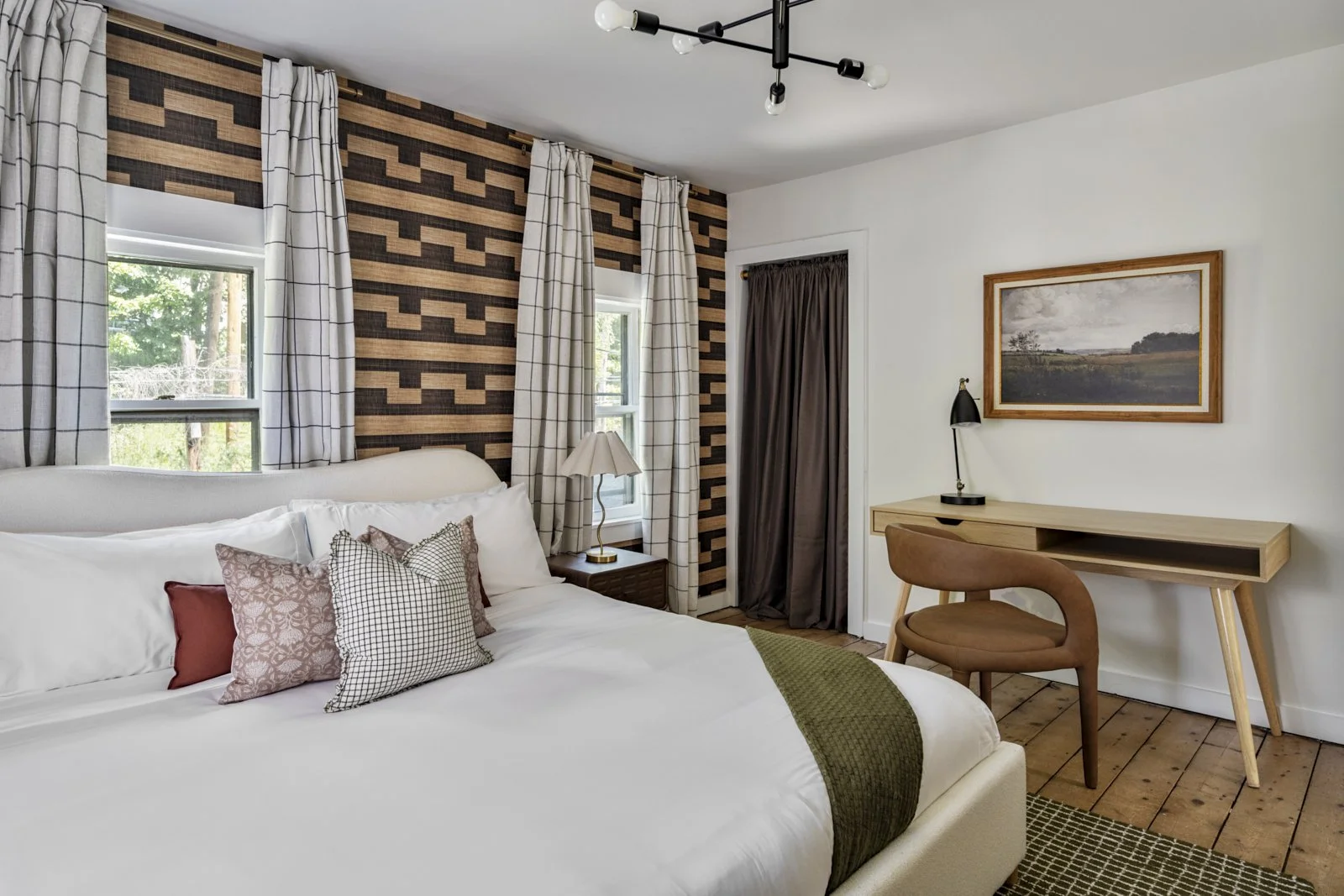
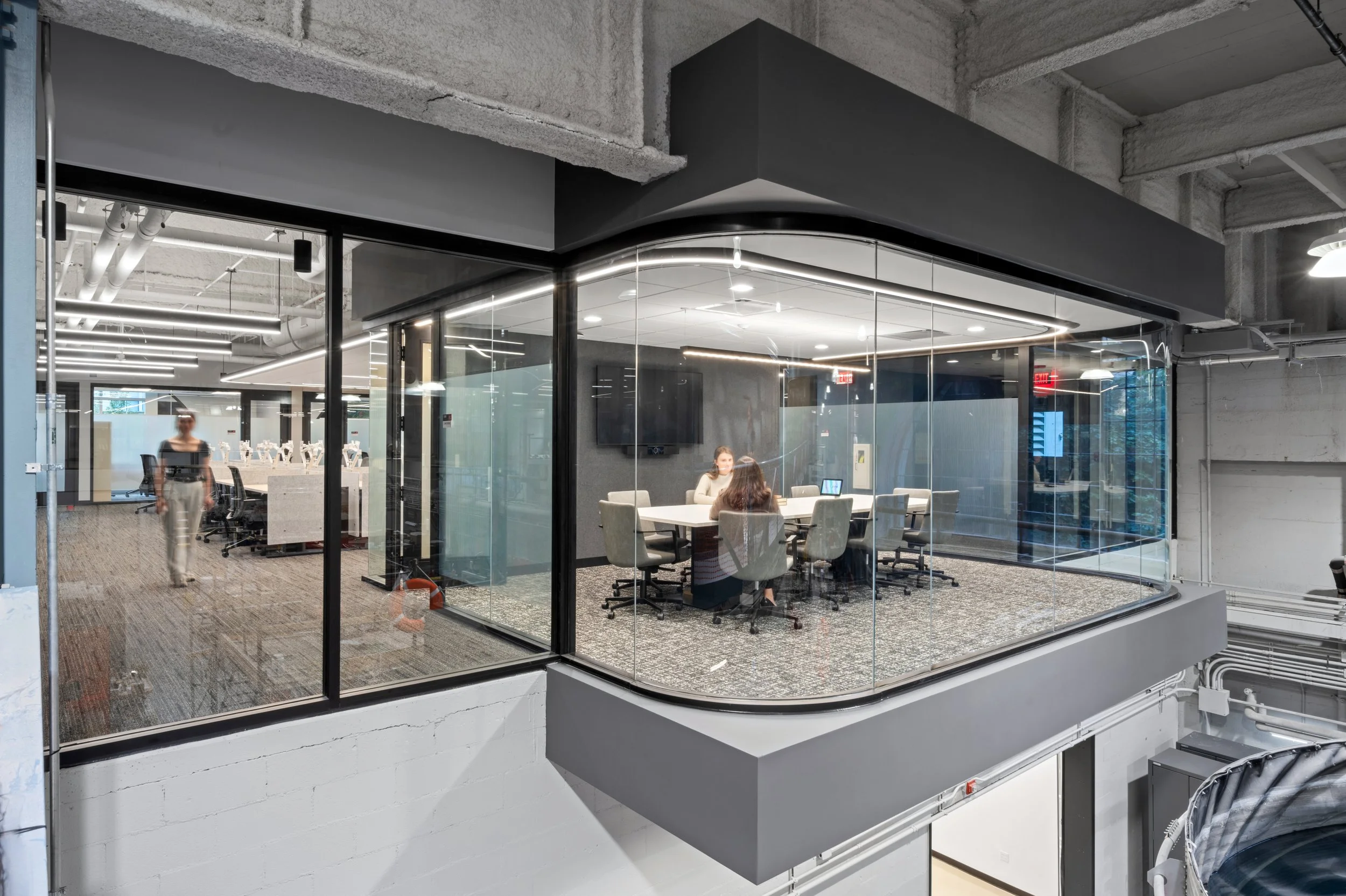
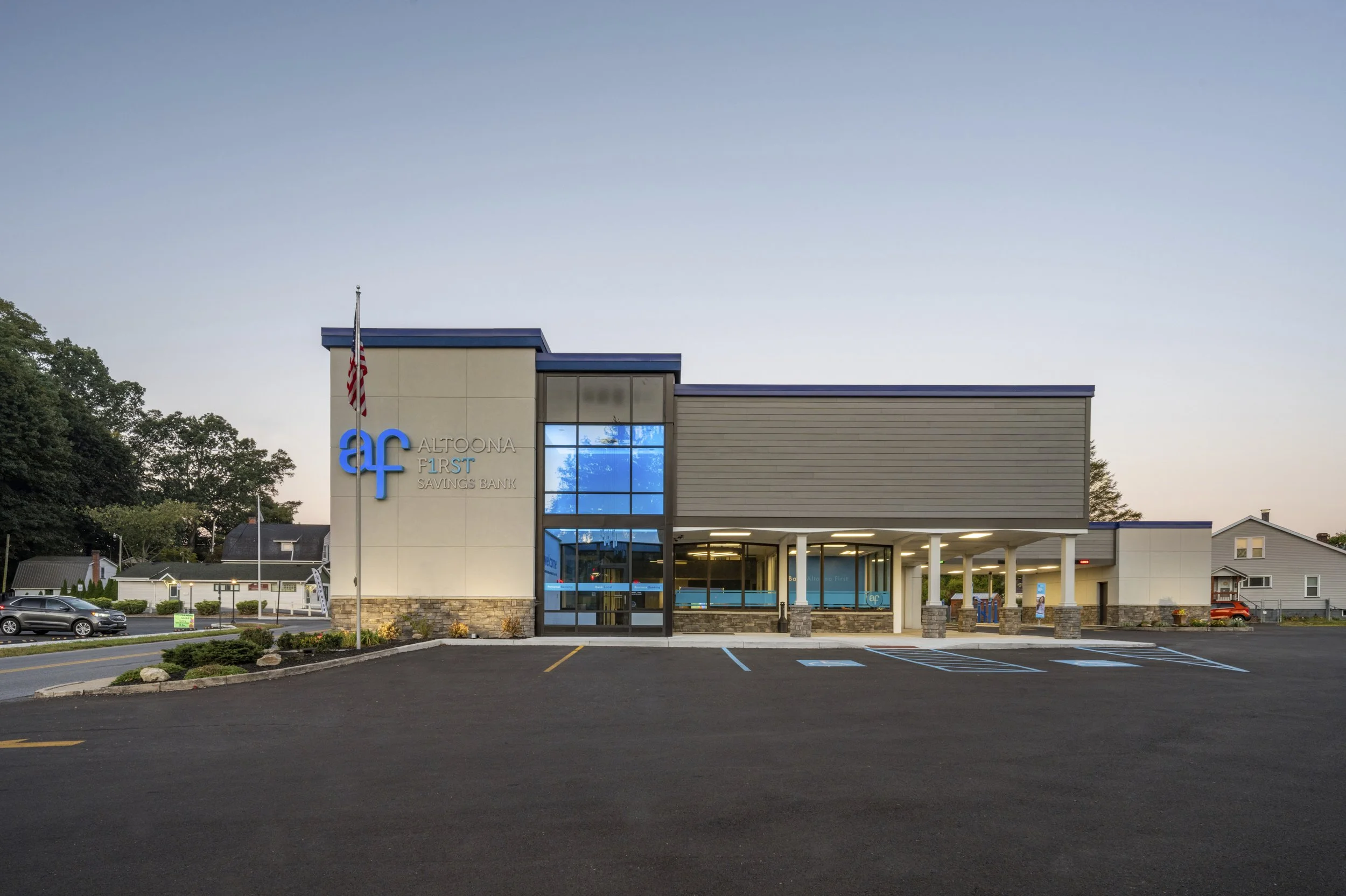
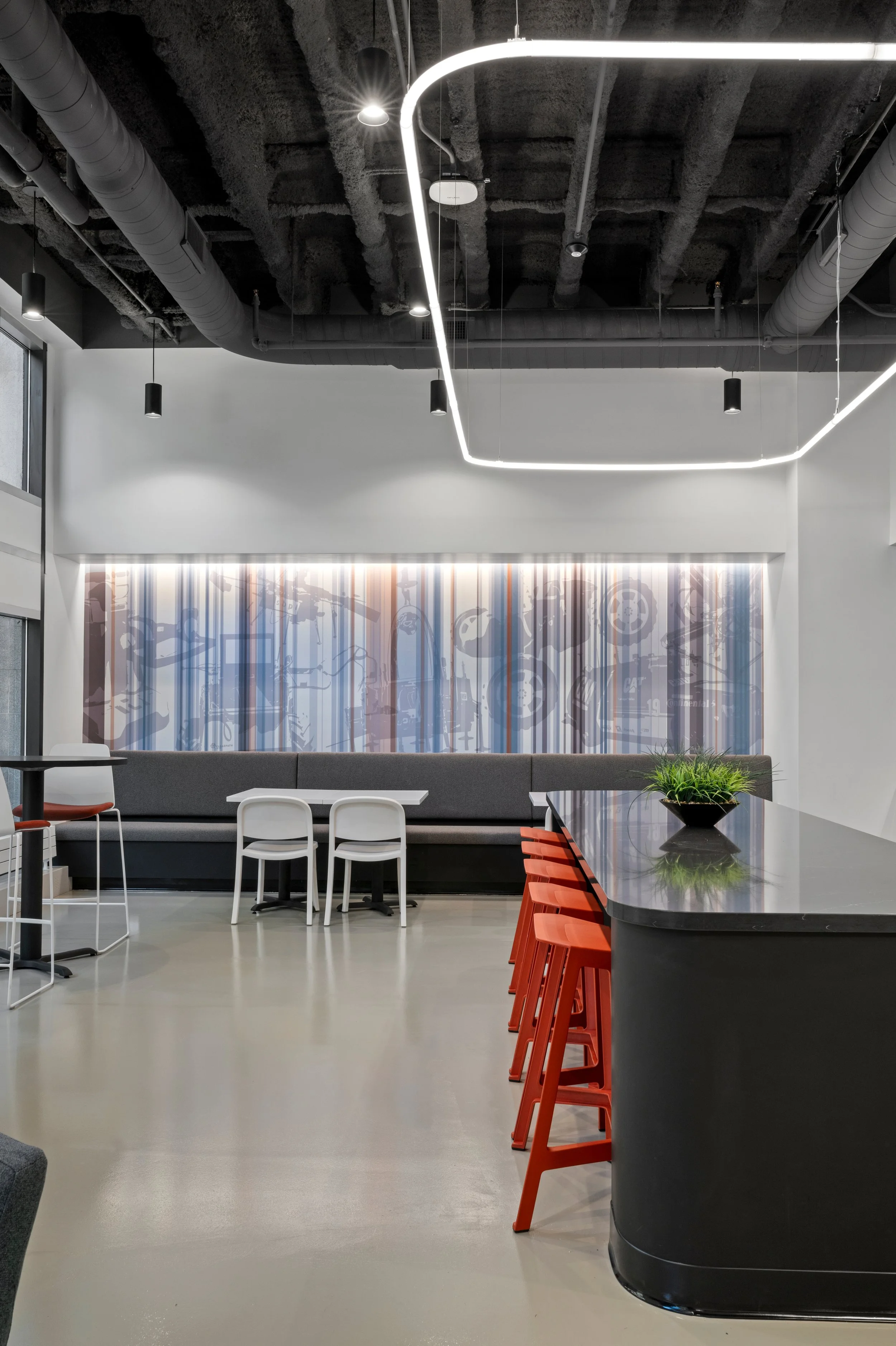
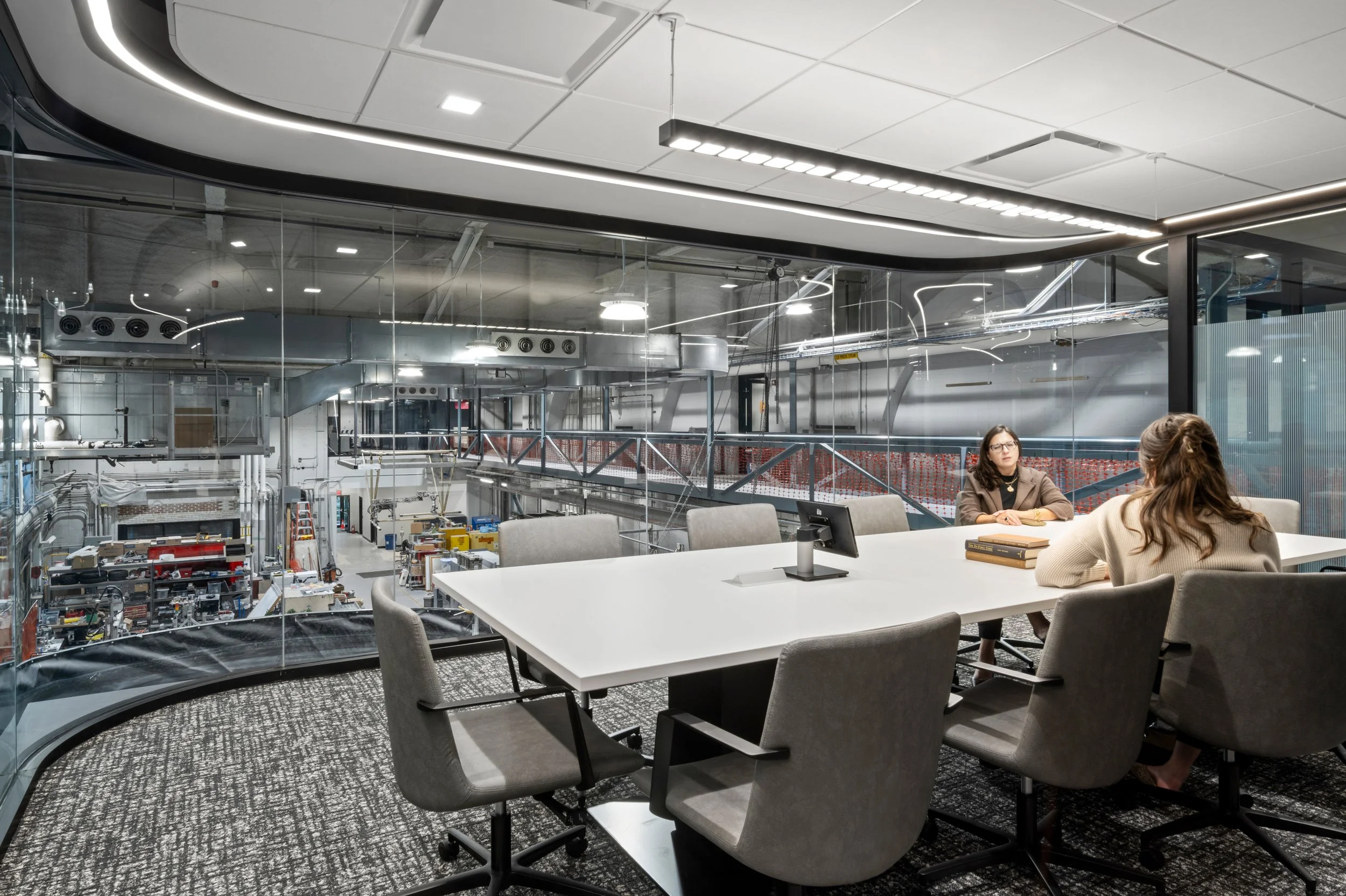
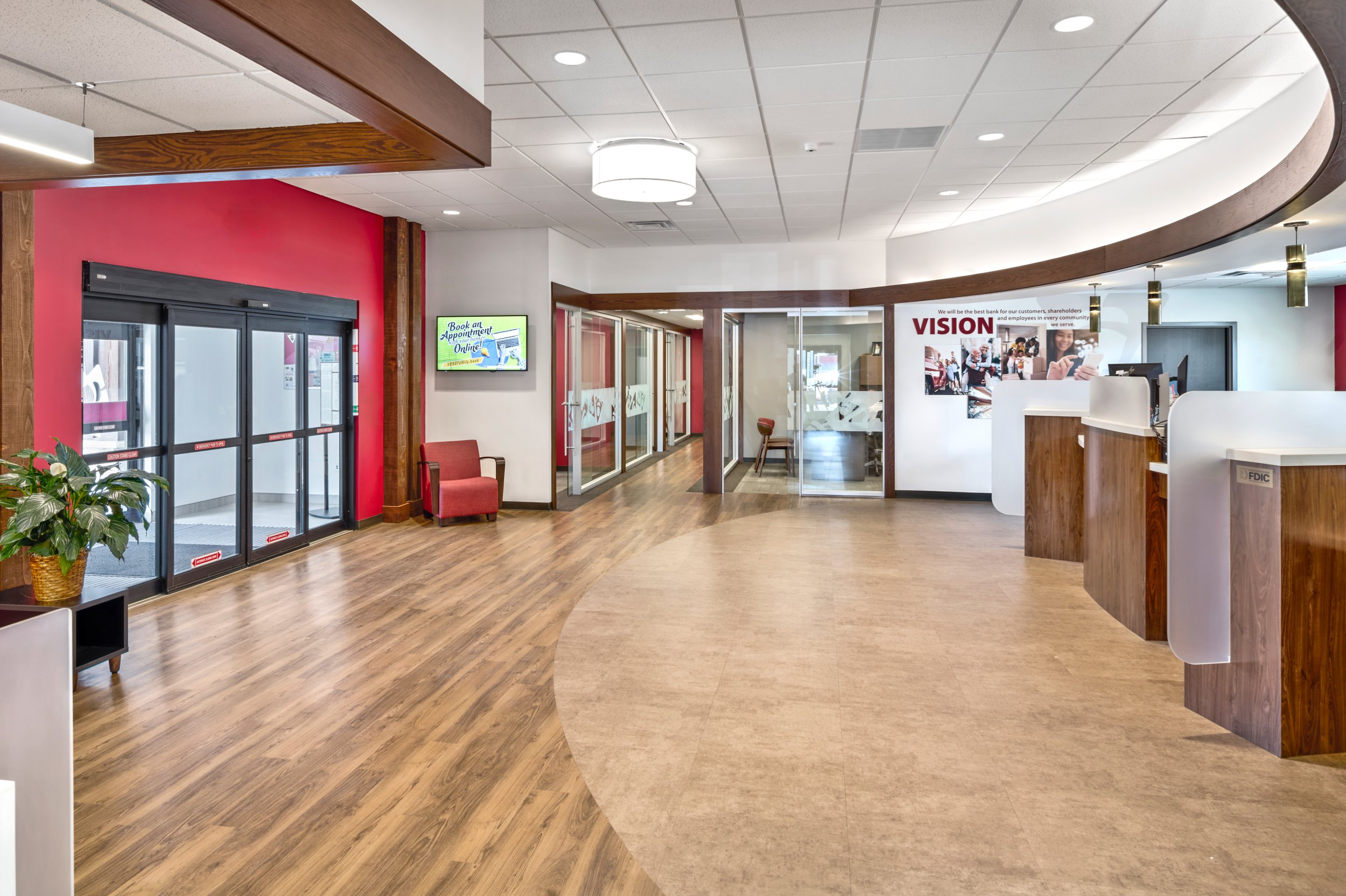
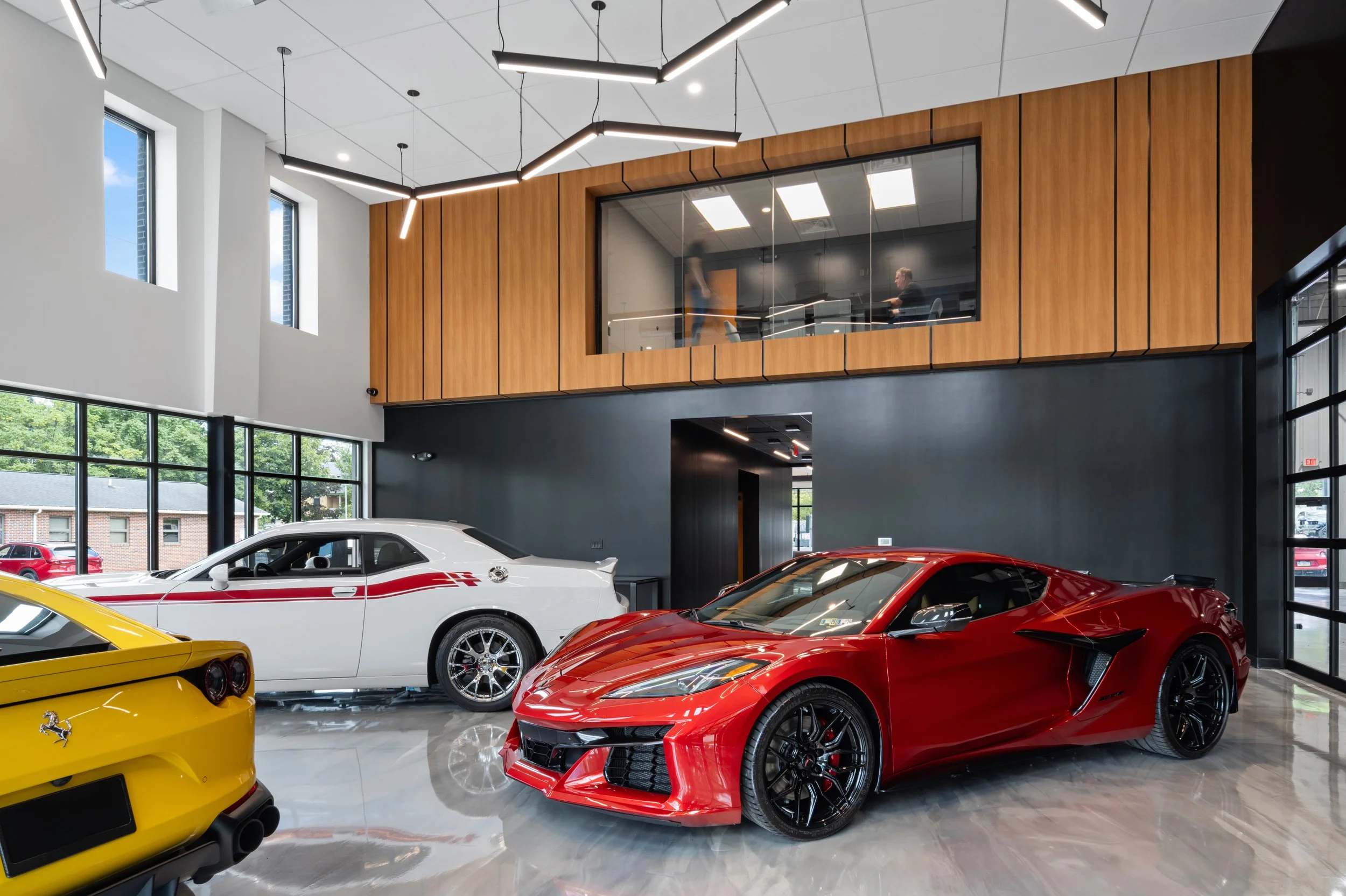
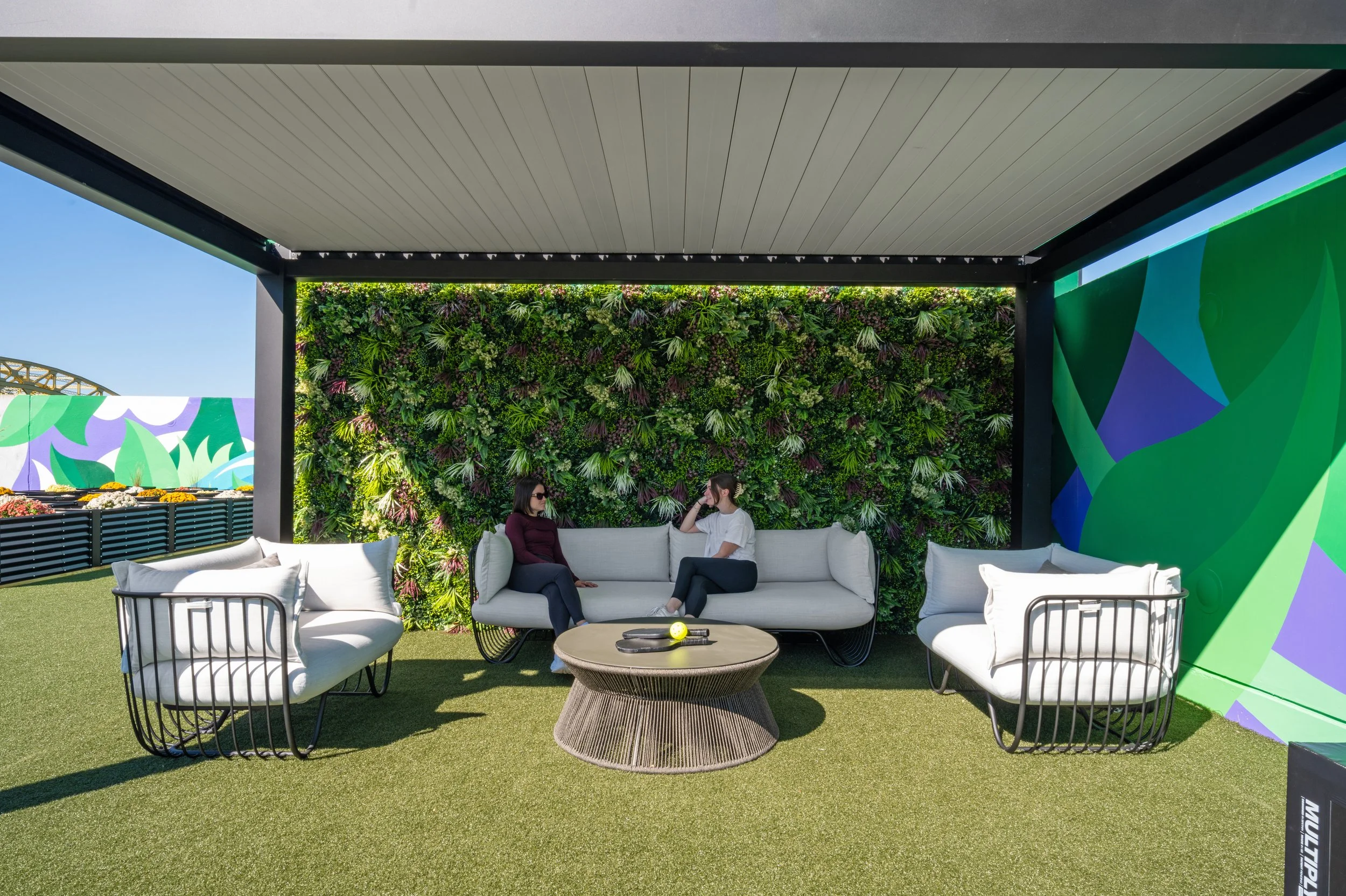
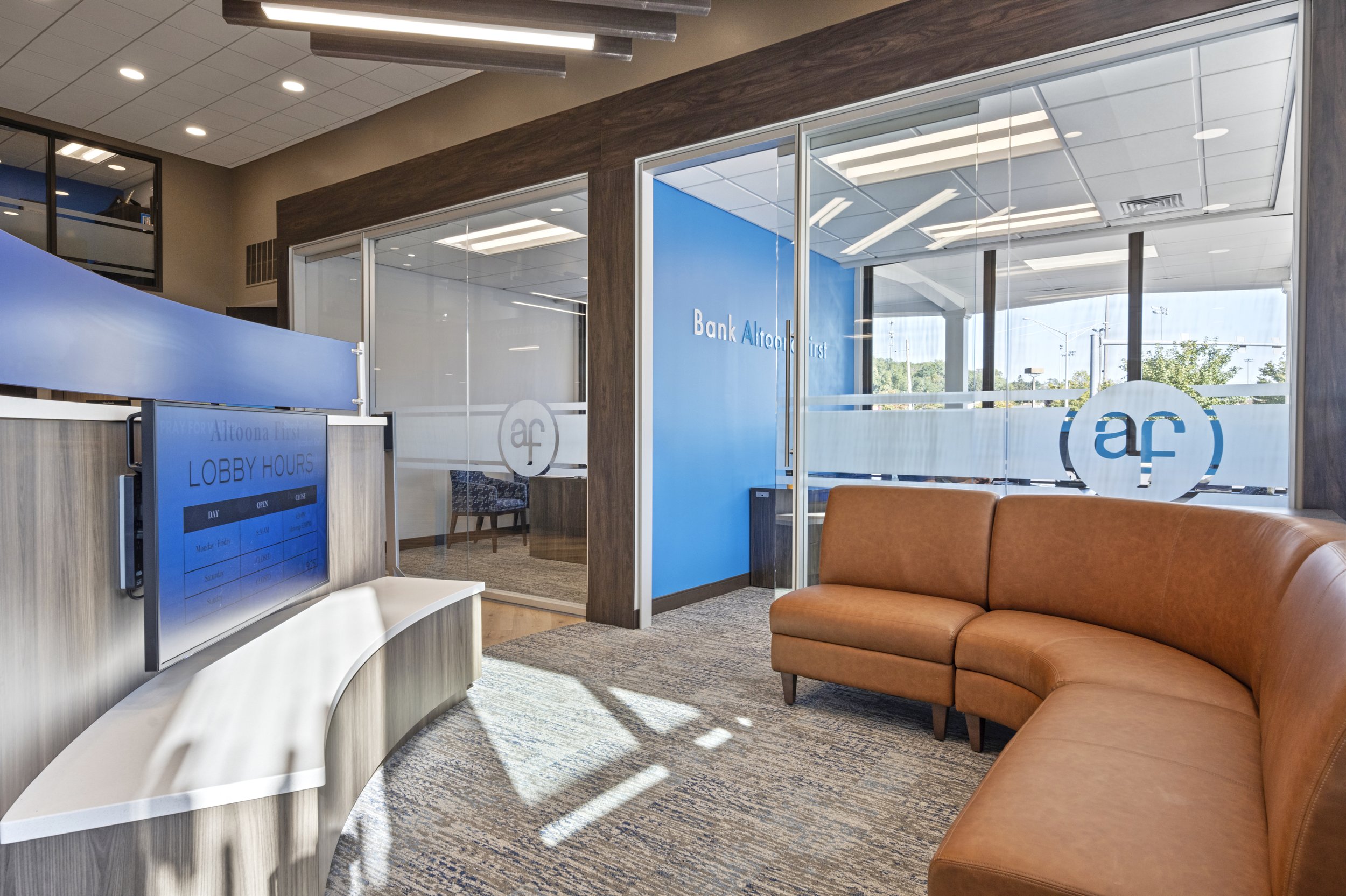
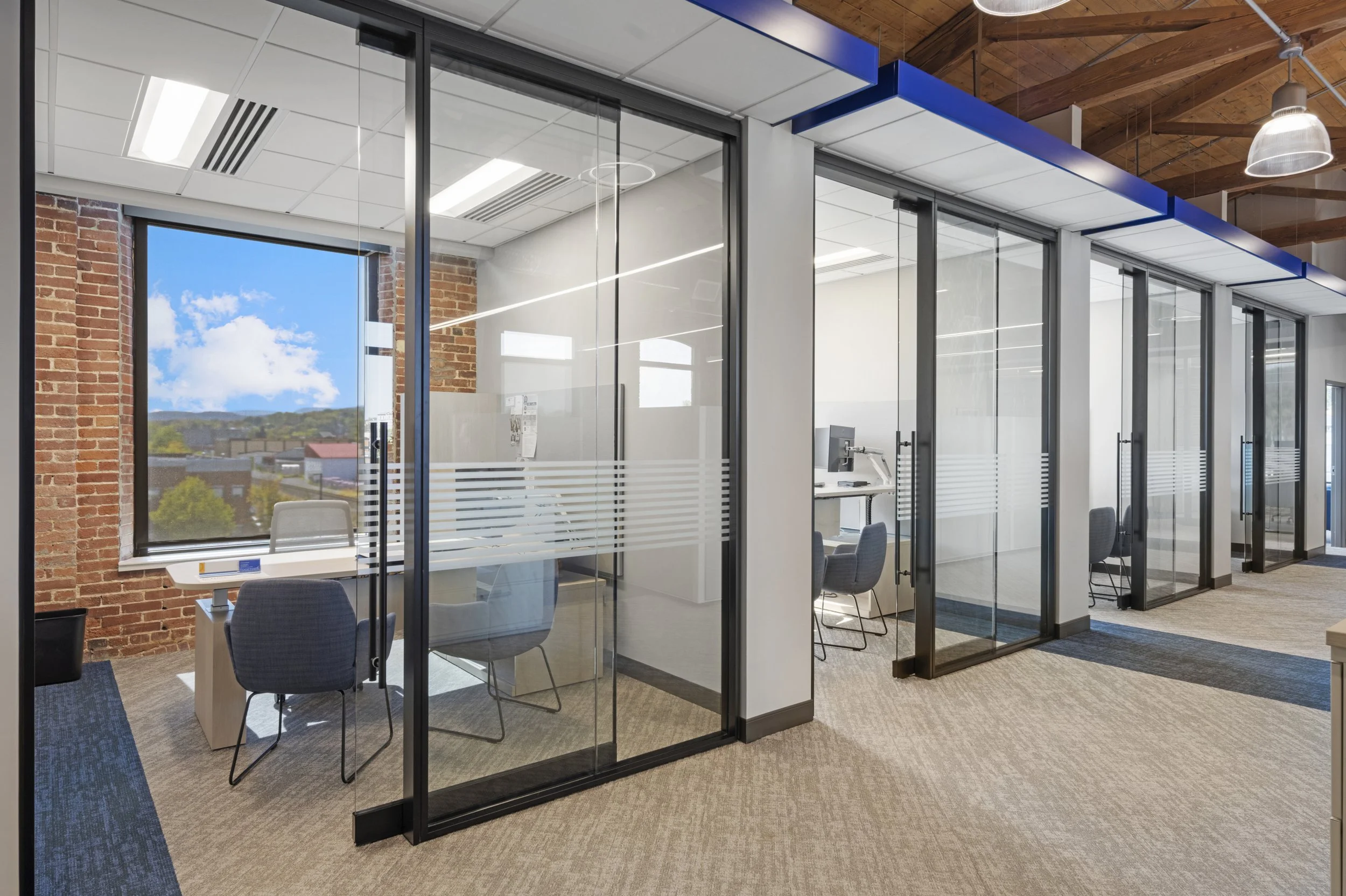
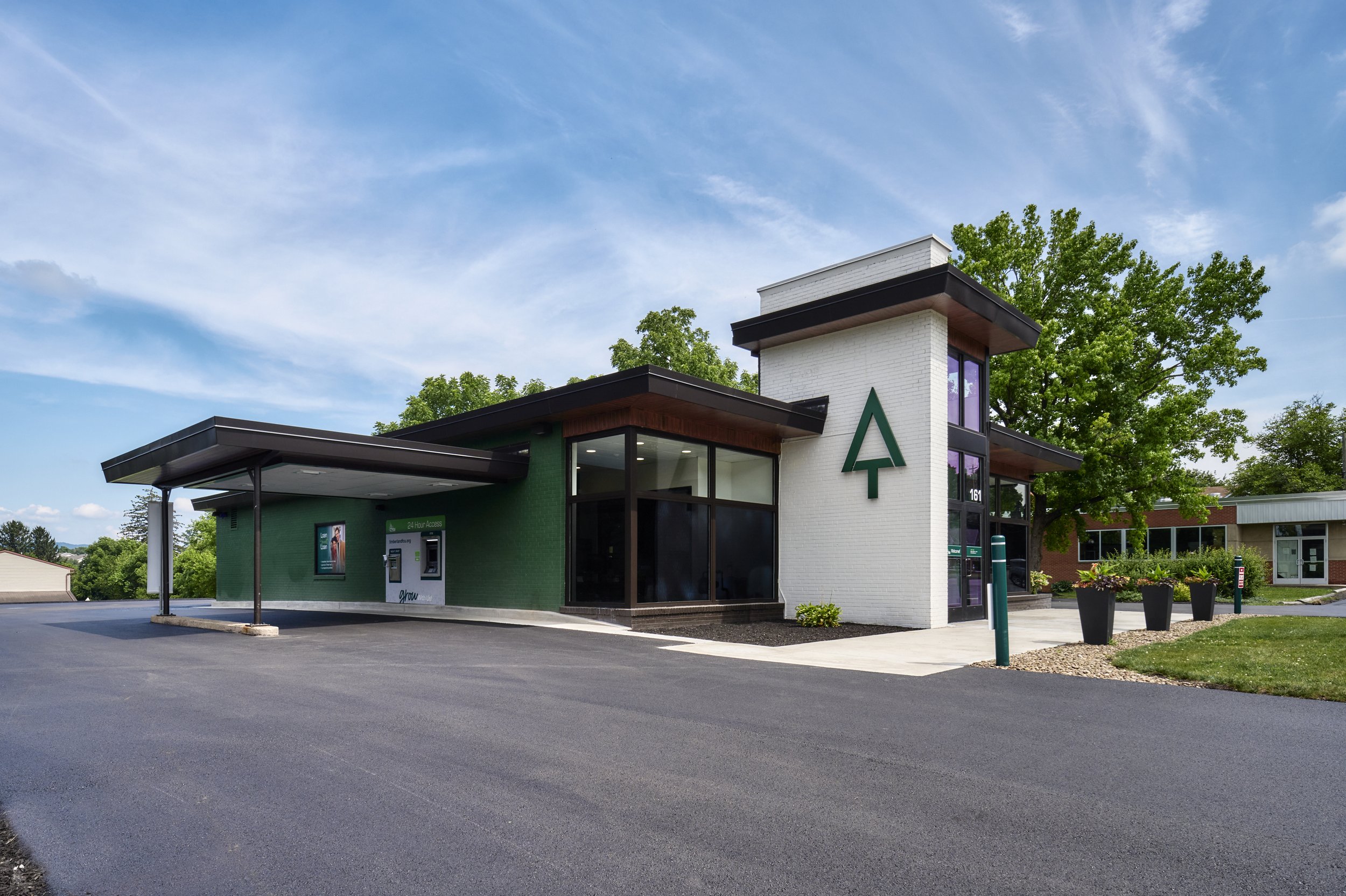
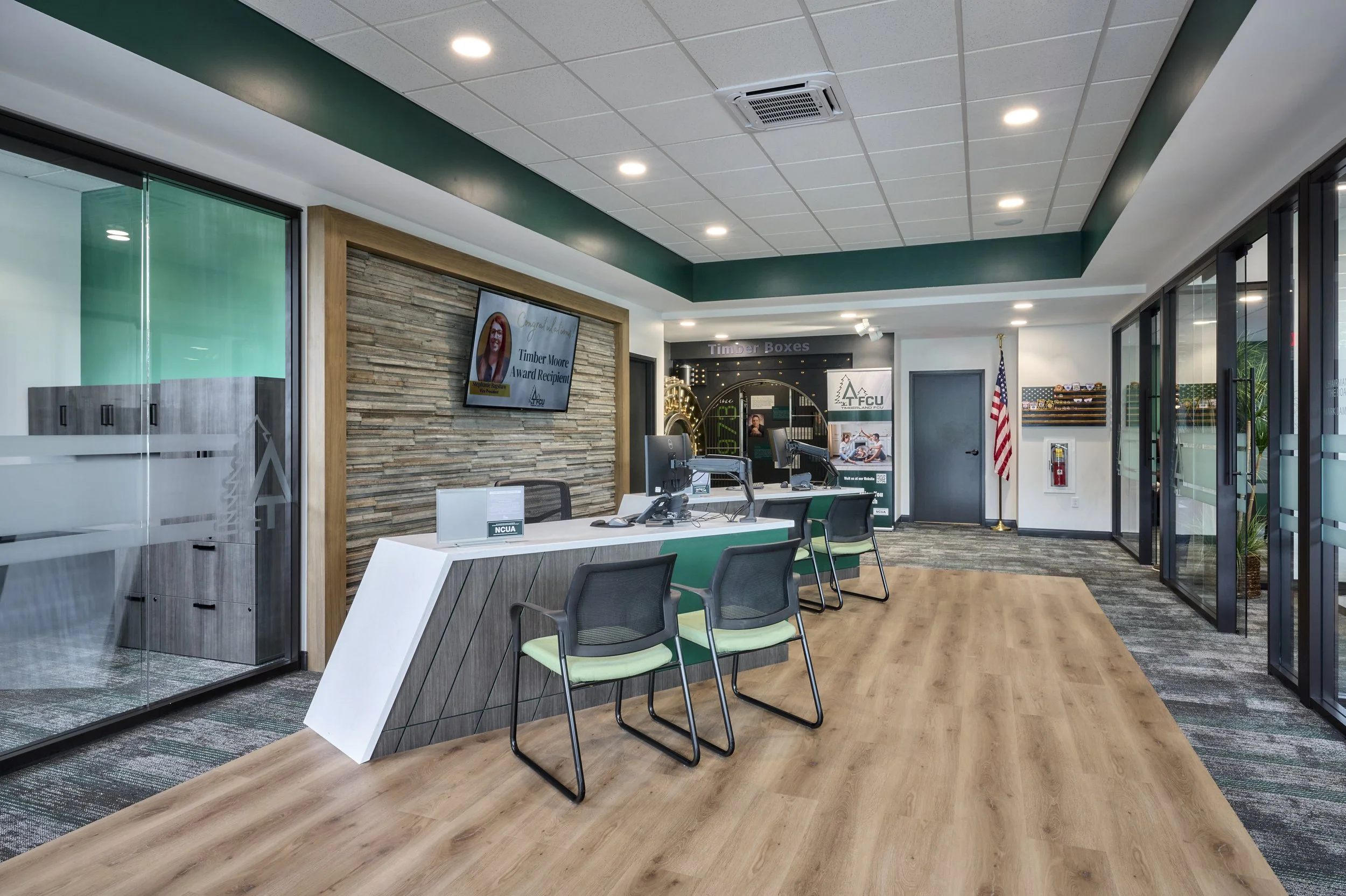
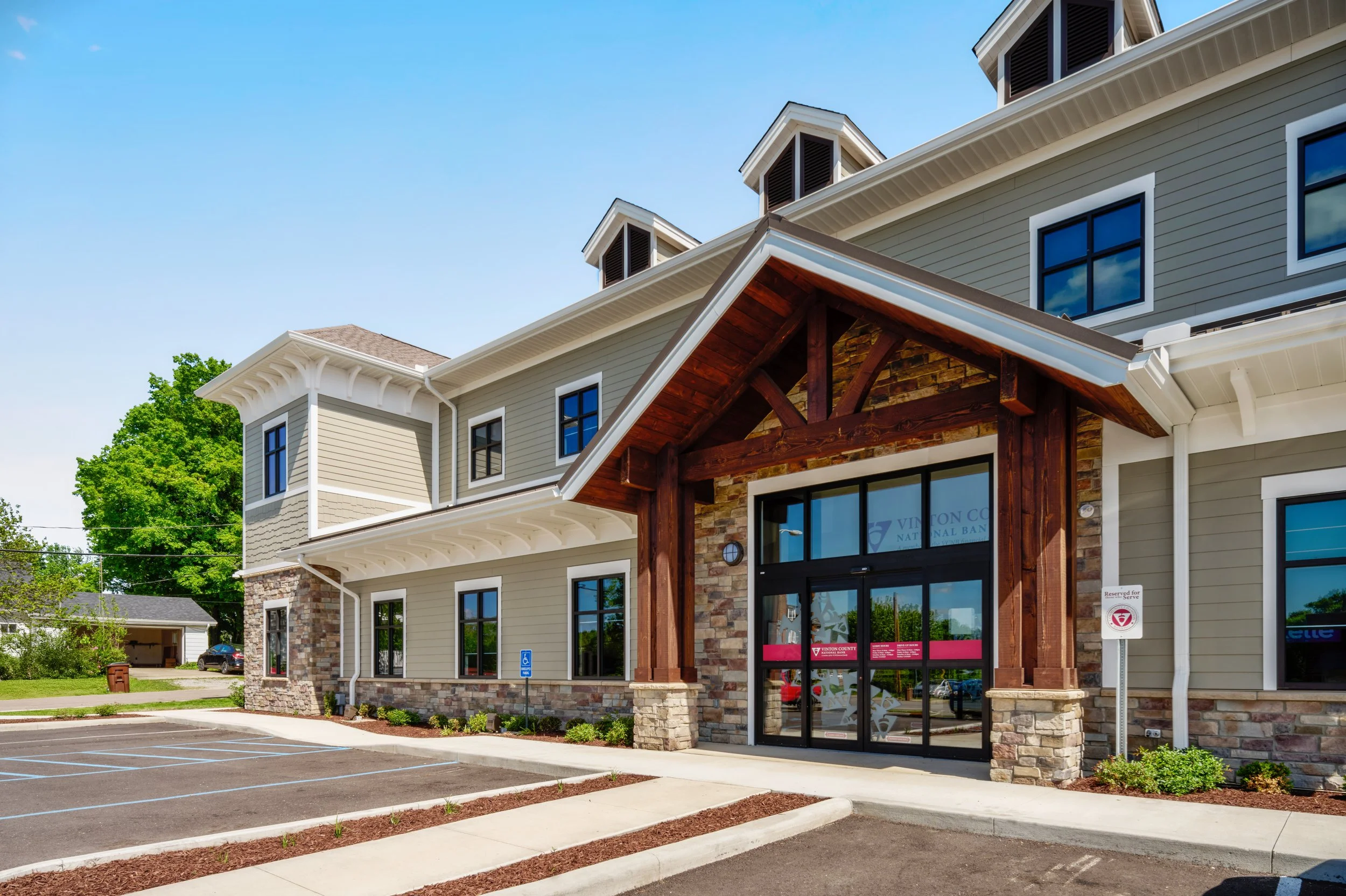
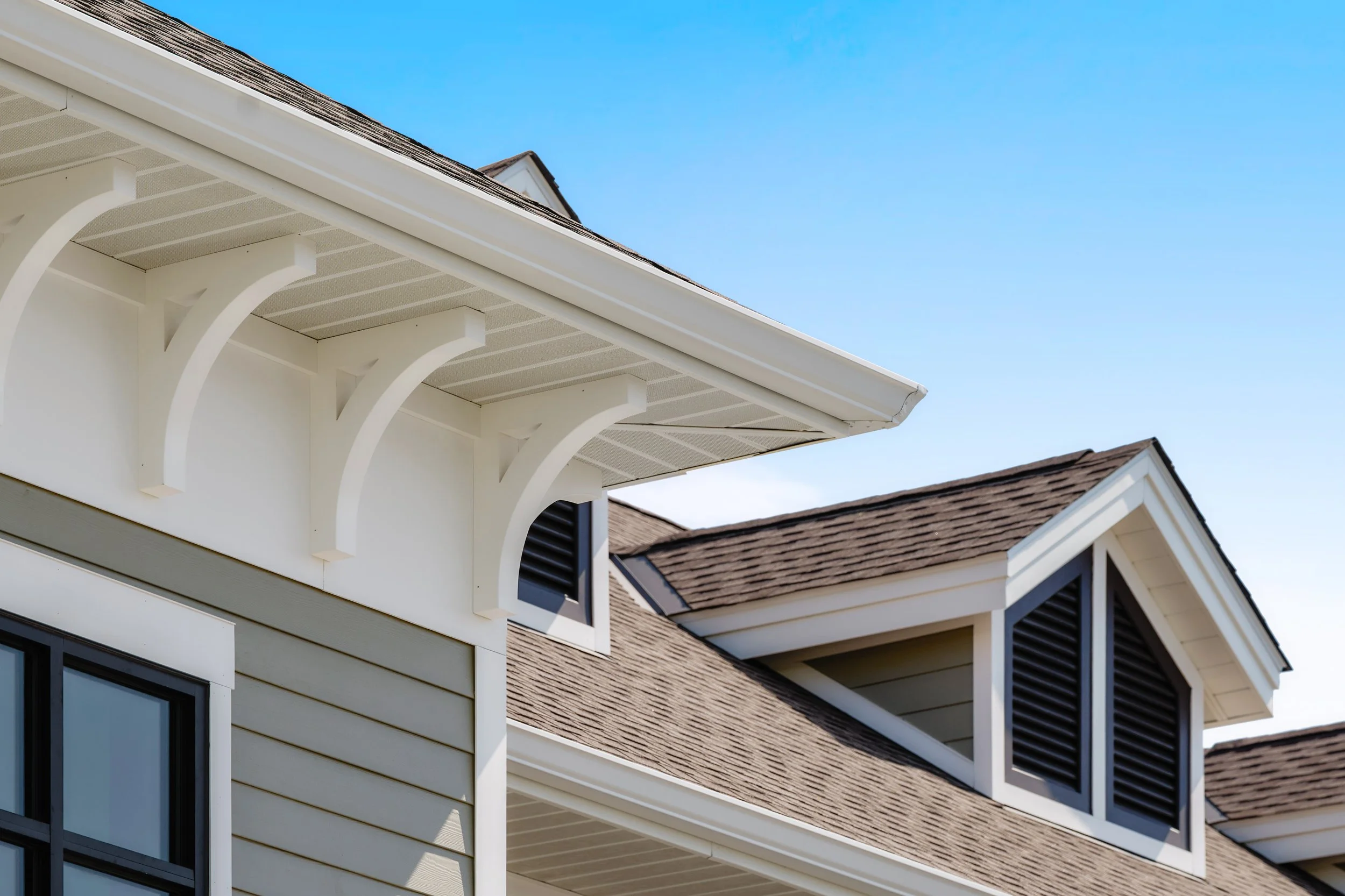
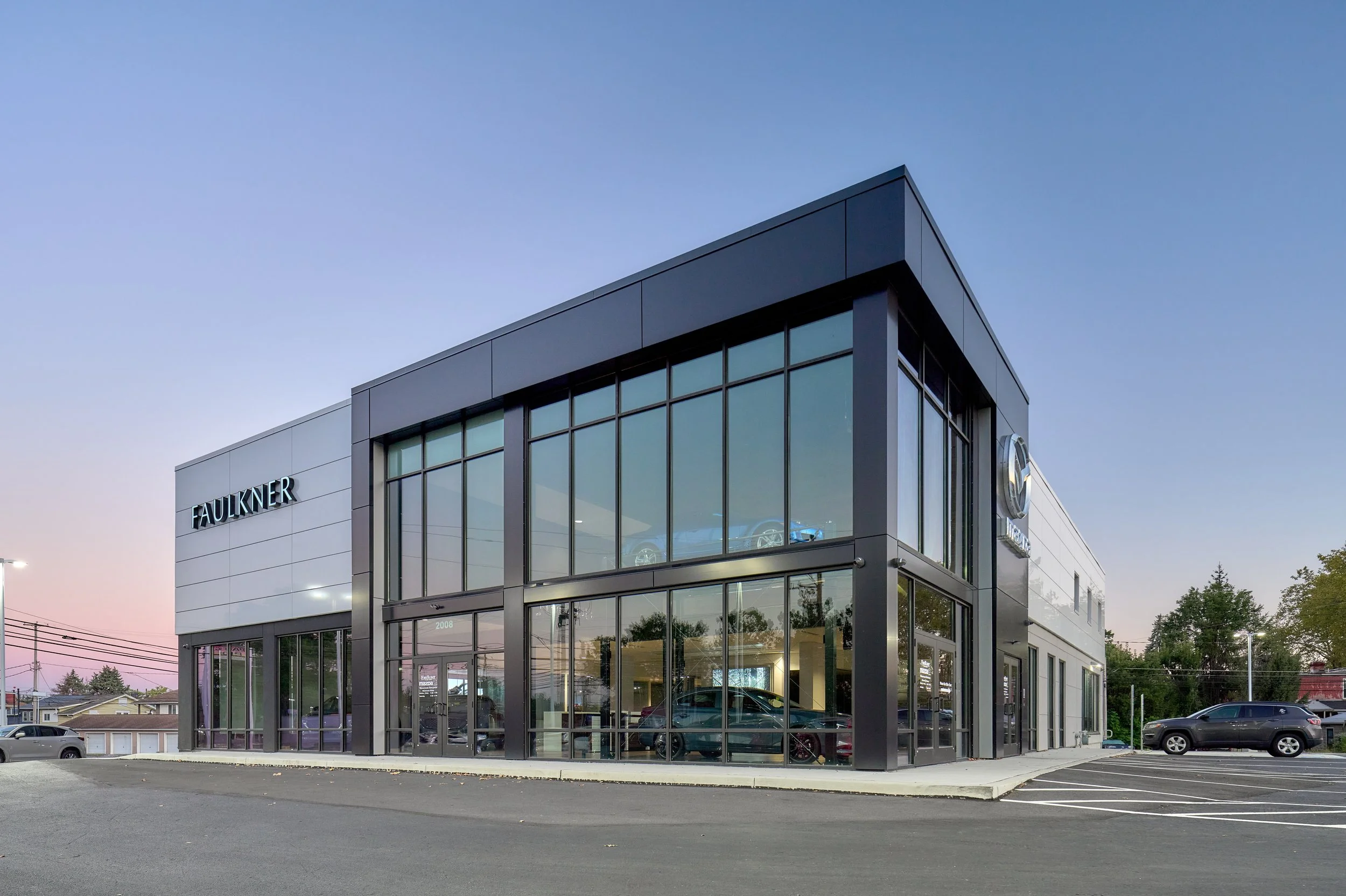
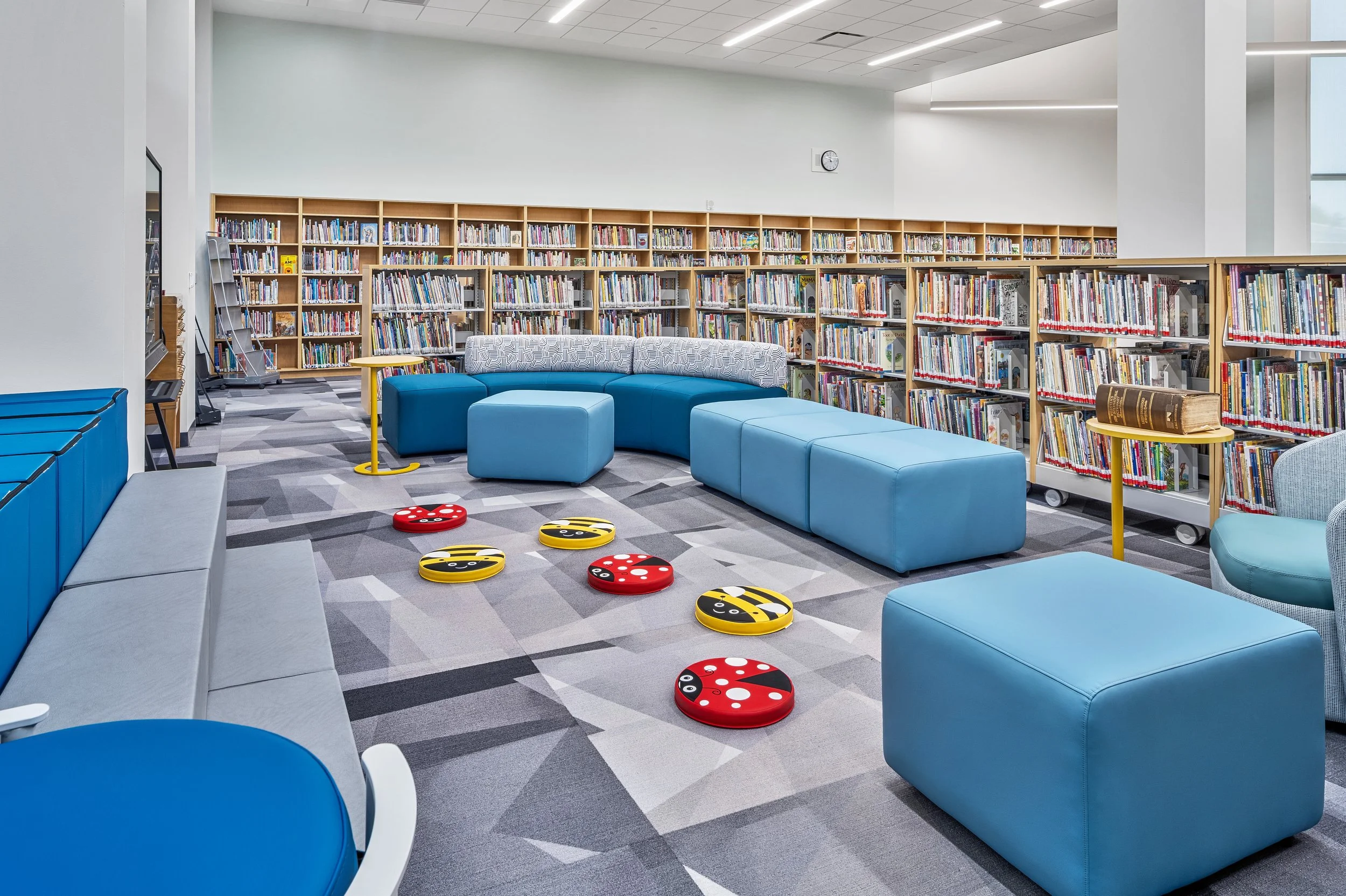
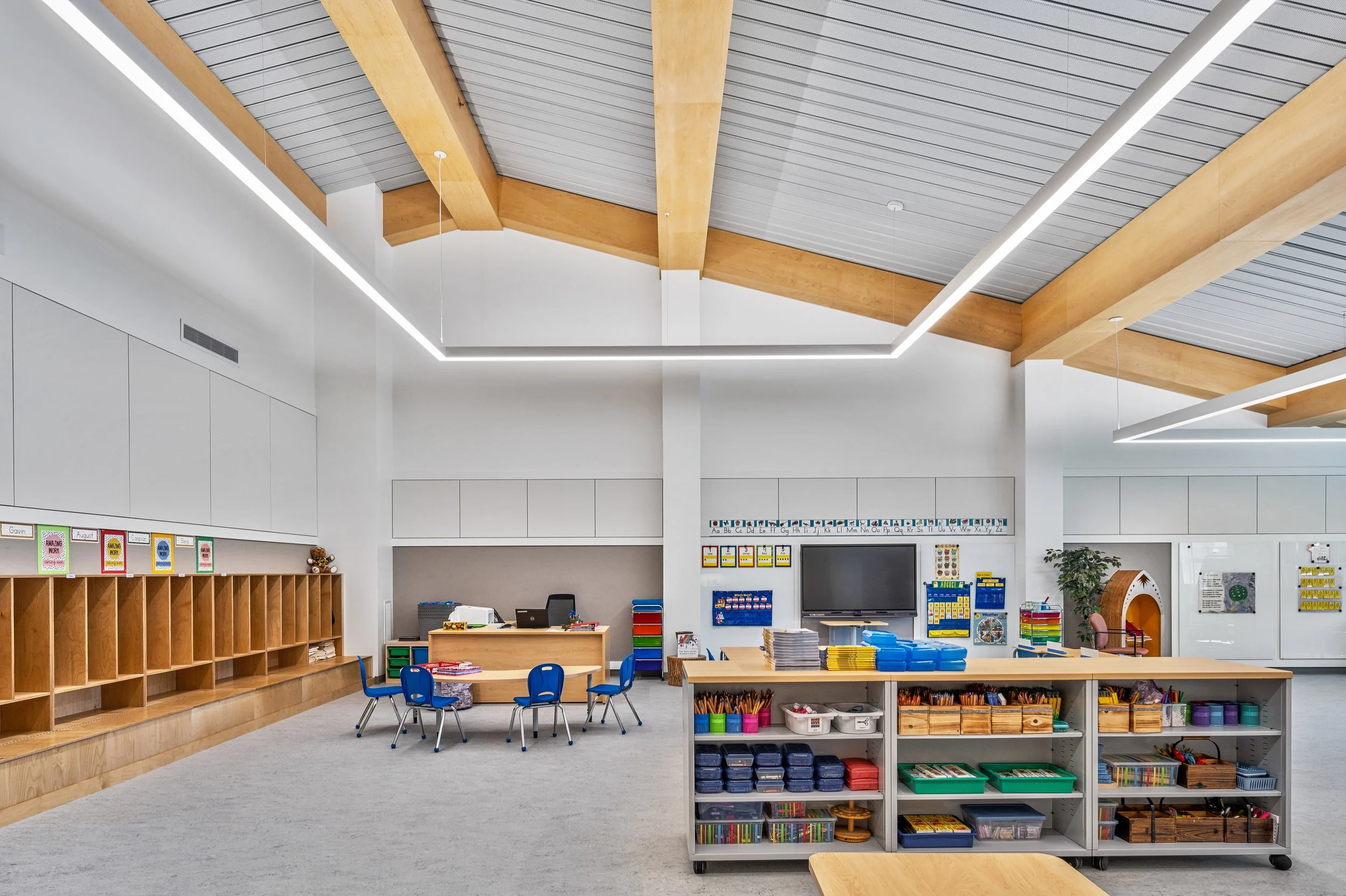
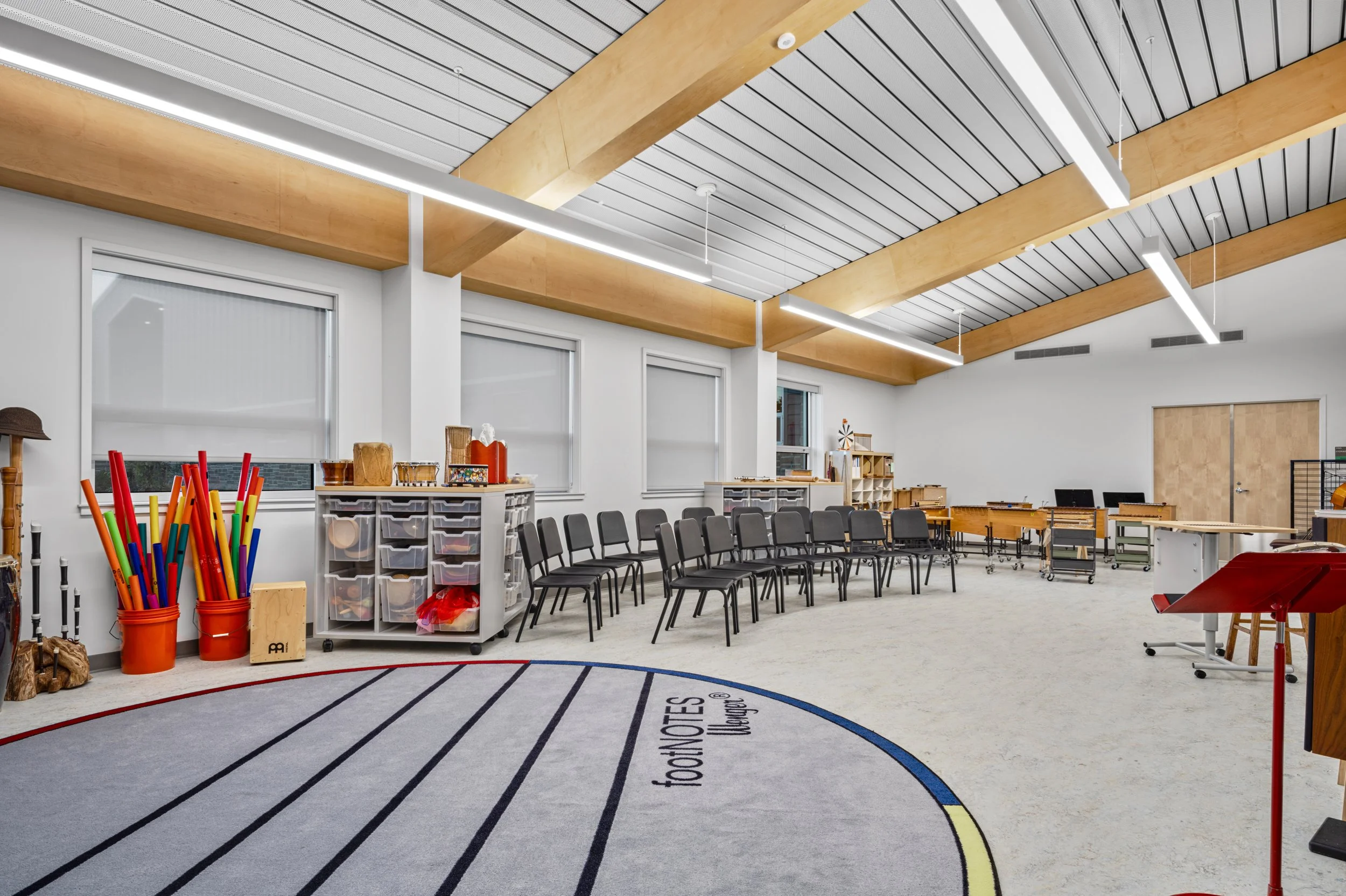
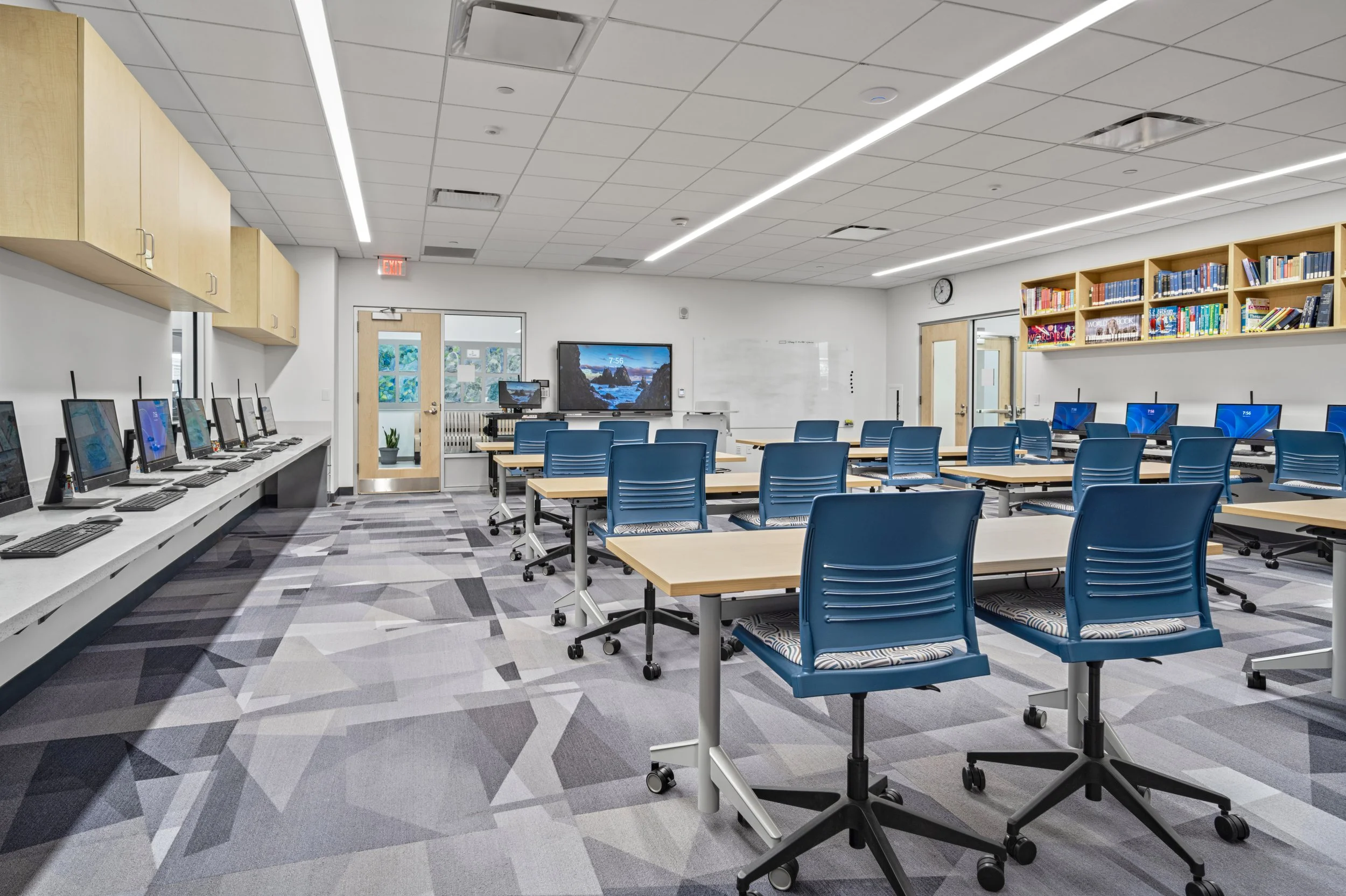
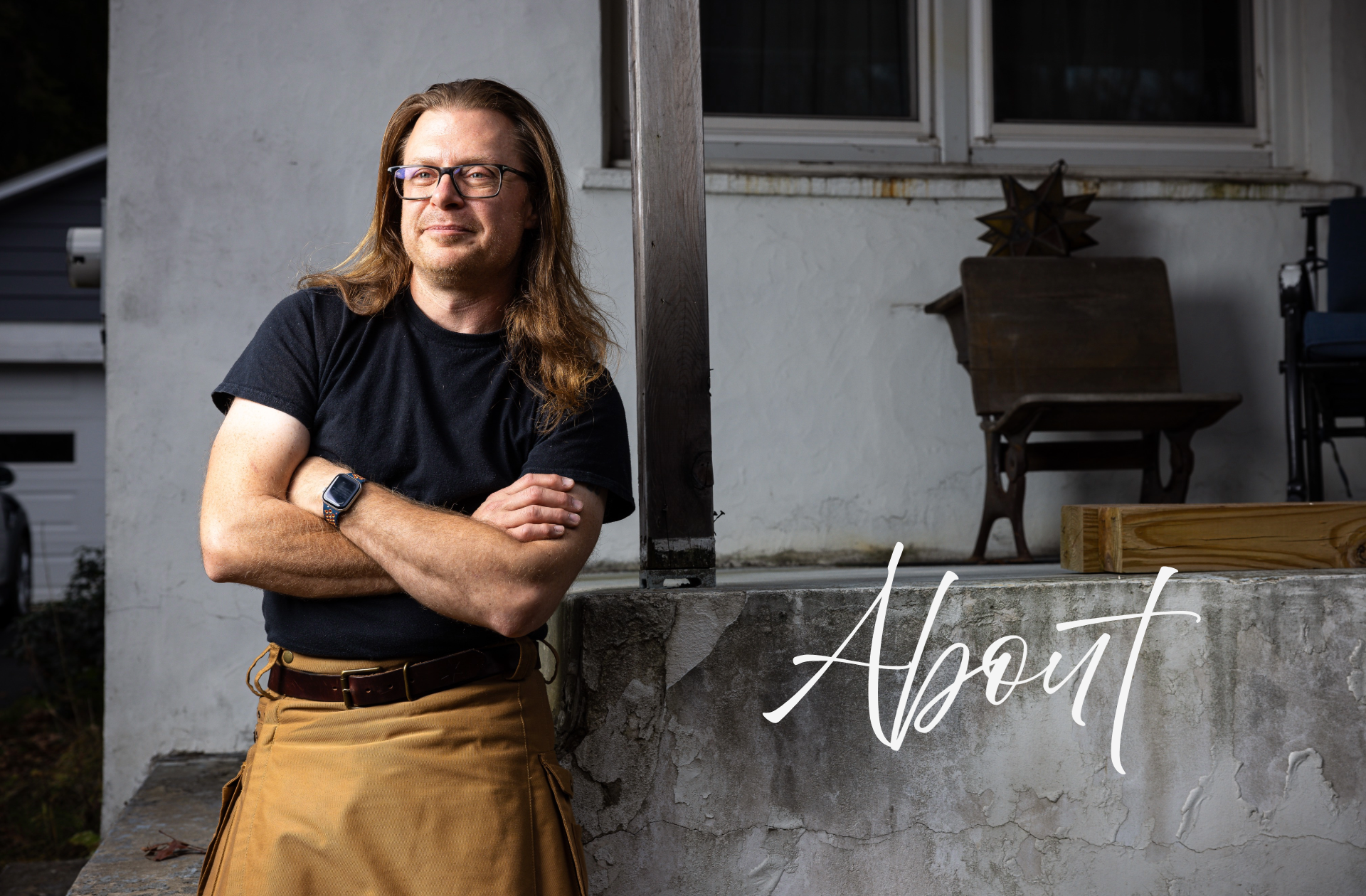
My name is Brian Riedel. I shoot the built world. I'm based out of the Hazleton, Pennsylvania area and shoot primarily across the state, including the Greater Philadelphia and Pittsburgh regions, and out through the rest of the Northeast, Mid-Atlantic, and Eastern Midwest. I love to travel, so when I have the opportunity to shoot across the country, I'm always ready to go.
I started back in 1998 after attending the Pennsylvania School (now College) of Art & Design in Lancaster, PA. I studied Graphic Design within their Communication Arts program, with a minor in Photography. I loved the darkroom, the smell of the chemicals, and the excitement of seeing my images spring to life in the bath trays. I was hooked. That eventually turned into a couple of instances in time of shooting weddings, which was good training. I learned to read a room, find the moment, and not miss it. When digital came along, I made the jump, a few years on, and a couple of cameras later, we arrived here.
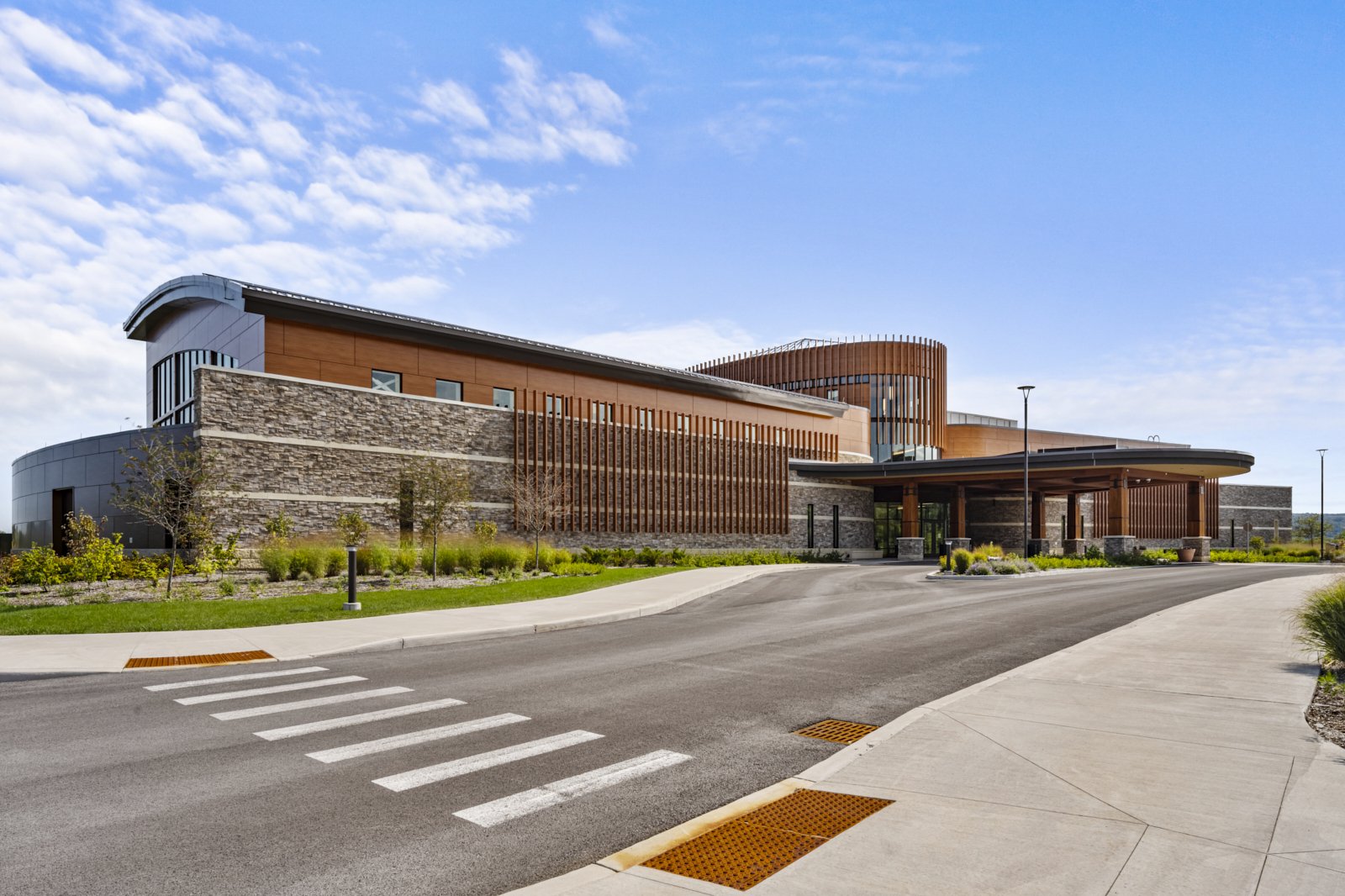
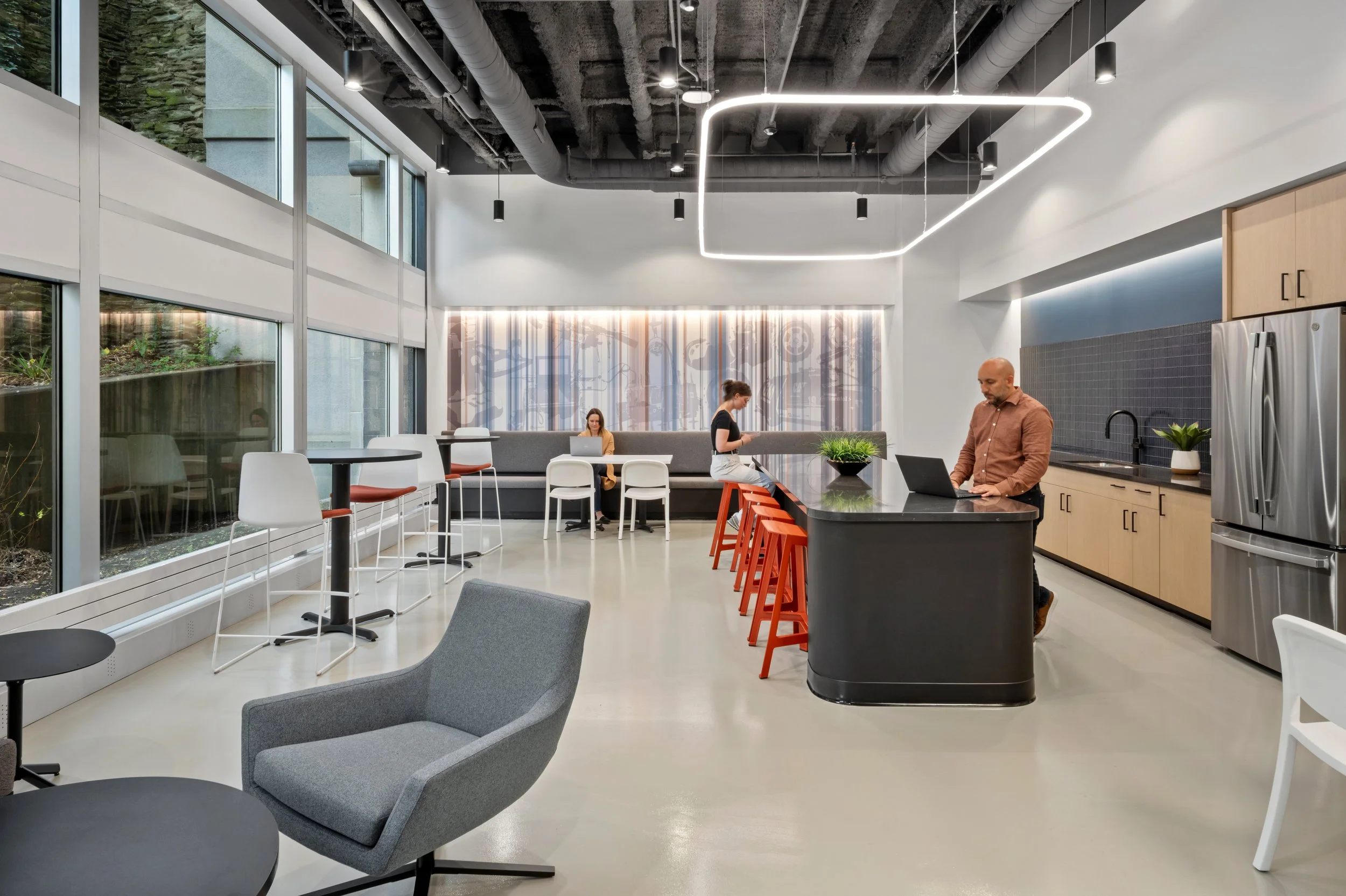
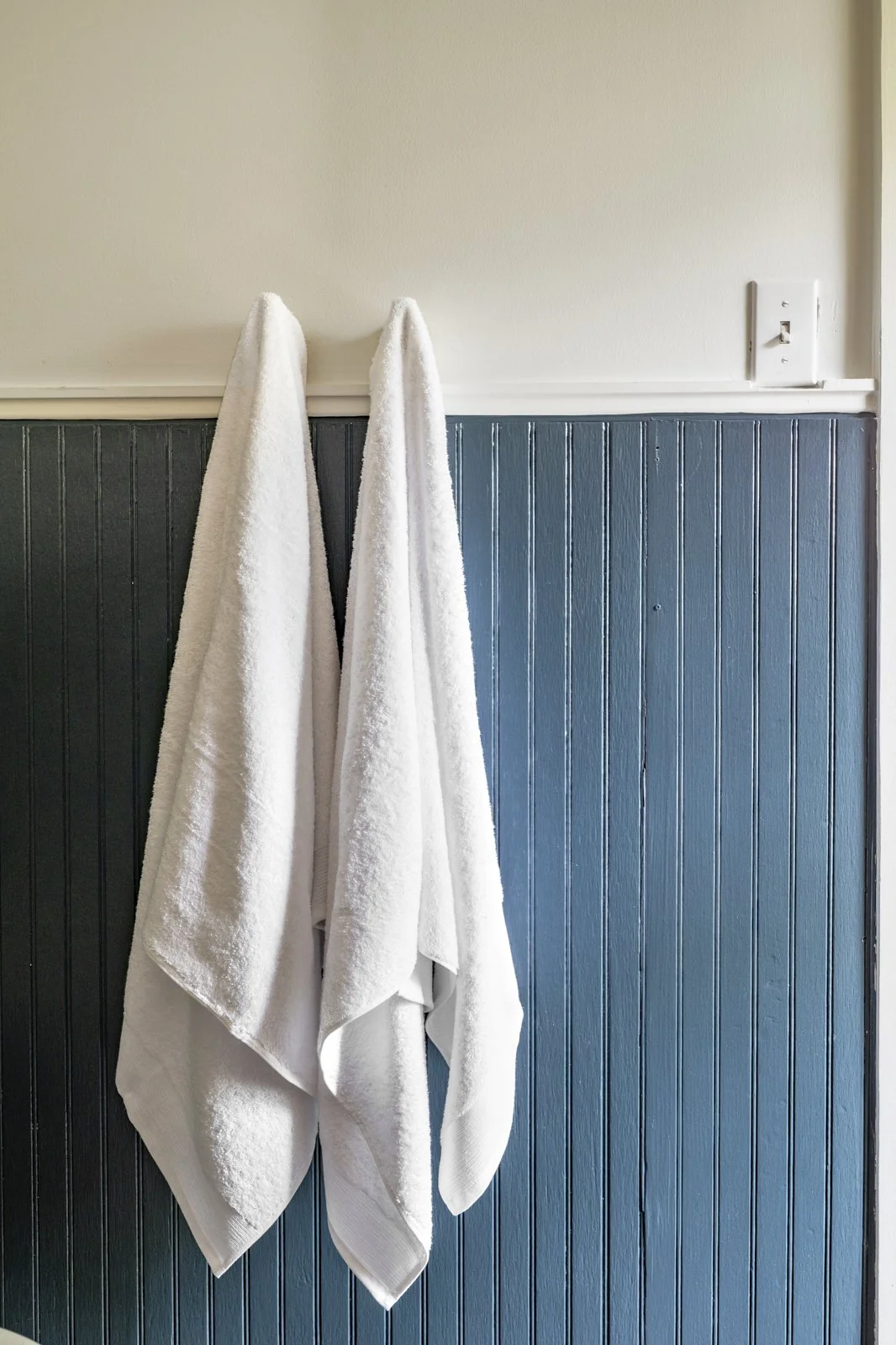
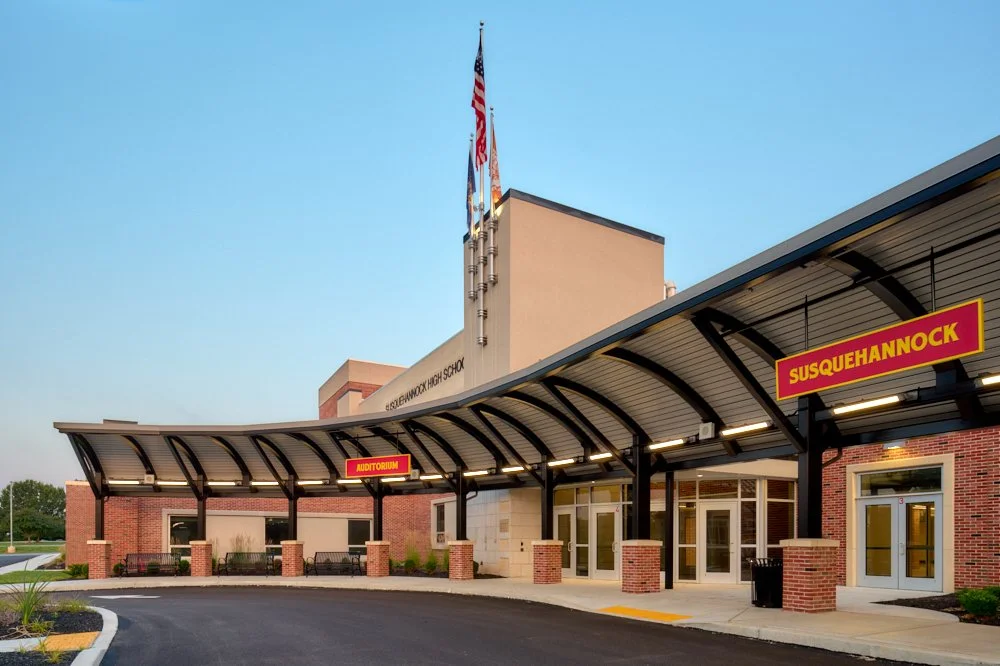
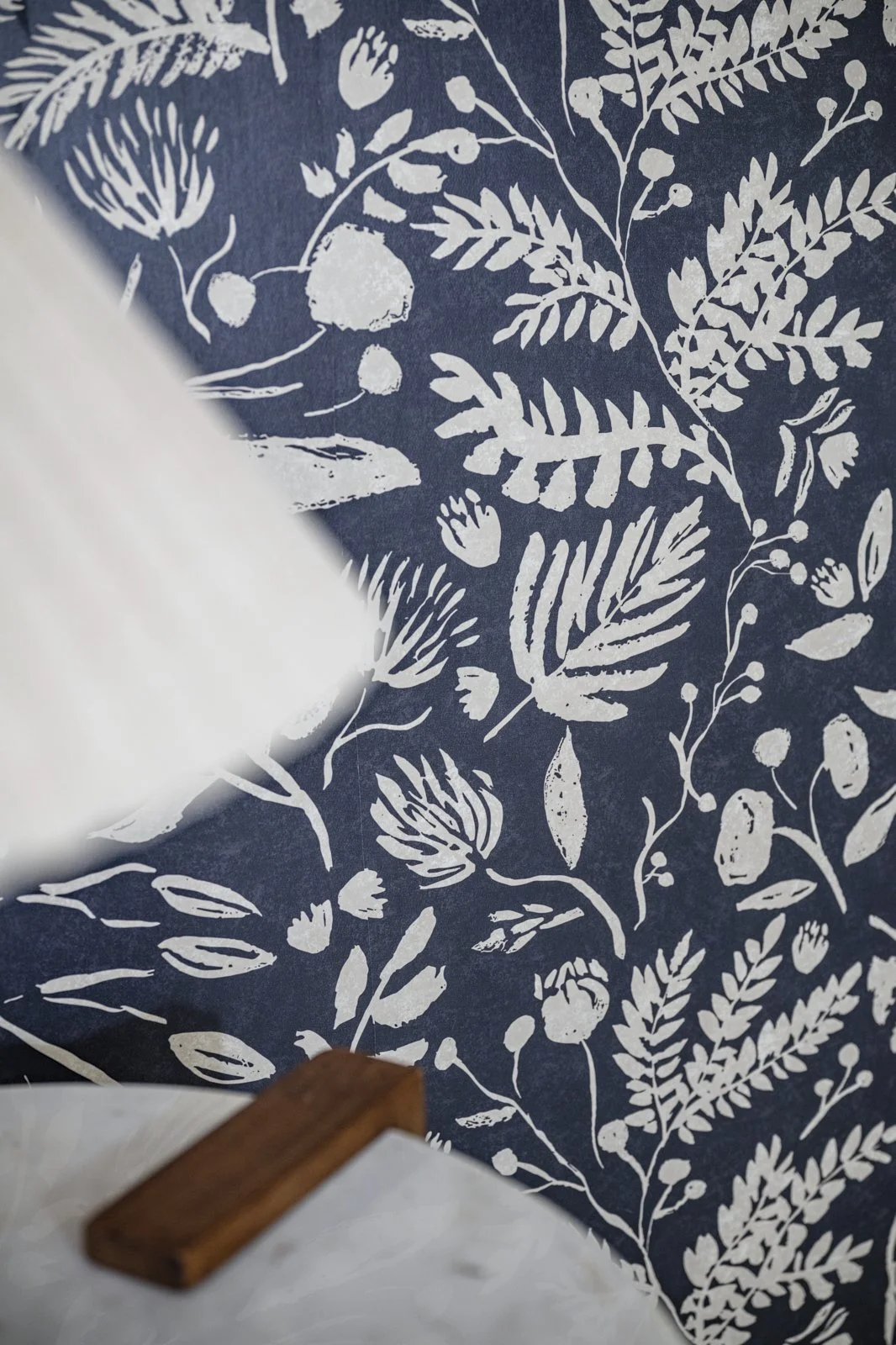
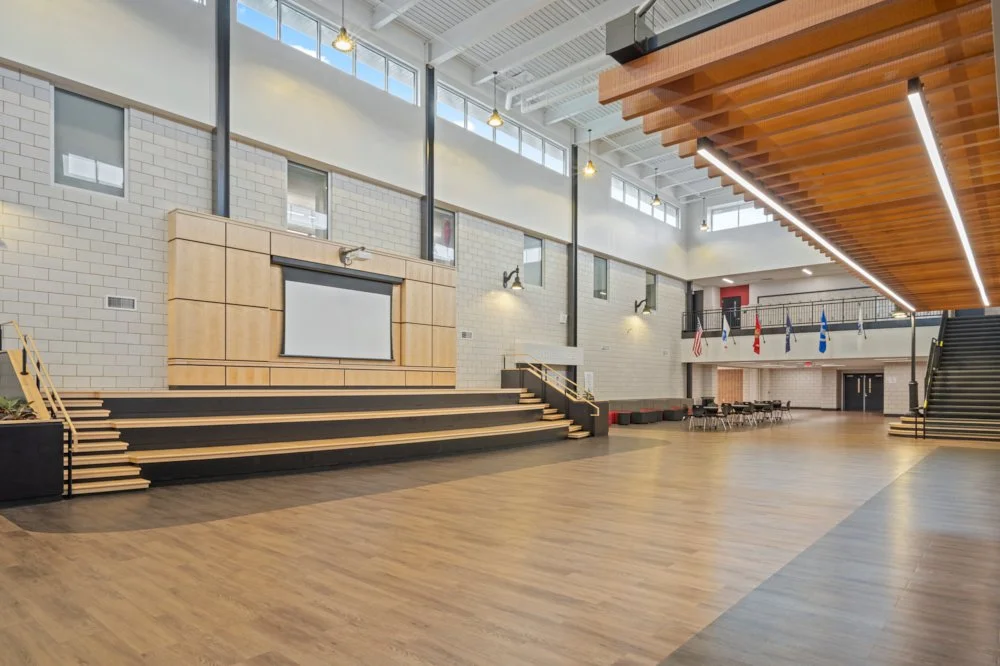
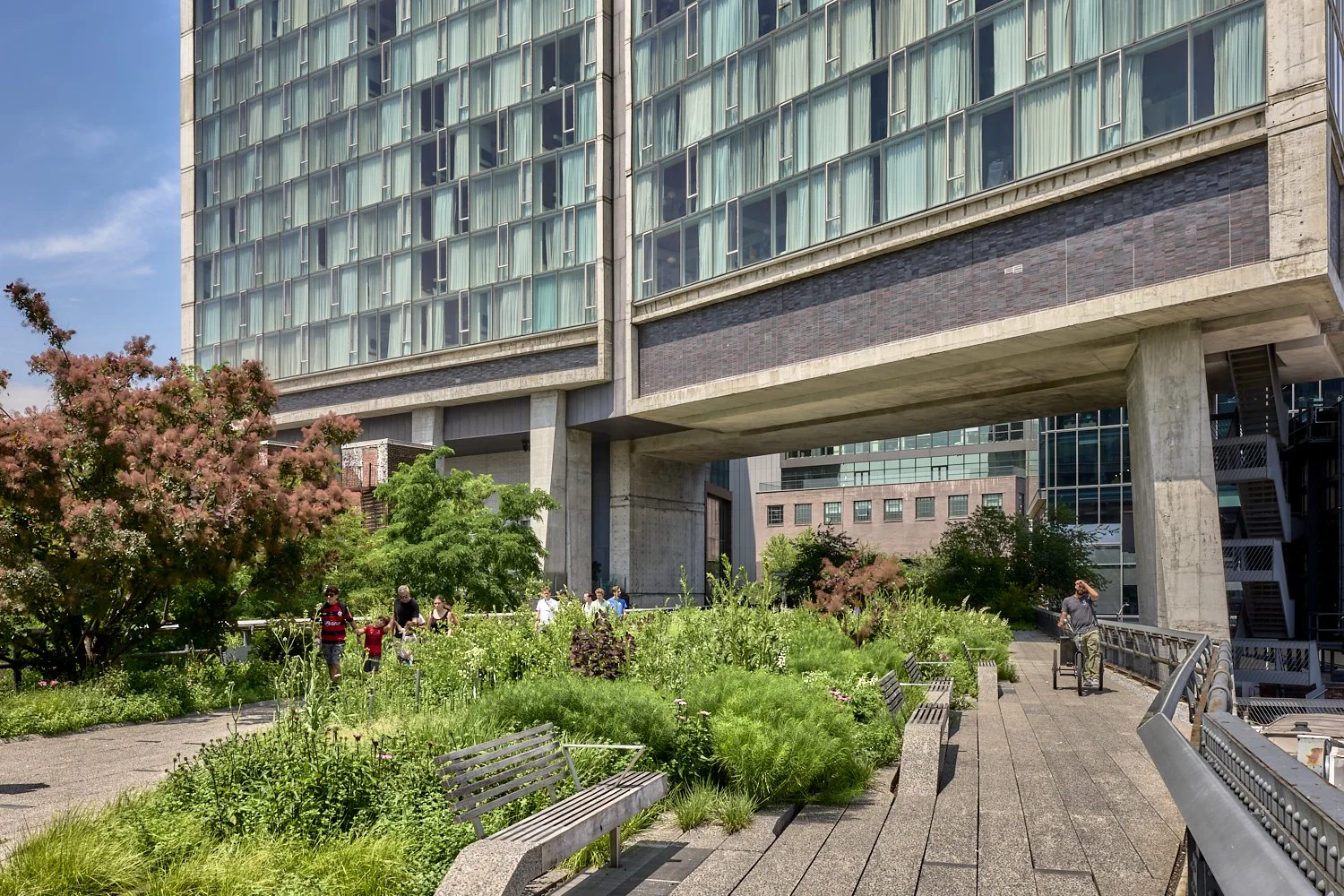
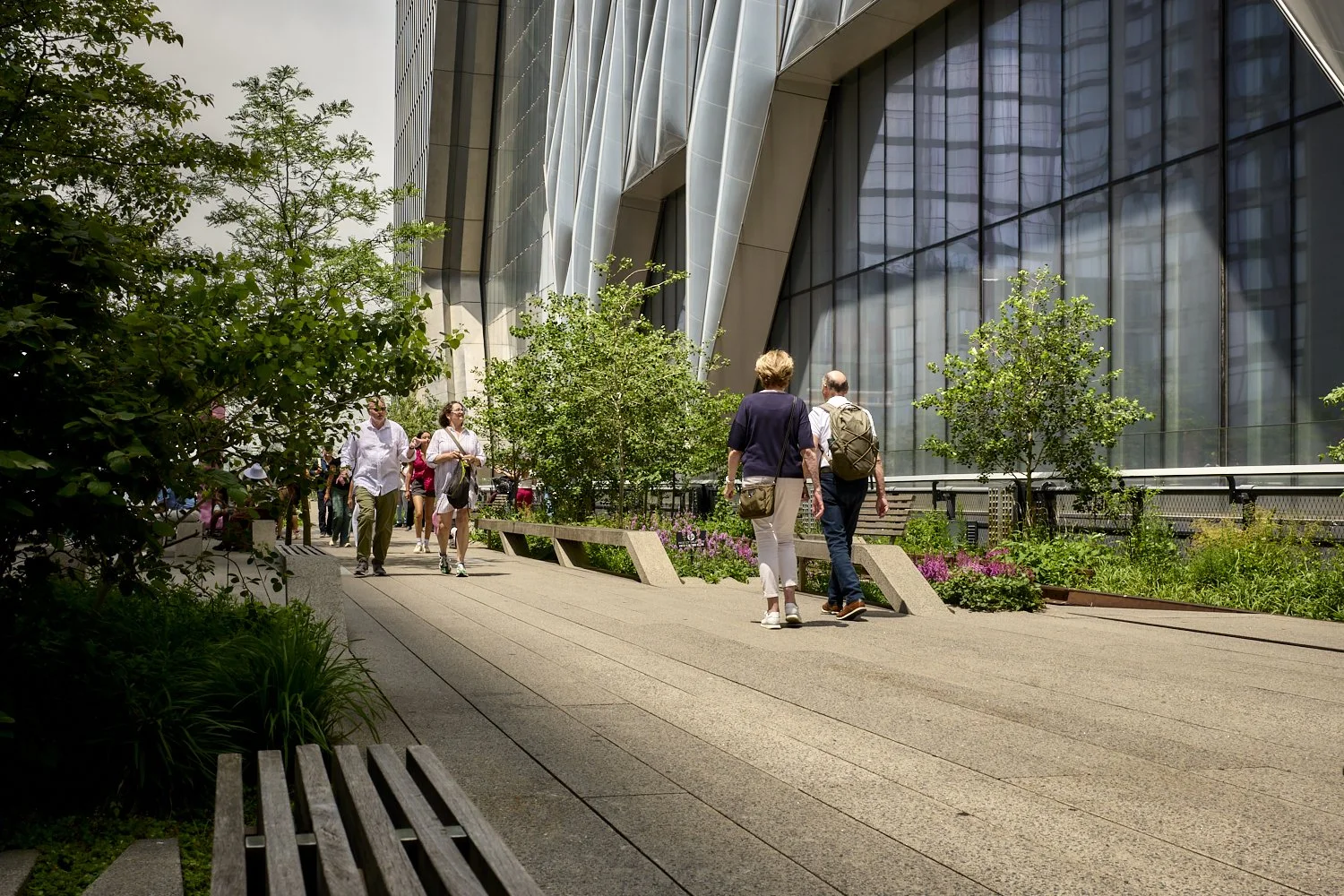
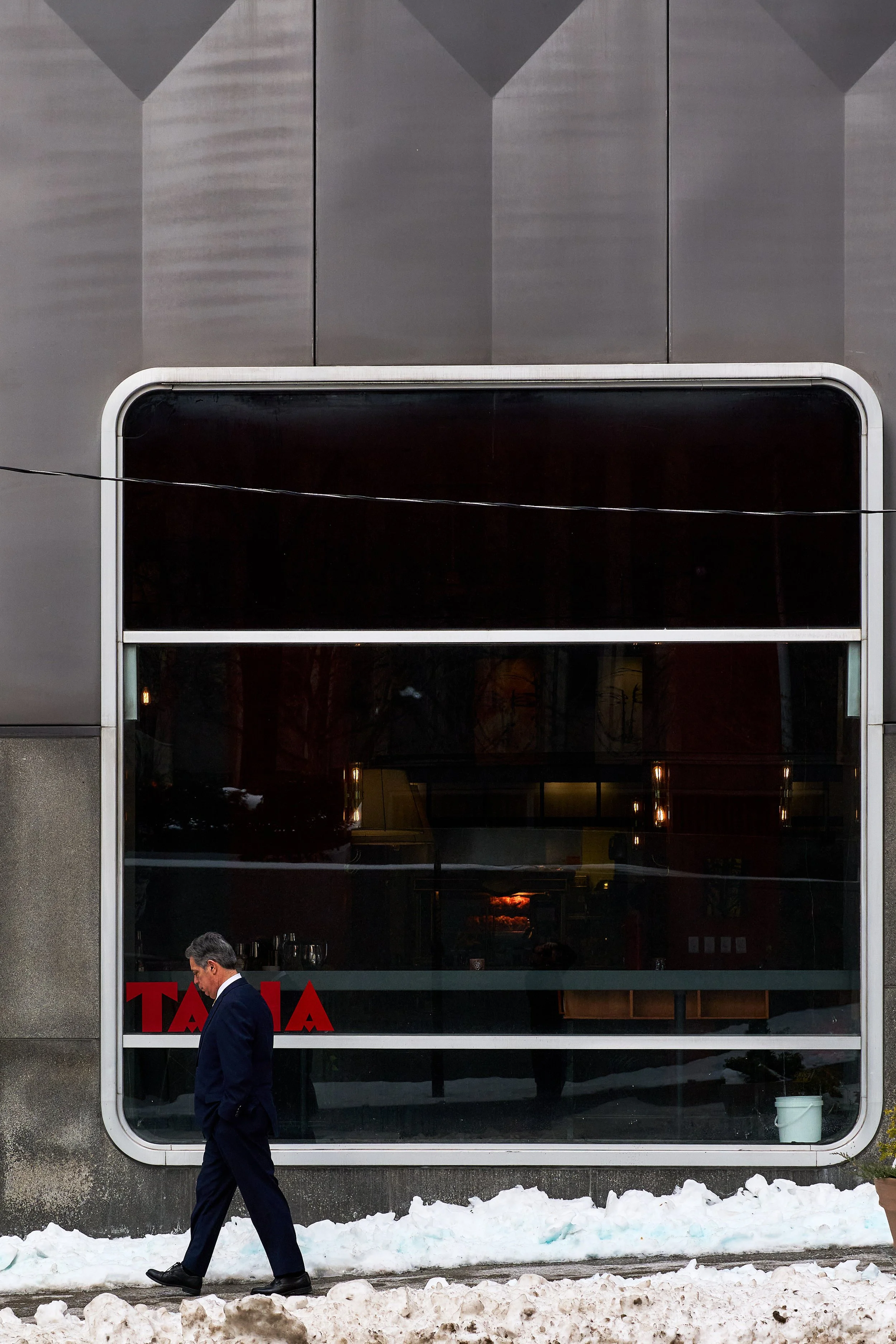
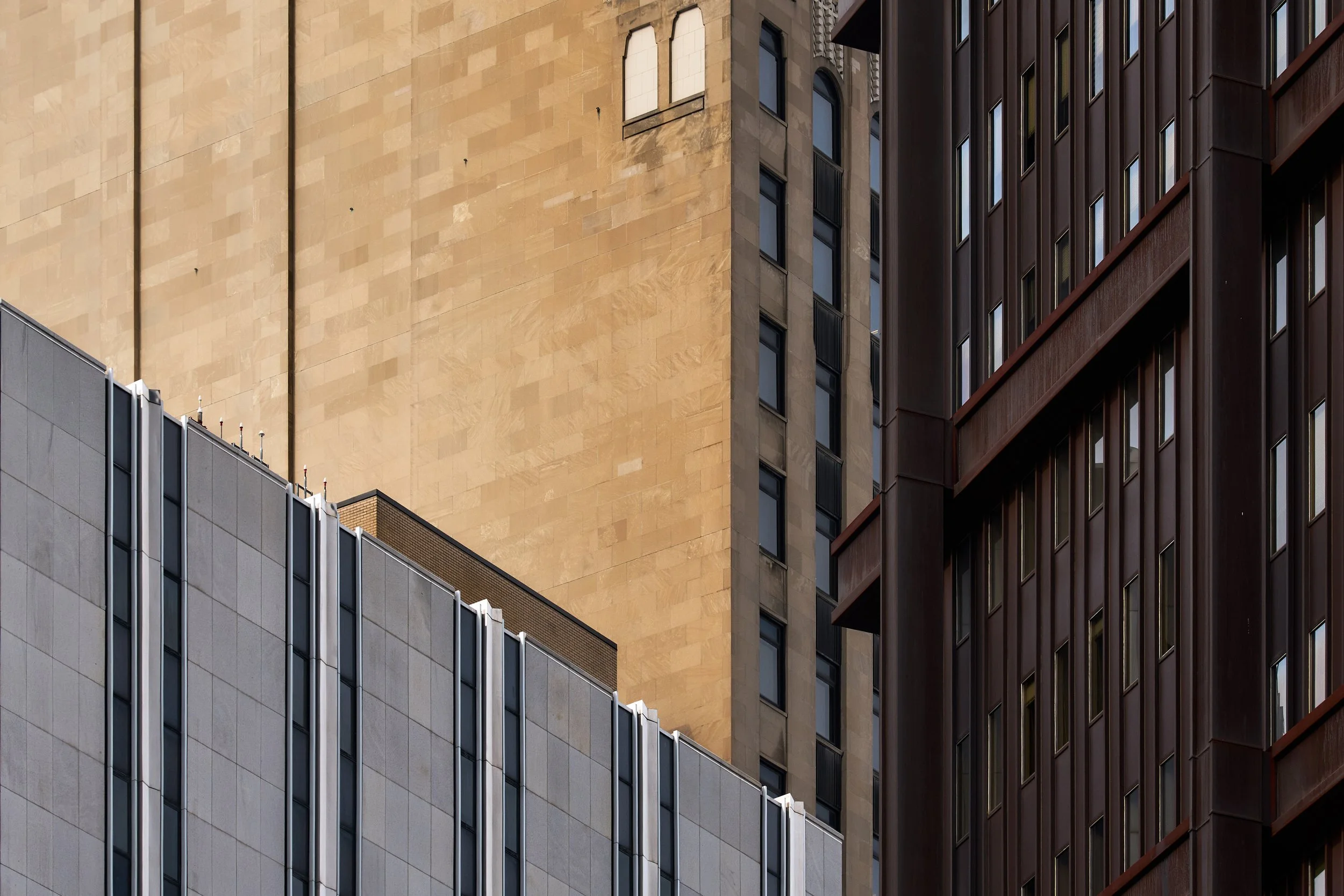
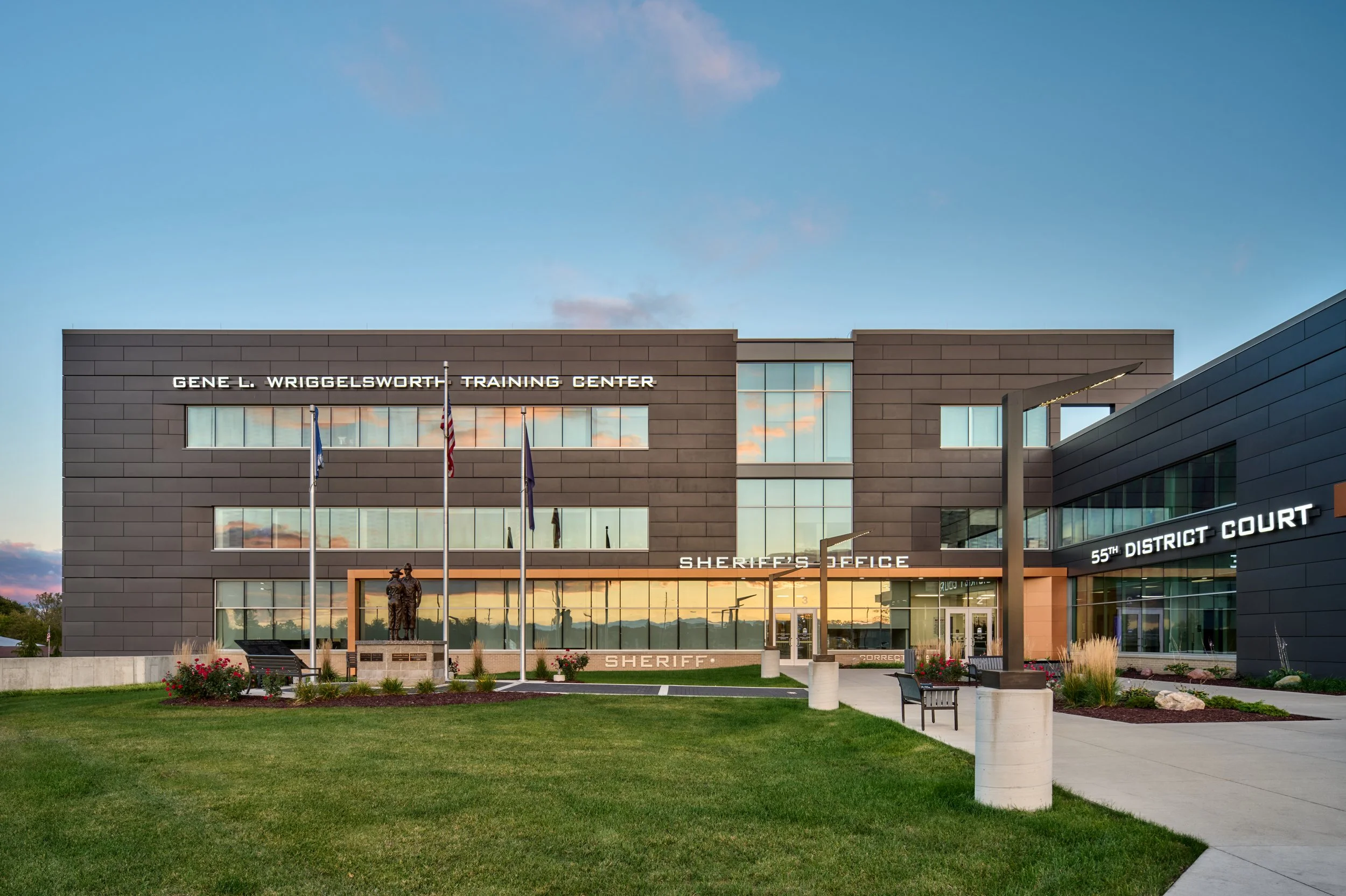
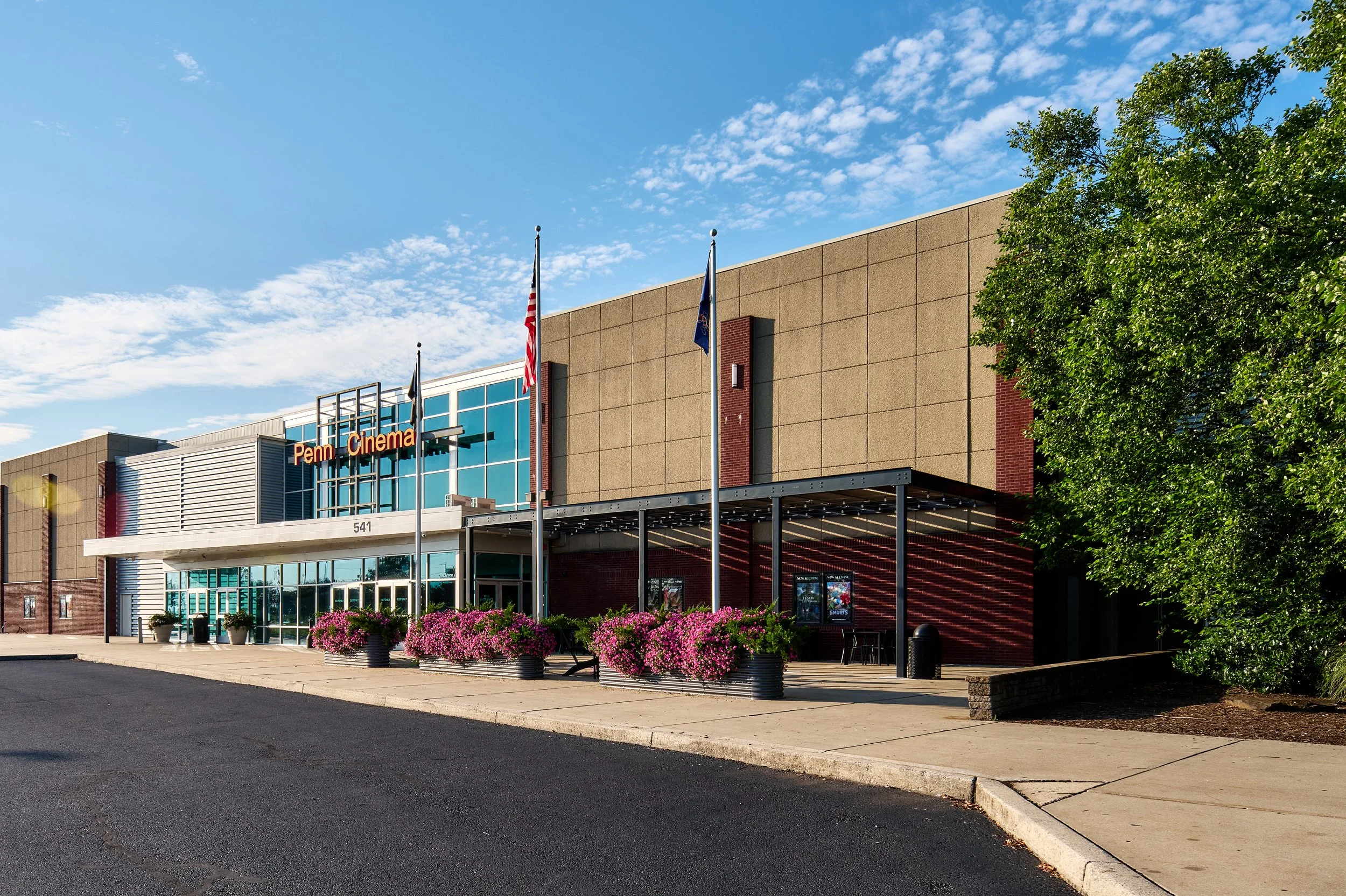
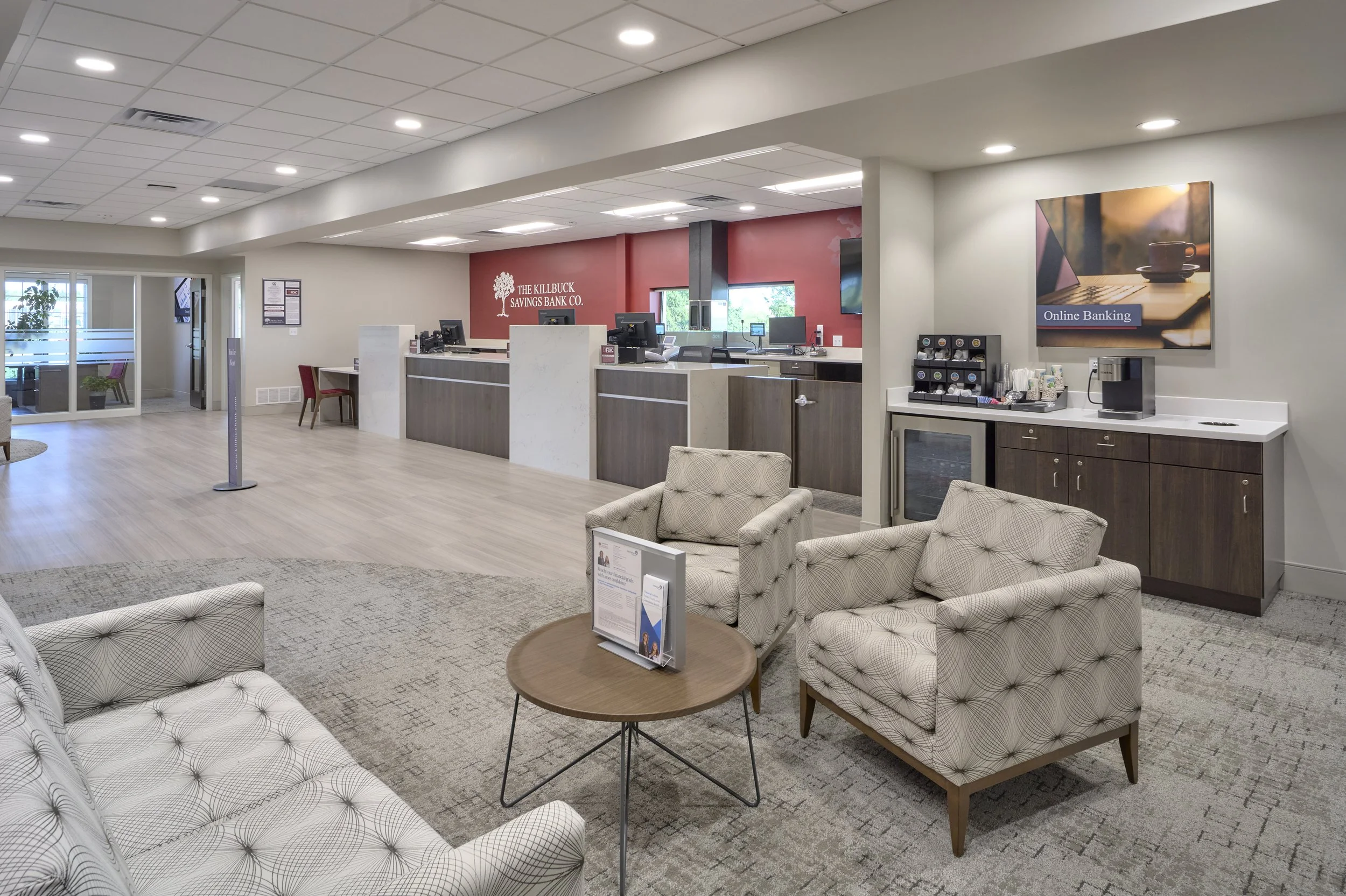
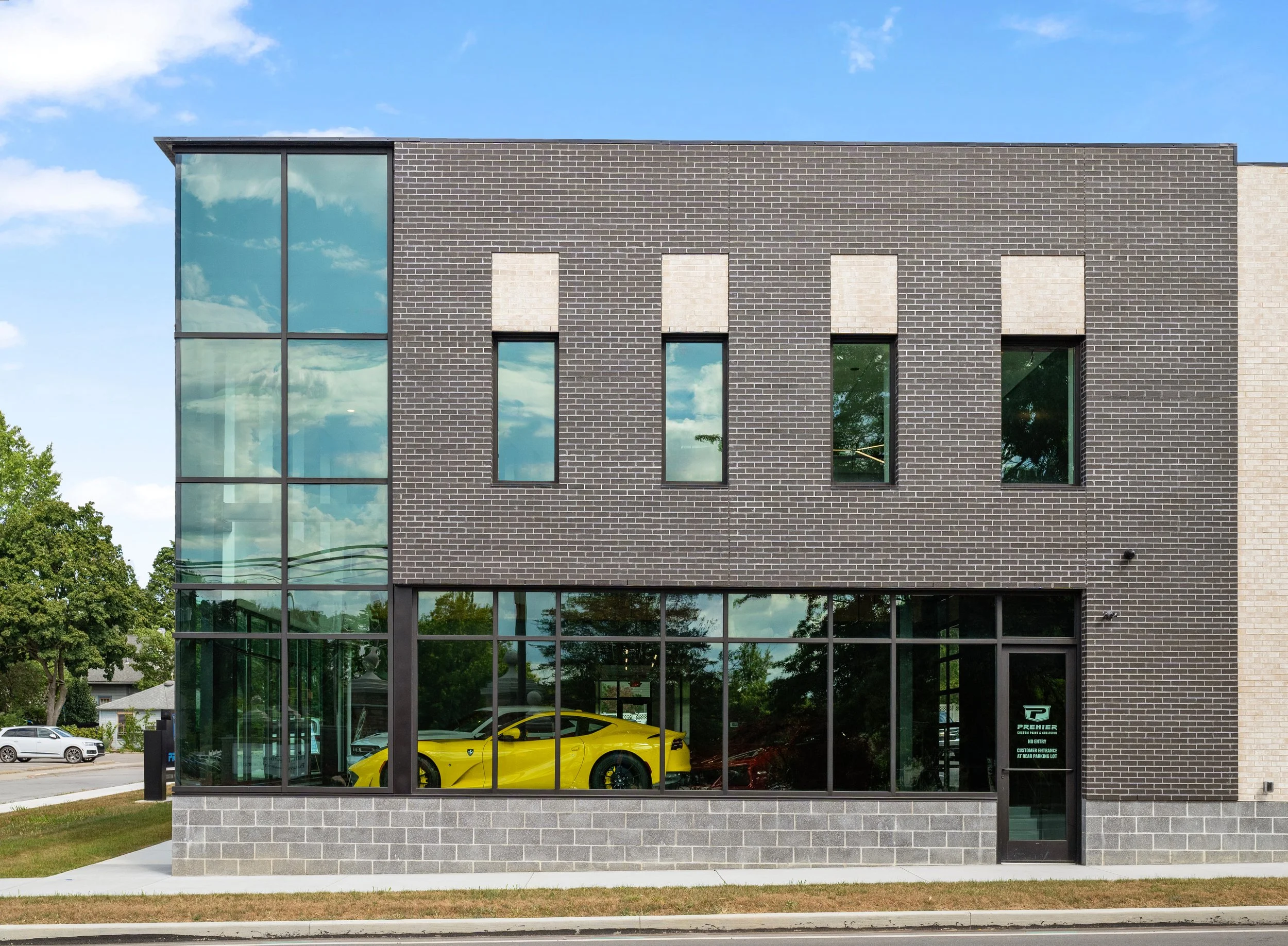
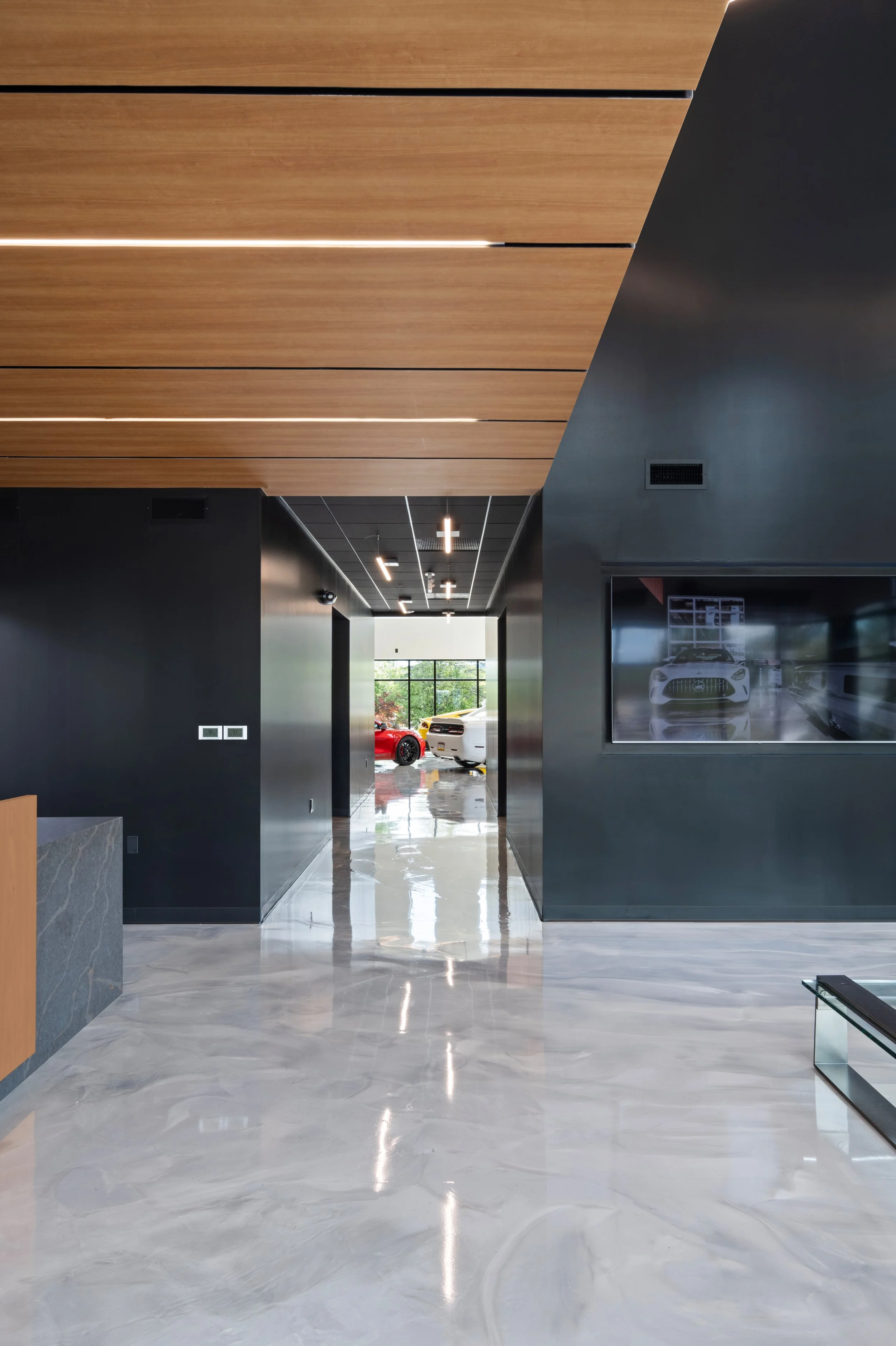
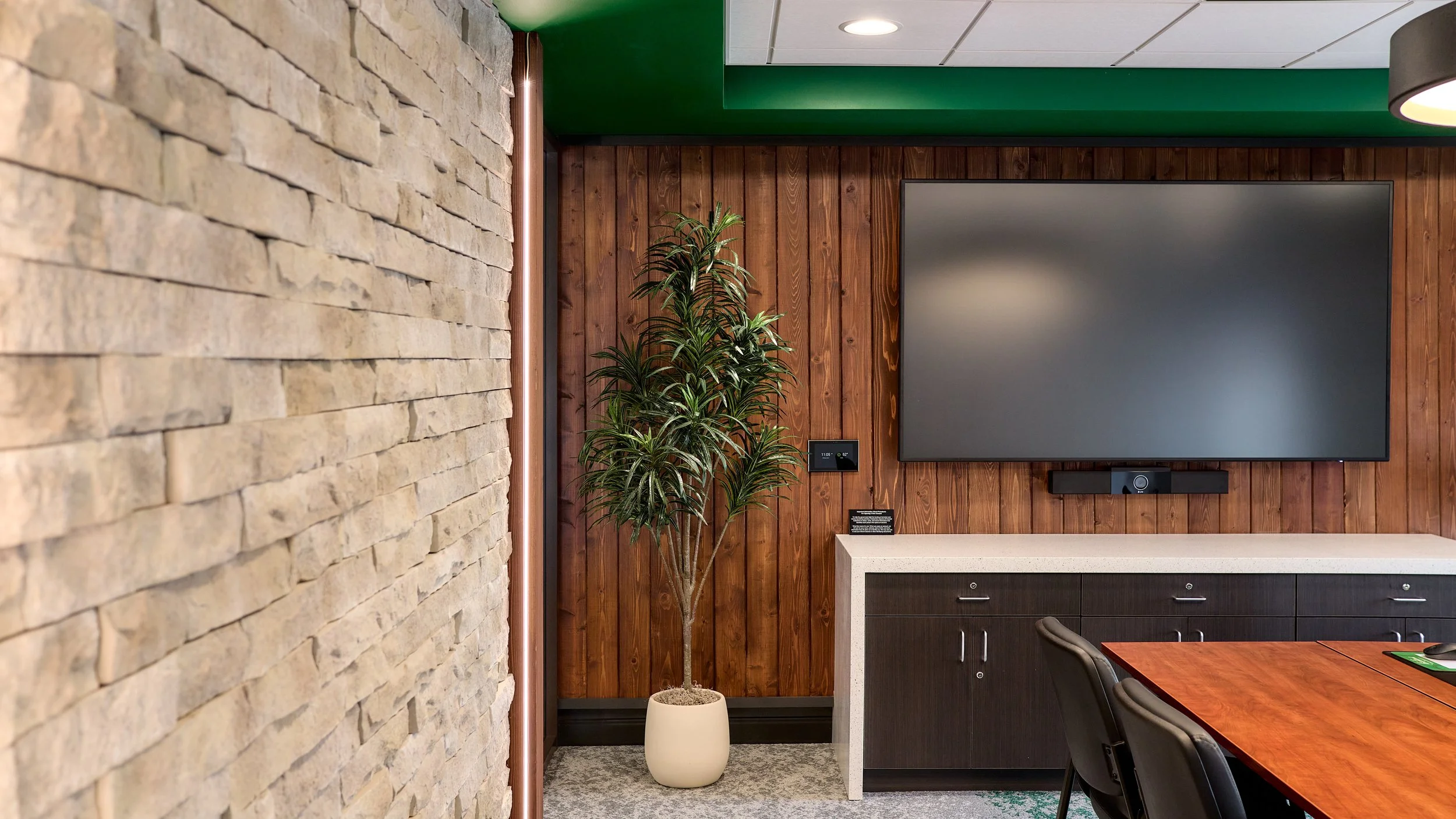
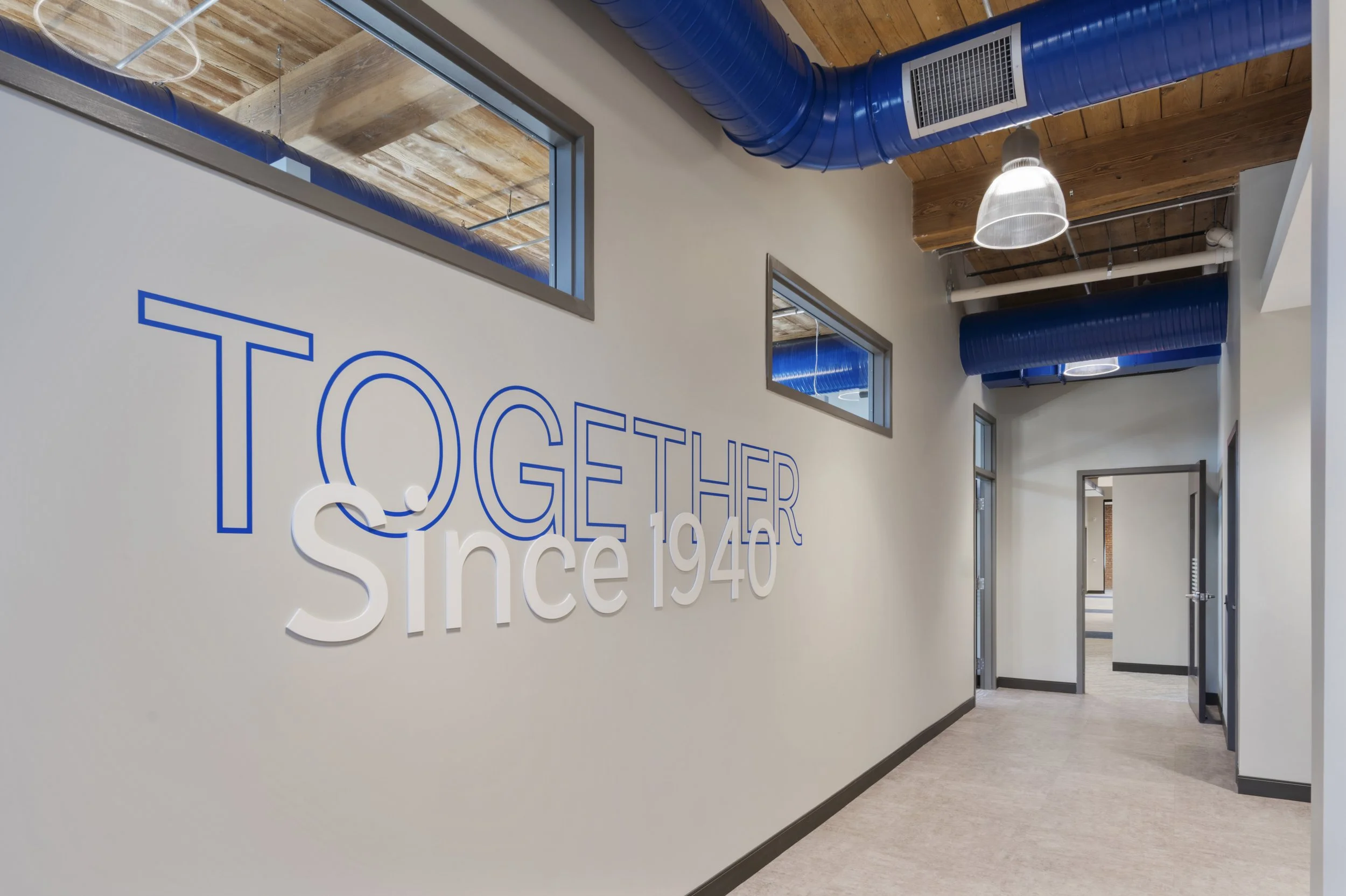
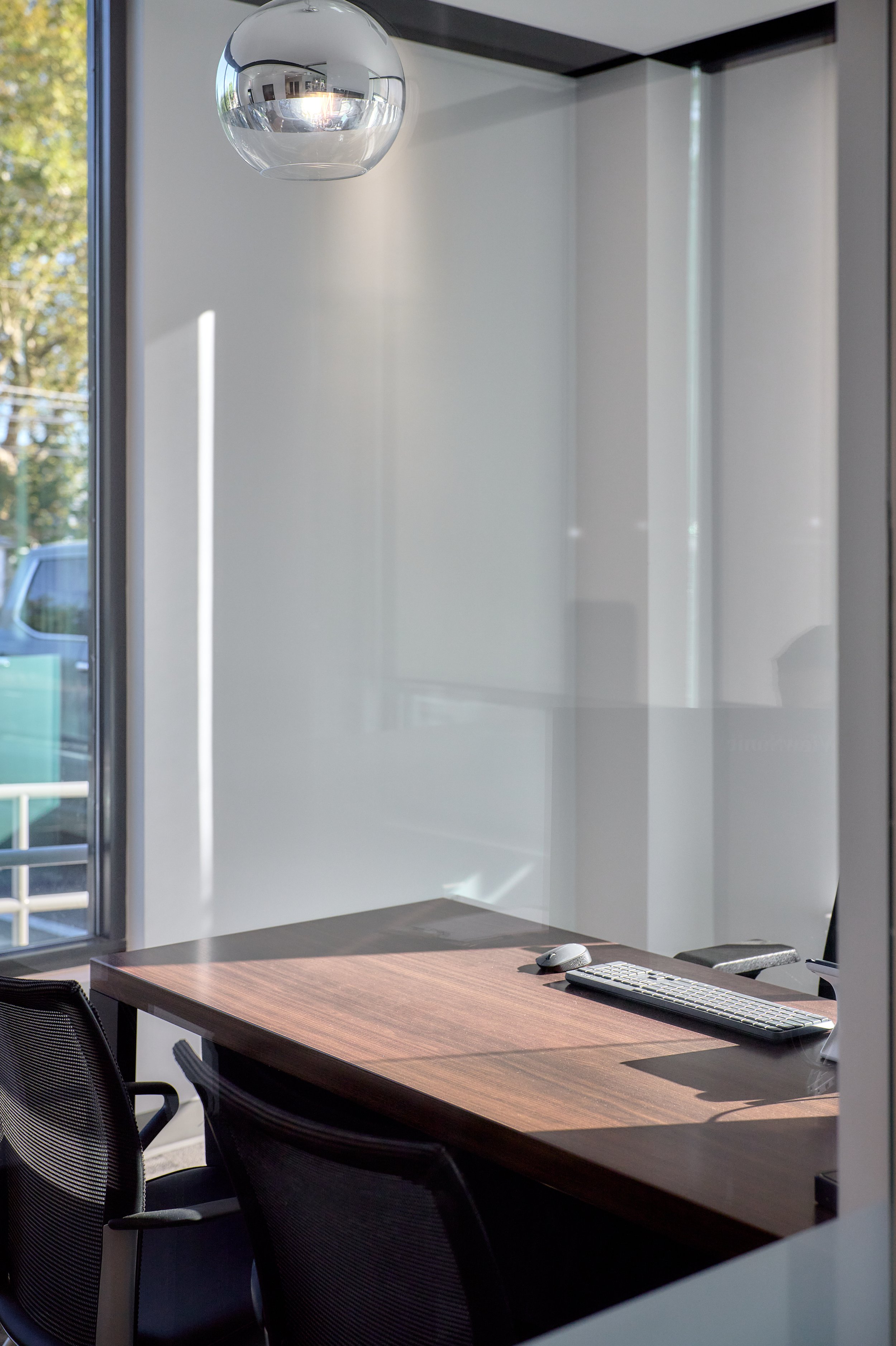
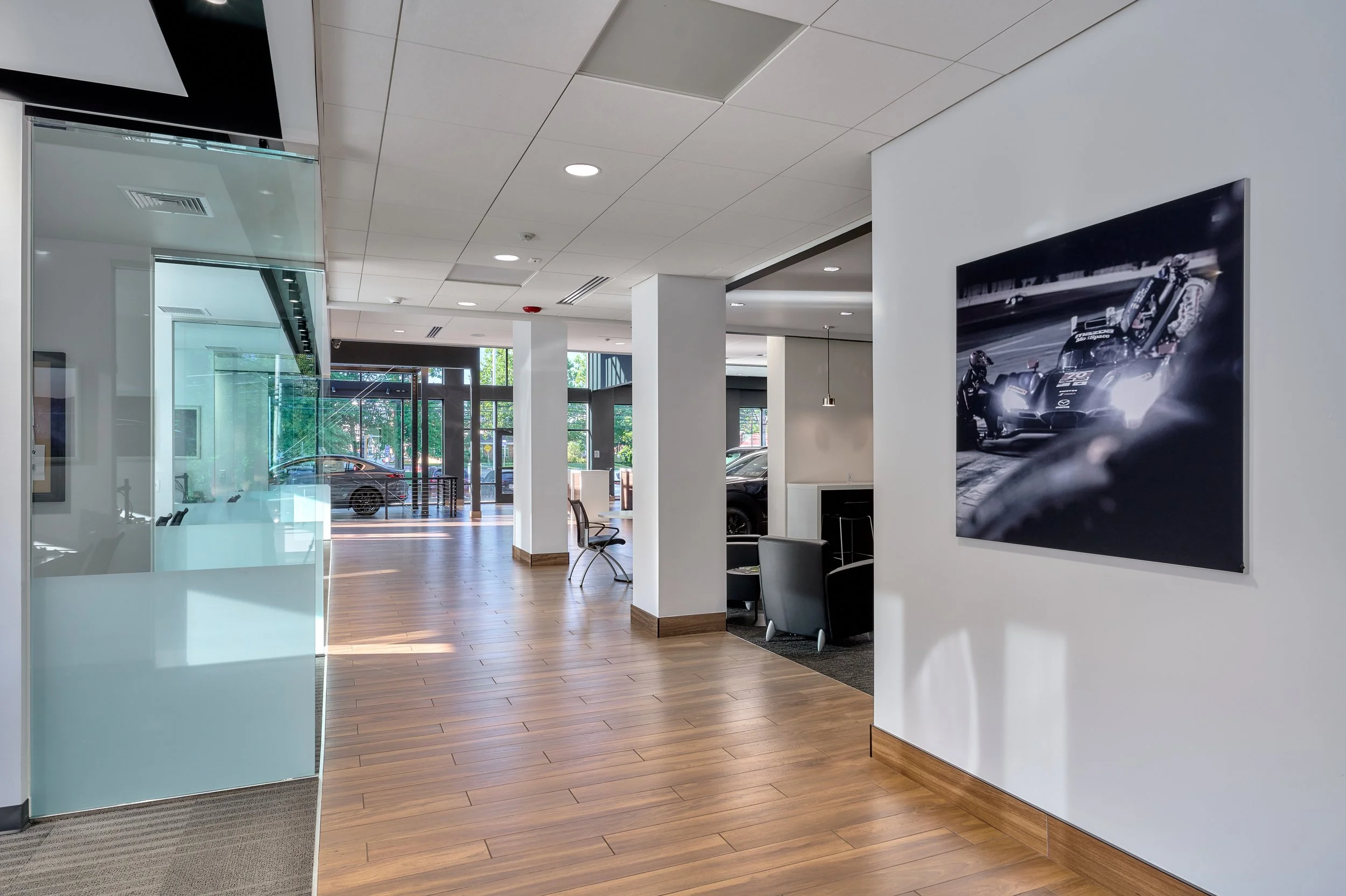
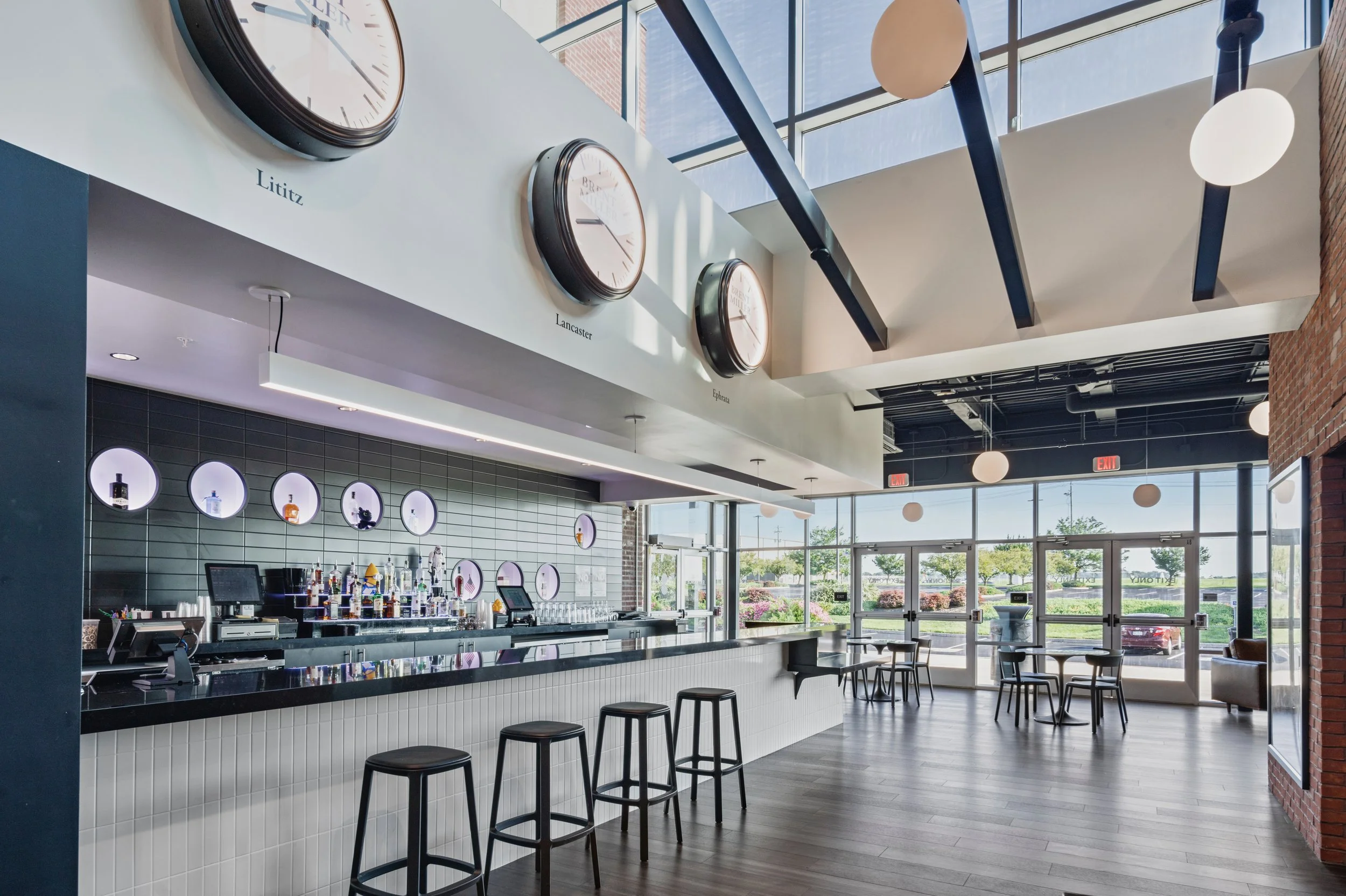
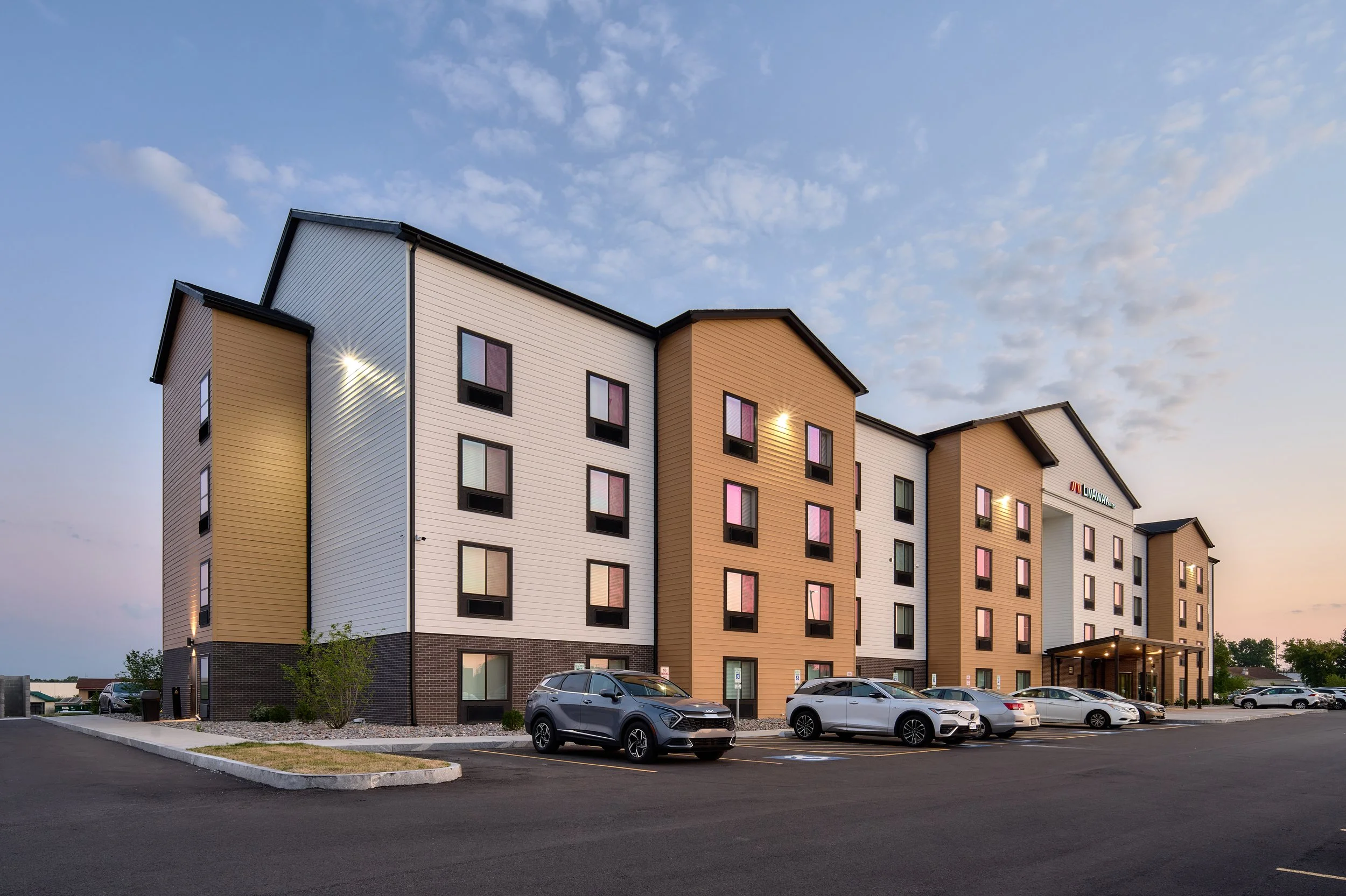
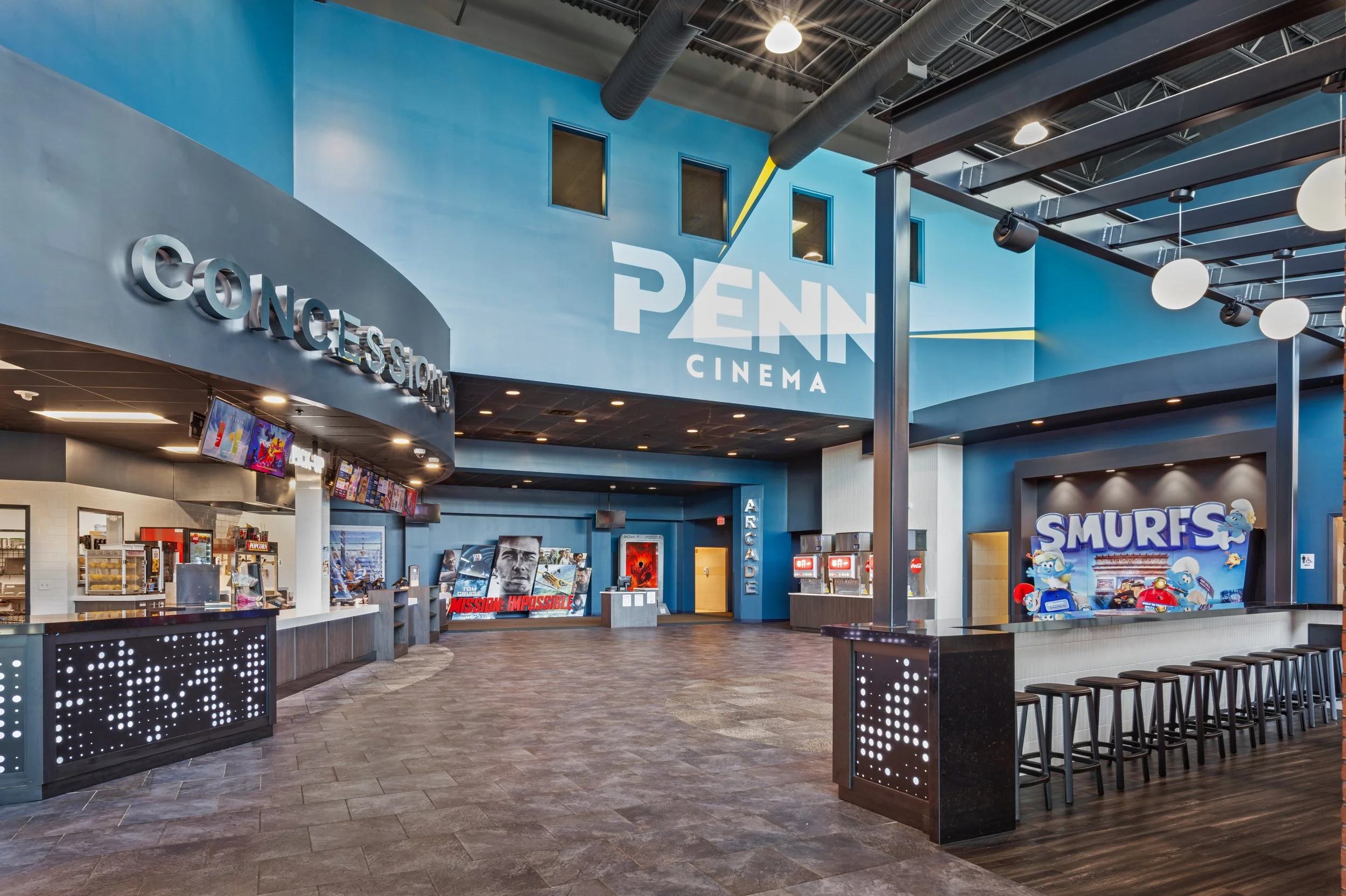
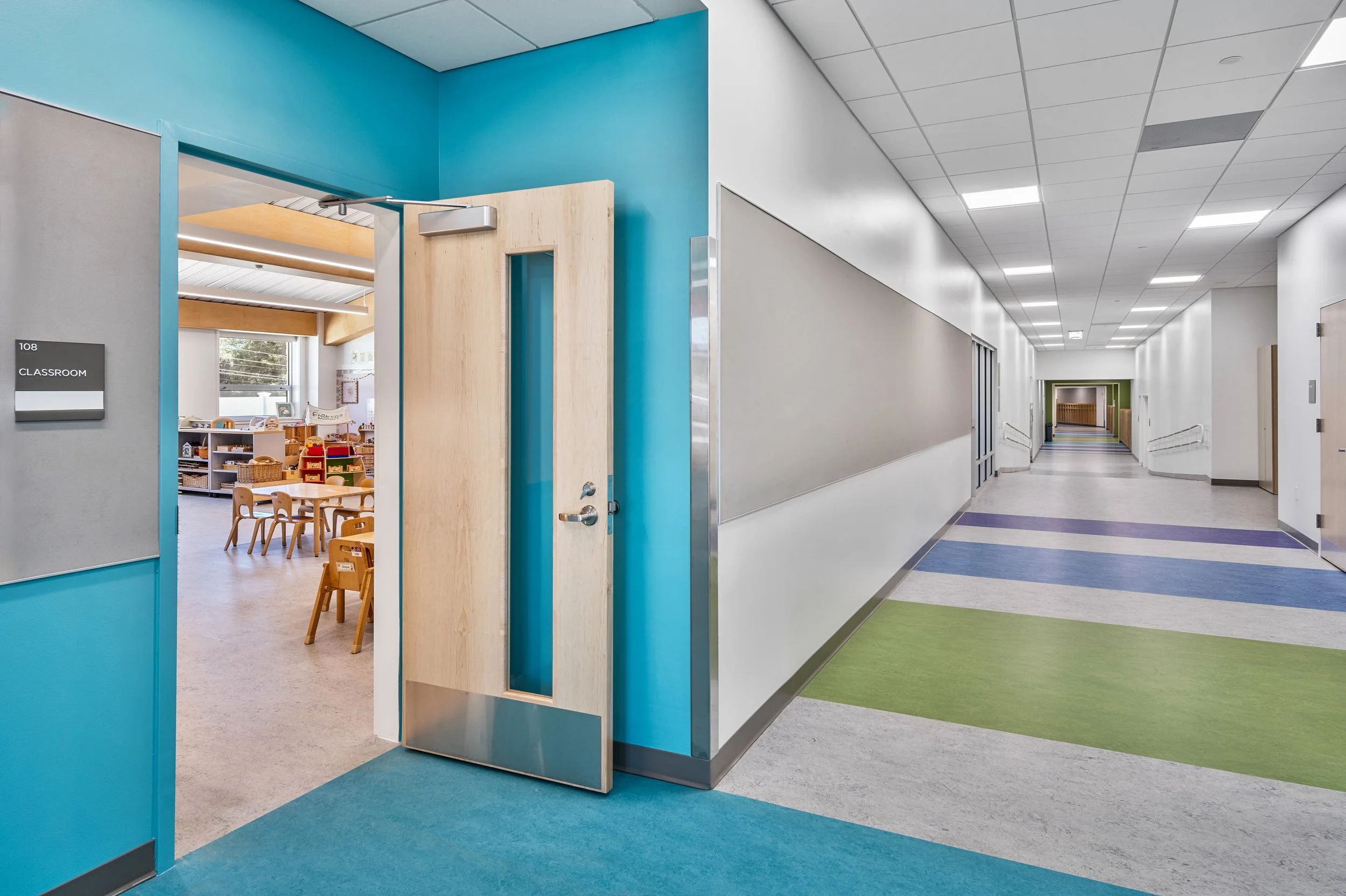
And somewhere along the way, about 7 years ago, and more than 20 years total behind a camera, my interest shifted from people to spaces. Architecture and interiors just made sense to me, the same eye, light and timing, different subject.
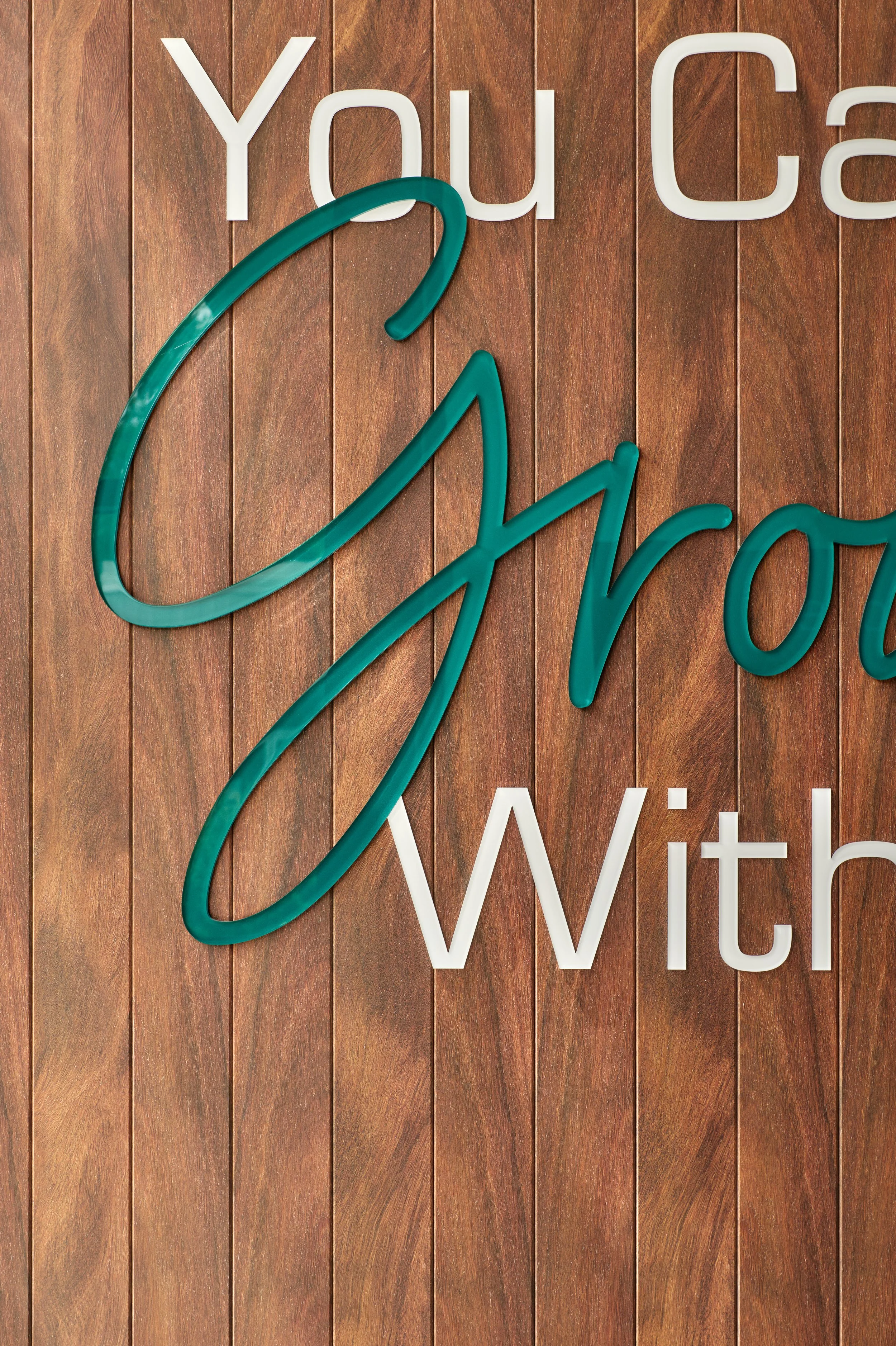
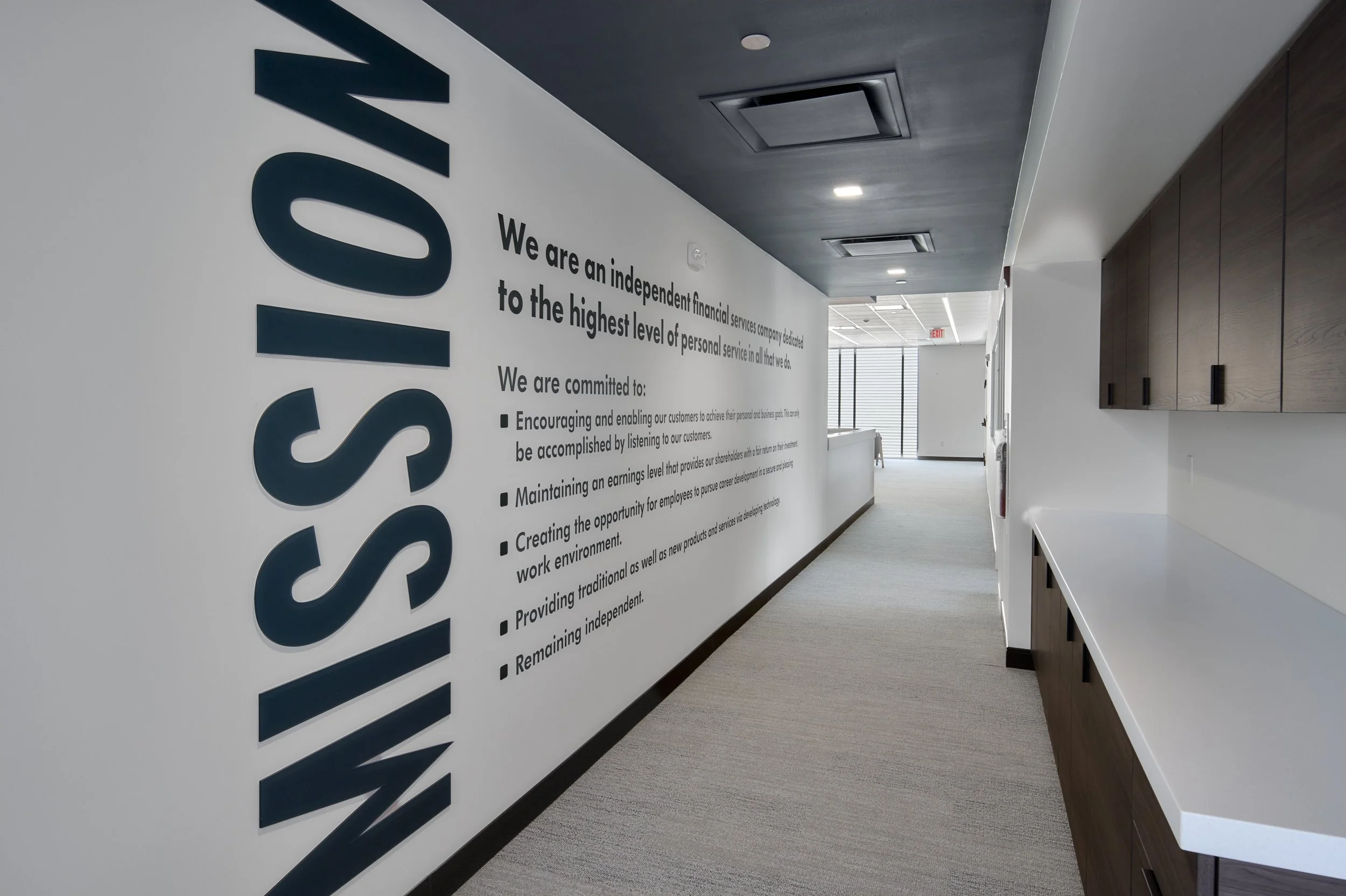
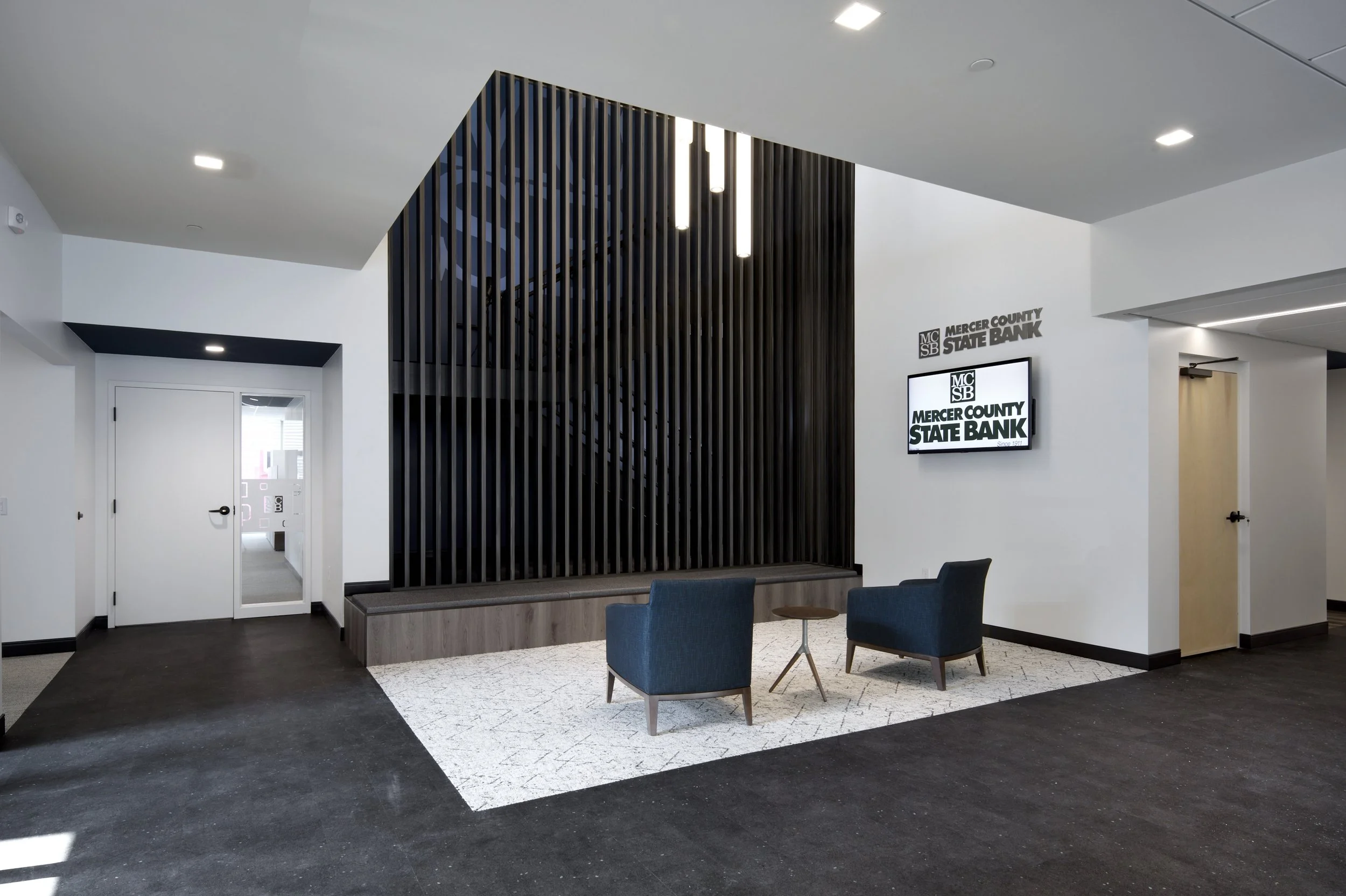
So these days it's architecture and interiors that hold most of my attention, though construction and mechanical work still come up regularly. The work I've done has picked up some award recognition along the way, which I'm proud of, but as a student of the craft, I'll never be fully satisfied. I'll always keep trying to make work that speaks past the noise of today and carries a project forward through time.
The goal was to move to Chicago, start work, and get going… but God had other plans. After finishing a career as a designer, I set my sights on taking on a "normal job" and raising a family. In that time, the itch for my first love found its way back to the surface.
When I'm not behind the camera, I'm watching soccer: the Philadelphia Union and The Arsenal. And when I'm not doing that, I'm spending time in nature, with my family, or behind a good book.
I look forward to collaborating with everyone and creating good work that speaks volumes.
Frequently Asked Questions:
Q: What areas do you serve, and what kind of projects do you photograph?
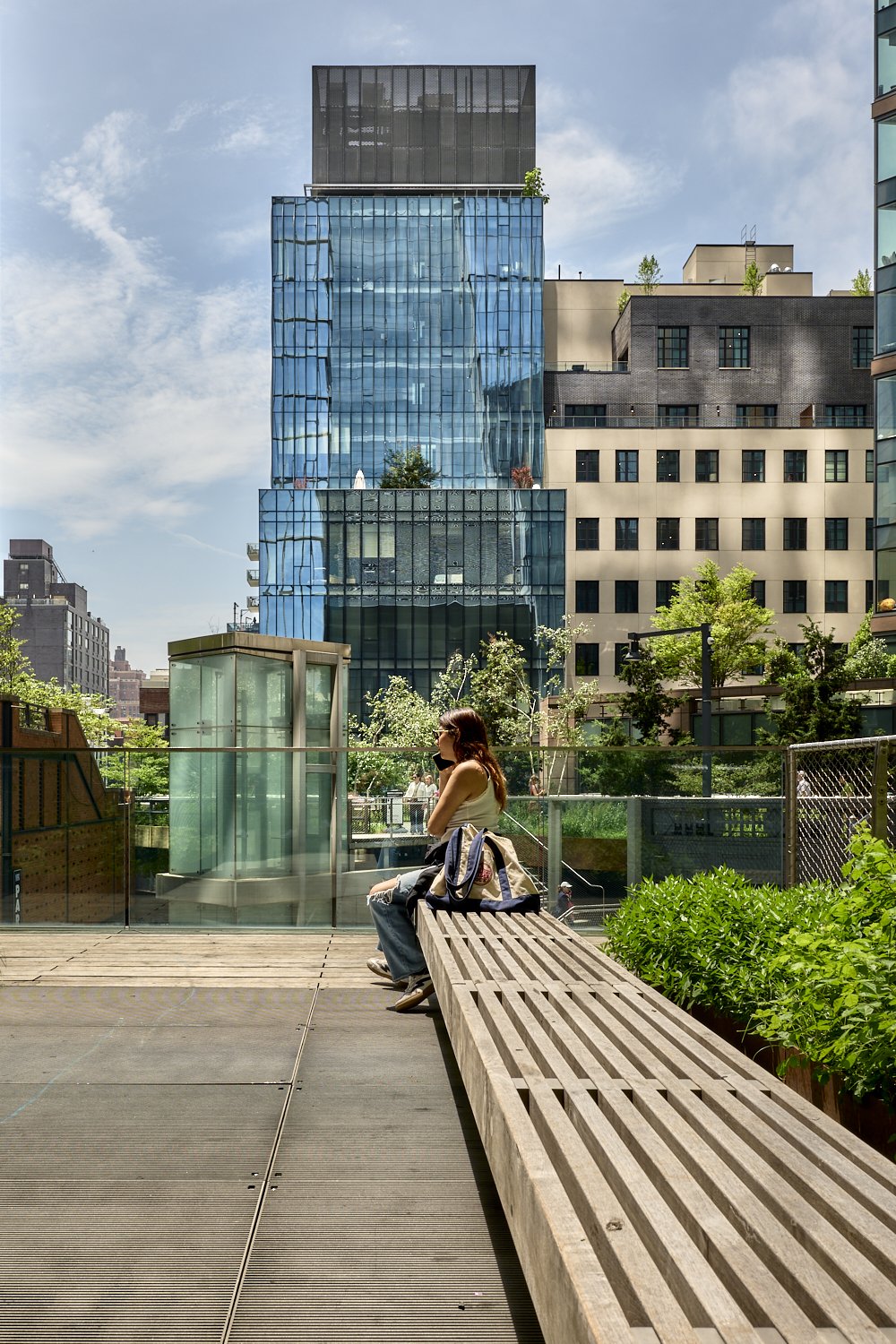
Based in Hazleton, PA, I photograph architectural, interior, and construction-focused projects throughout Pennsylvania — including Philadelphia and Pittsburgh — and travel regularly across the Mid-Atlantic, Northeast, and Eastern Midwest, including New York City. Pennsylvania and the surrounding region are my primary base of work.
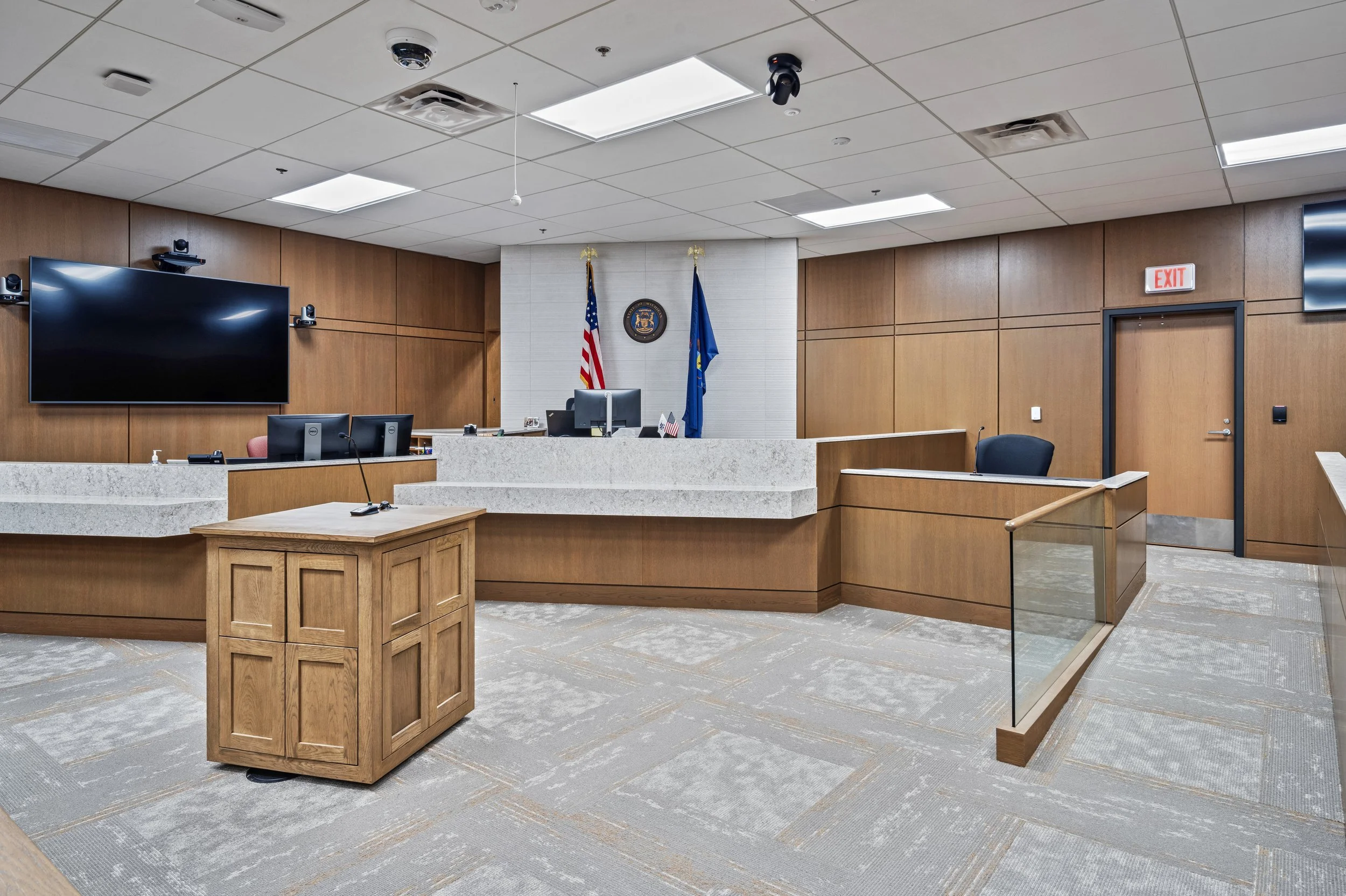
I also travel nationally for the right project — recent work has taken me as far as Virginia Beach/Norfolk, Minnesota and Michigan, and Providence, RI. If your project is outside the primary region, reach out with the location and scope and we can talk through timeline and travel logistics.
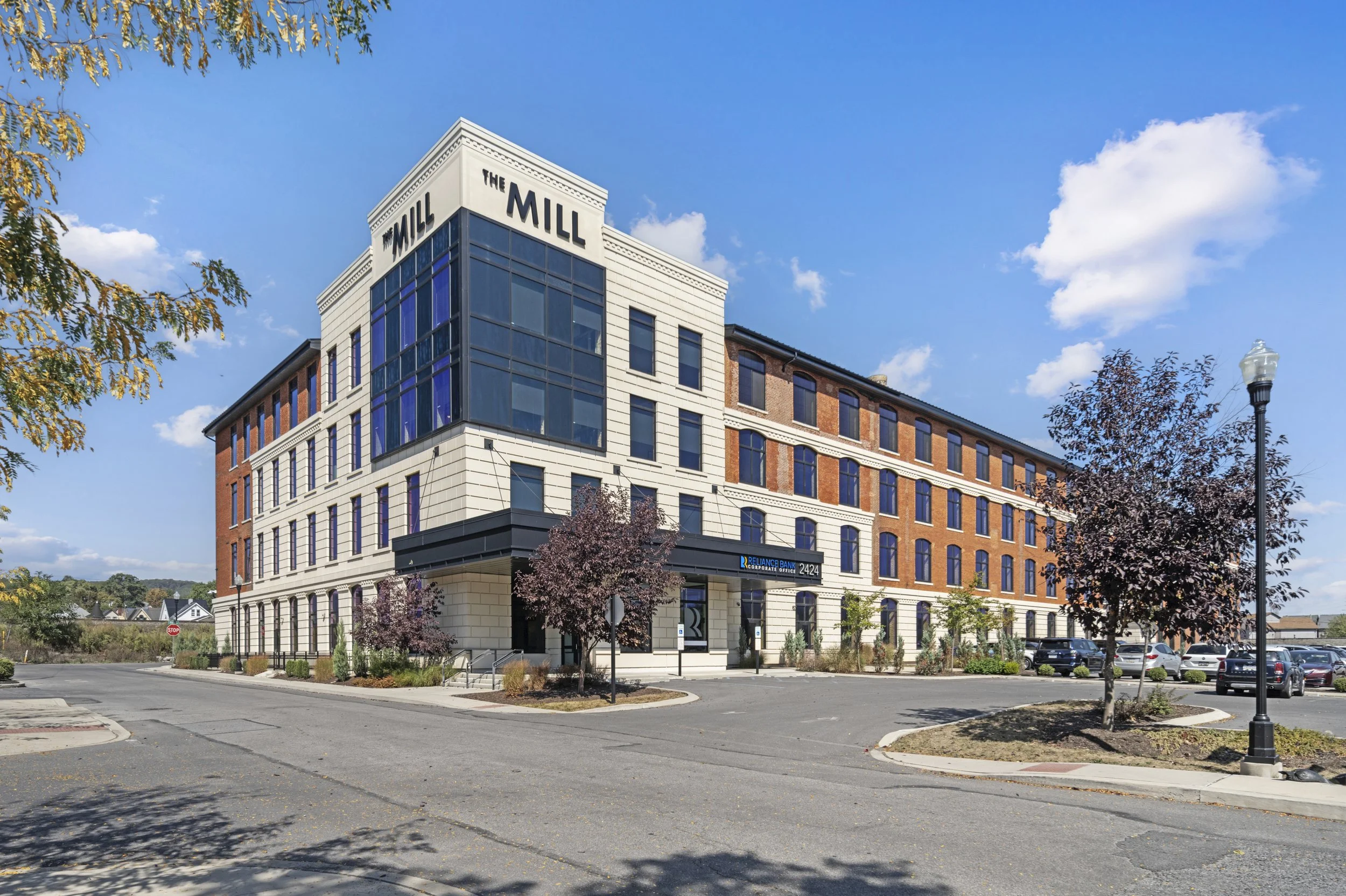
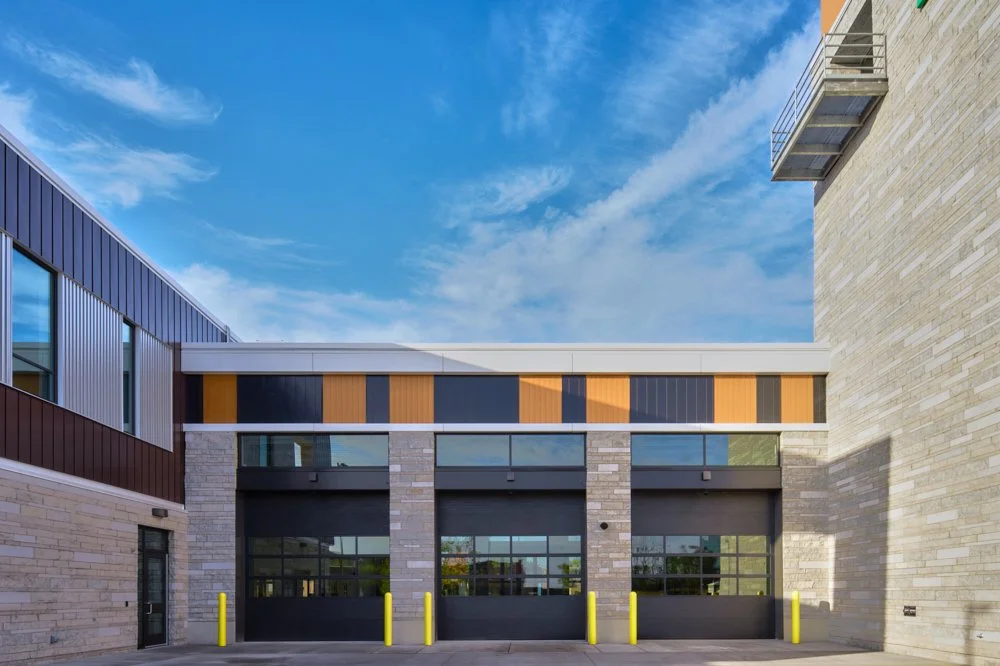
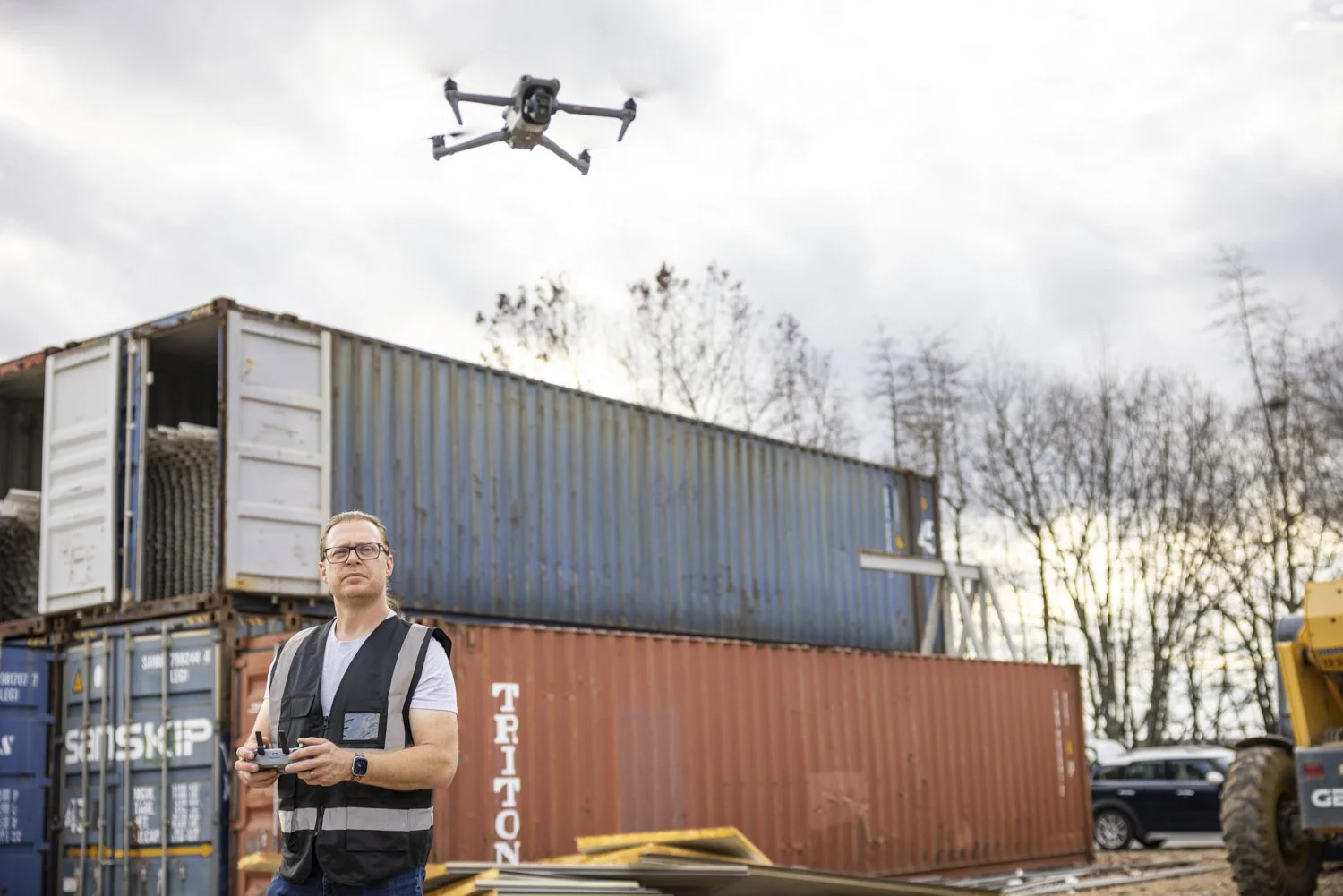
I work with architects, designers, commercial business owners, engineers, and construction and contracting professionals, documenting both interiors and building exteriors — from historic renovations to new commercial construction to finished interior spaces. Drone/aerial coverage and twilight photography are both available as part of a shoot when a project calls for them.
Q: What should I budget for architectural or commercial photography?
My work is primarily commercial, and pricing is based on a per-image fee plus usage — not a single flat day rate. As a general guide:
Small projects — little to no complexity, a handful of finished images: rates start around $1,250.
Medium projects — larger scope, a fuller set of finished images: rates start around $2,250.
Large-scale projects — multiple spaces, more moving parts, shoots spanning multiple days: rates start around $4,000.
Travel and other associated fees are added as needed depending on location and shoot logistics. A few other things factor into the final cost within each tier — timeline (a tight completion or award deadline vs. flexible scheduling), whether the shoot involves drone or twilight photography, and the usage rights you need. For projects with more than one interested party — an architect, contractor, and product manufacturer all wanting to use the same images, for example — cost-sharing arrangements are also an option worth discussing. Tell me the property type and rough scope, and I can tell you which tier fits and put together a specific estimate.
Q: How many final images do I get?
This varies with the scope of the project, but as a reference point: a small project at the starting rate typically delivers around 10 finished images.
Larger and more complex projects scale up from there — more spaces, more angles, and more finished images to match. We'll set an expected image count as part of the estimate, so there's no ambiguity going into the shoot.
Q: What makes your approach different from other architectural photographers in the region?
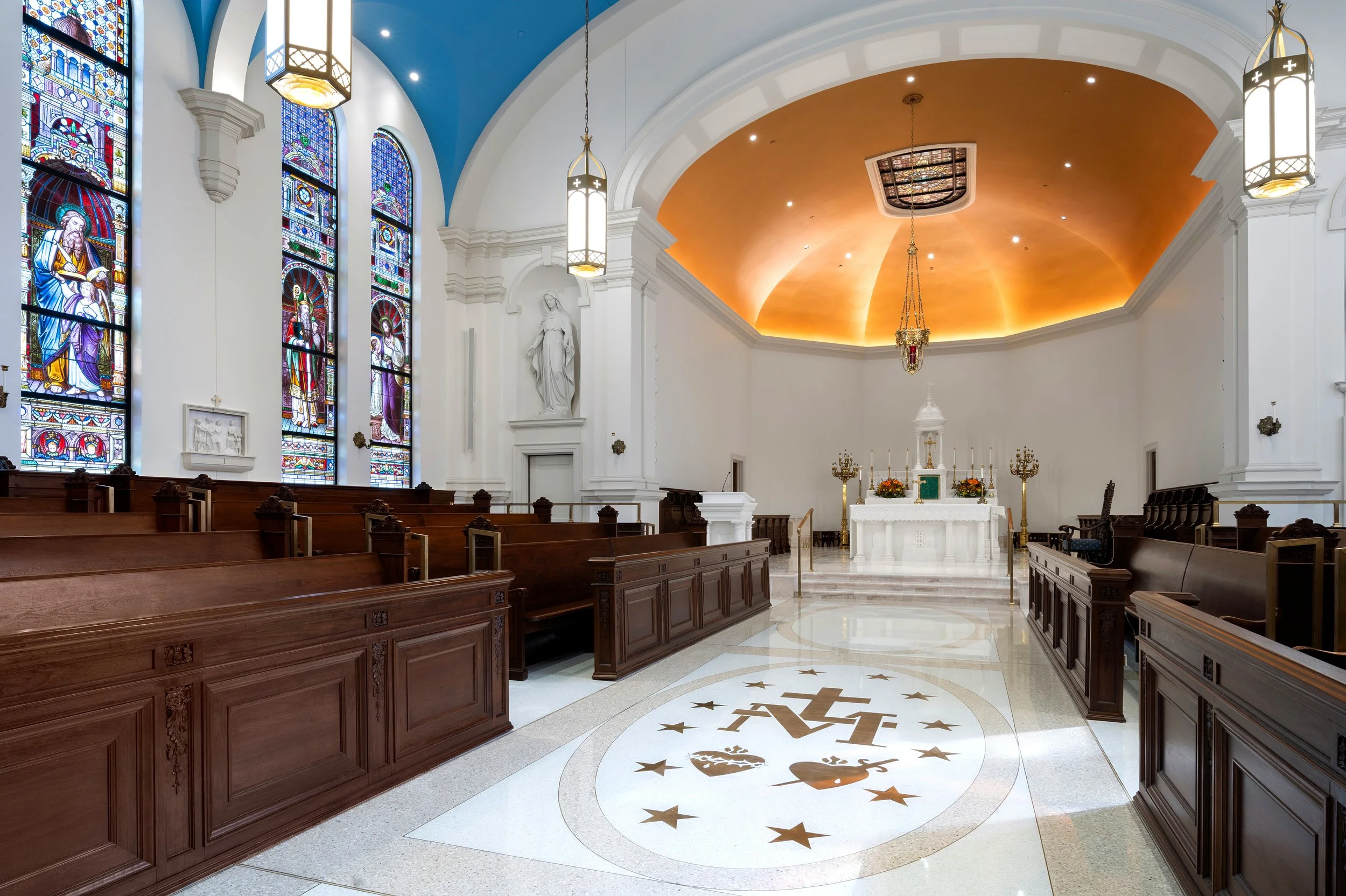
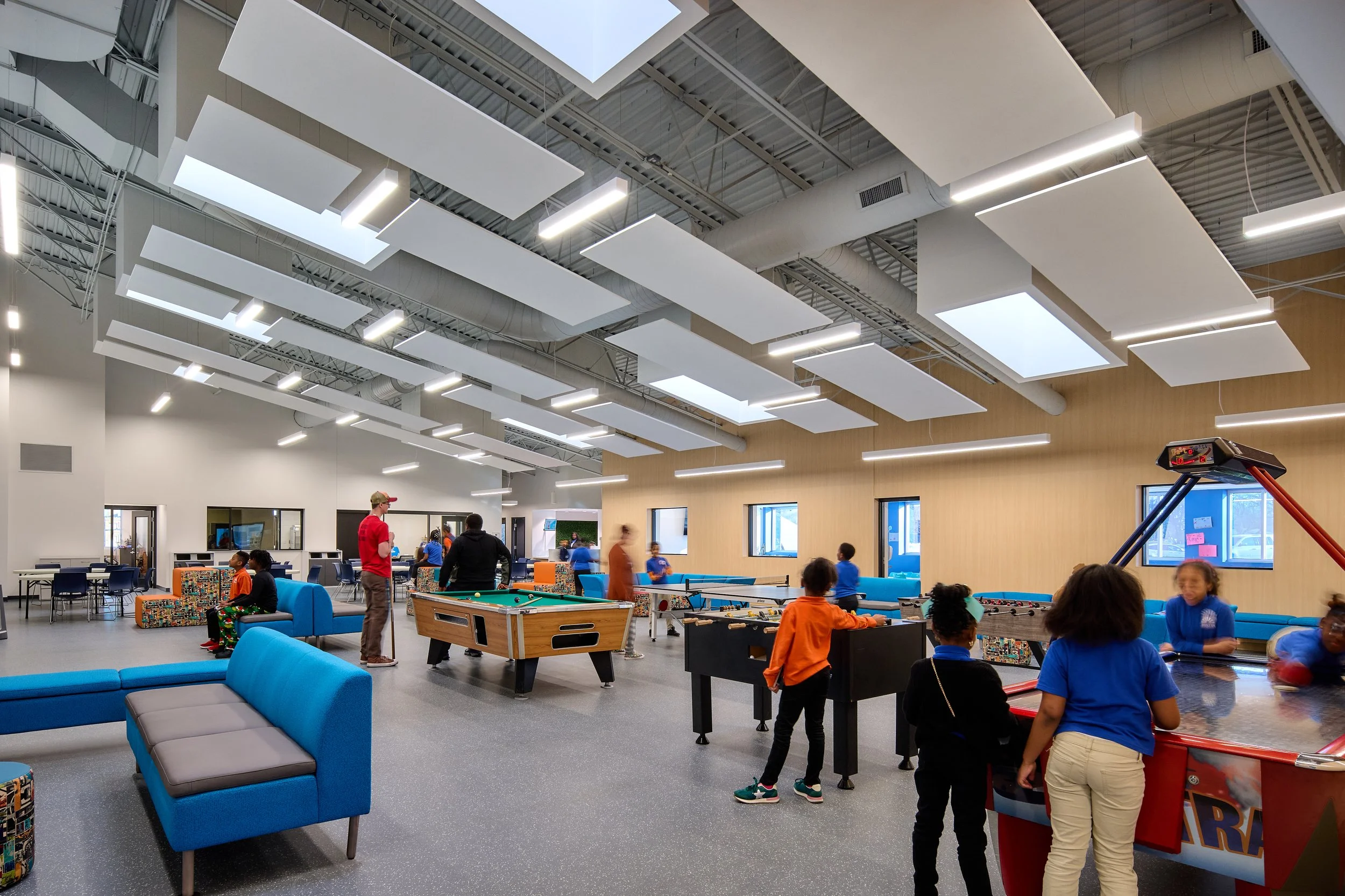
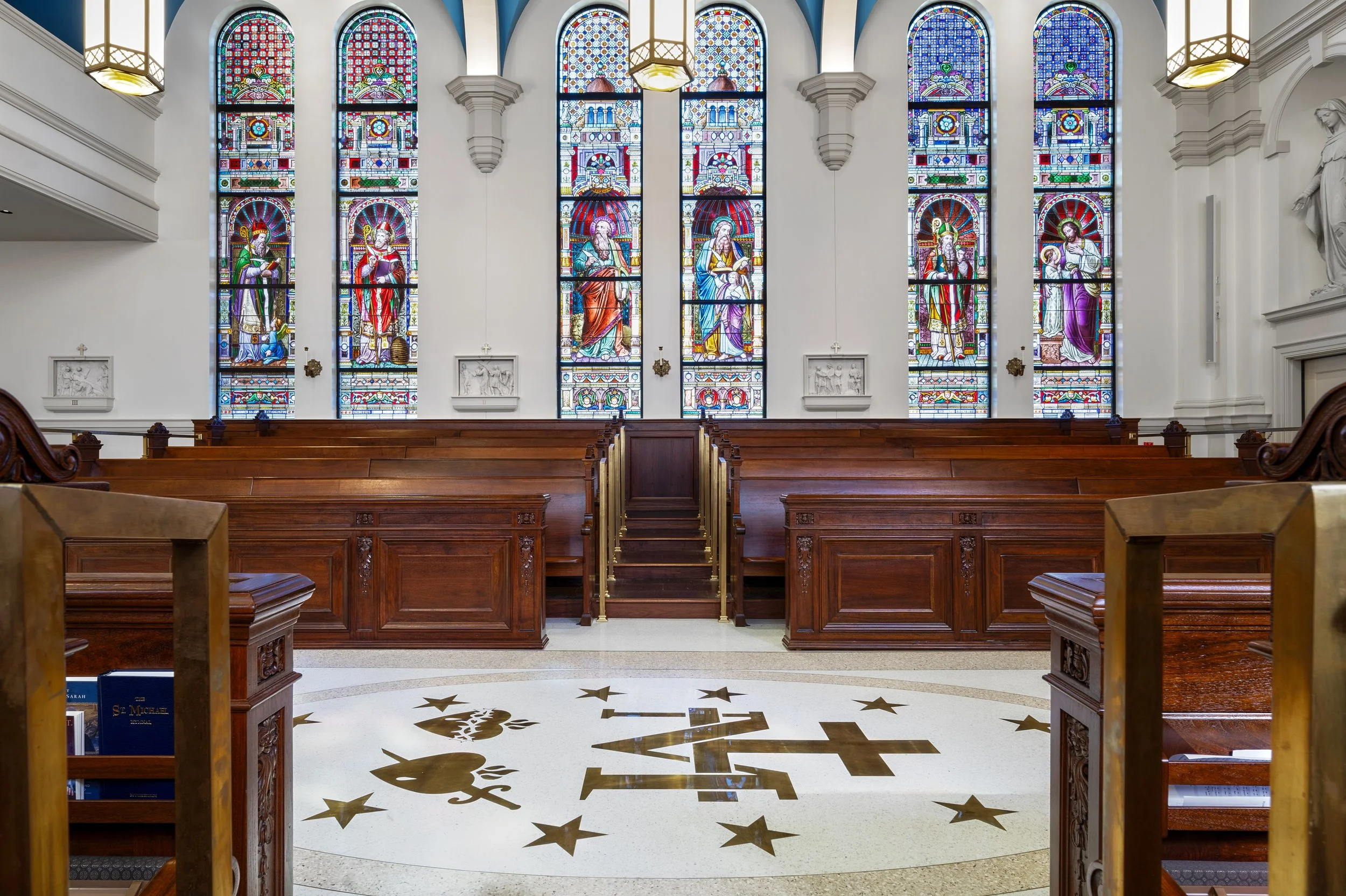
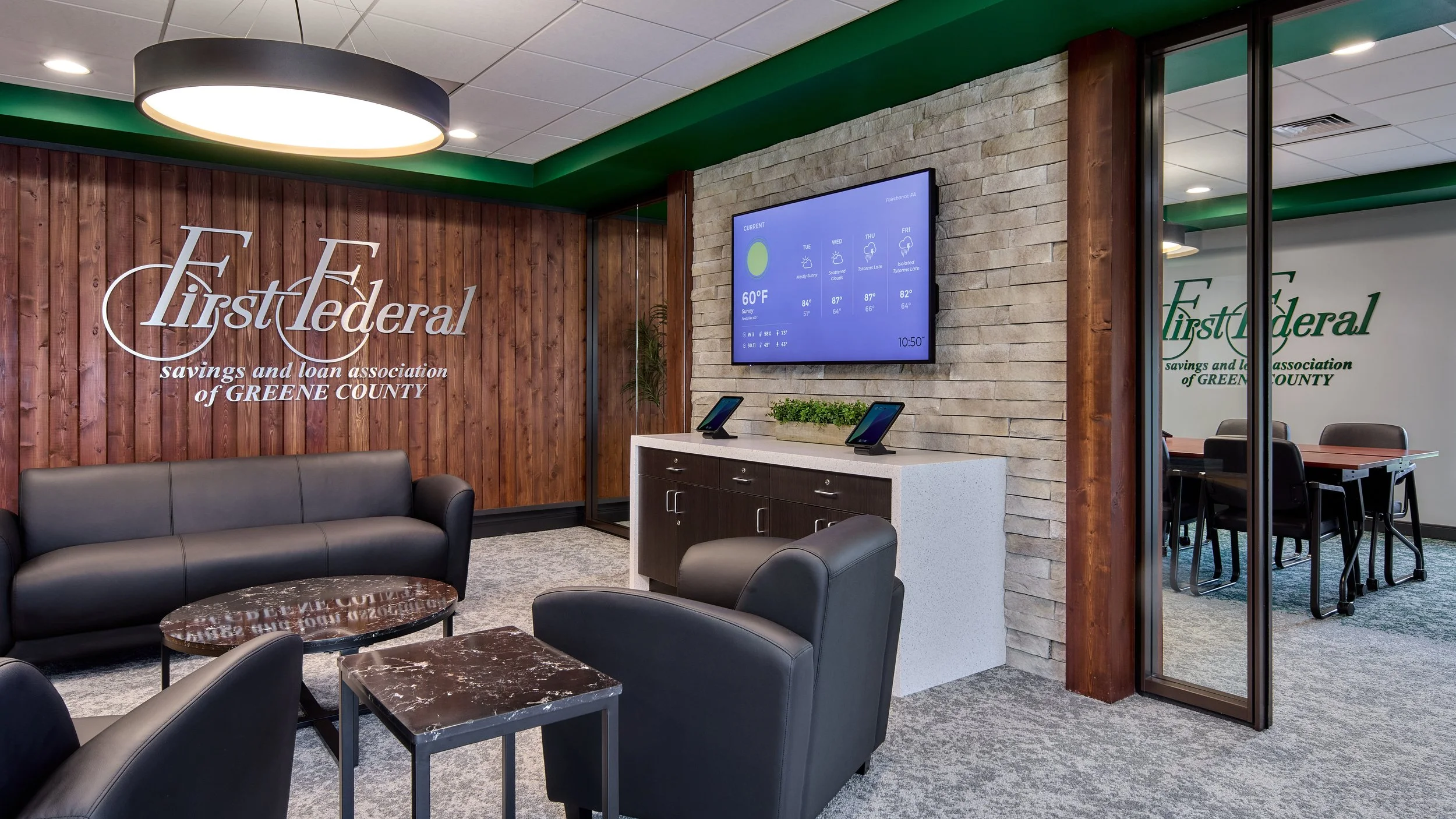
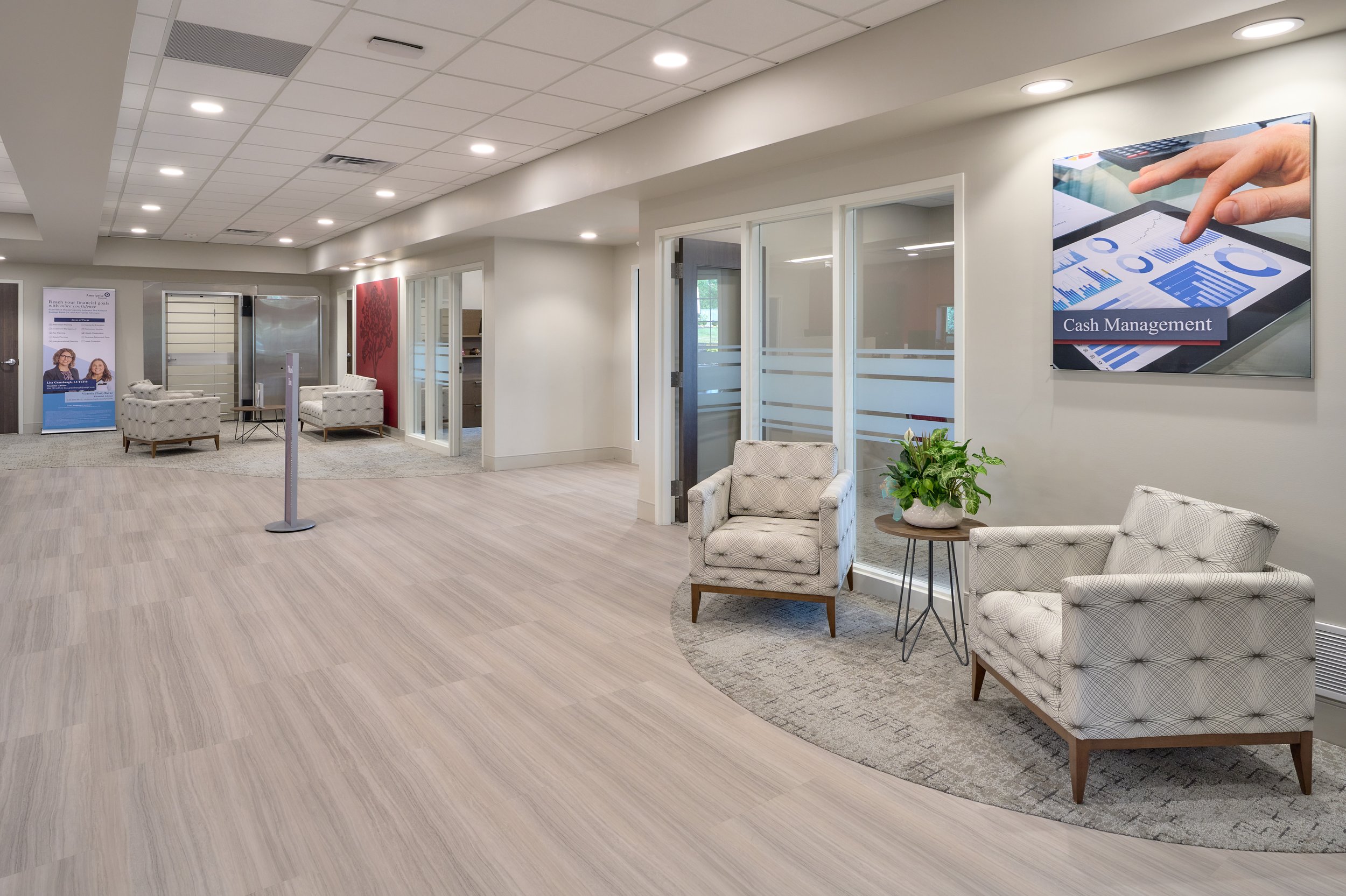
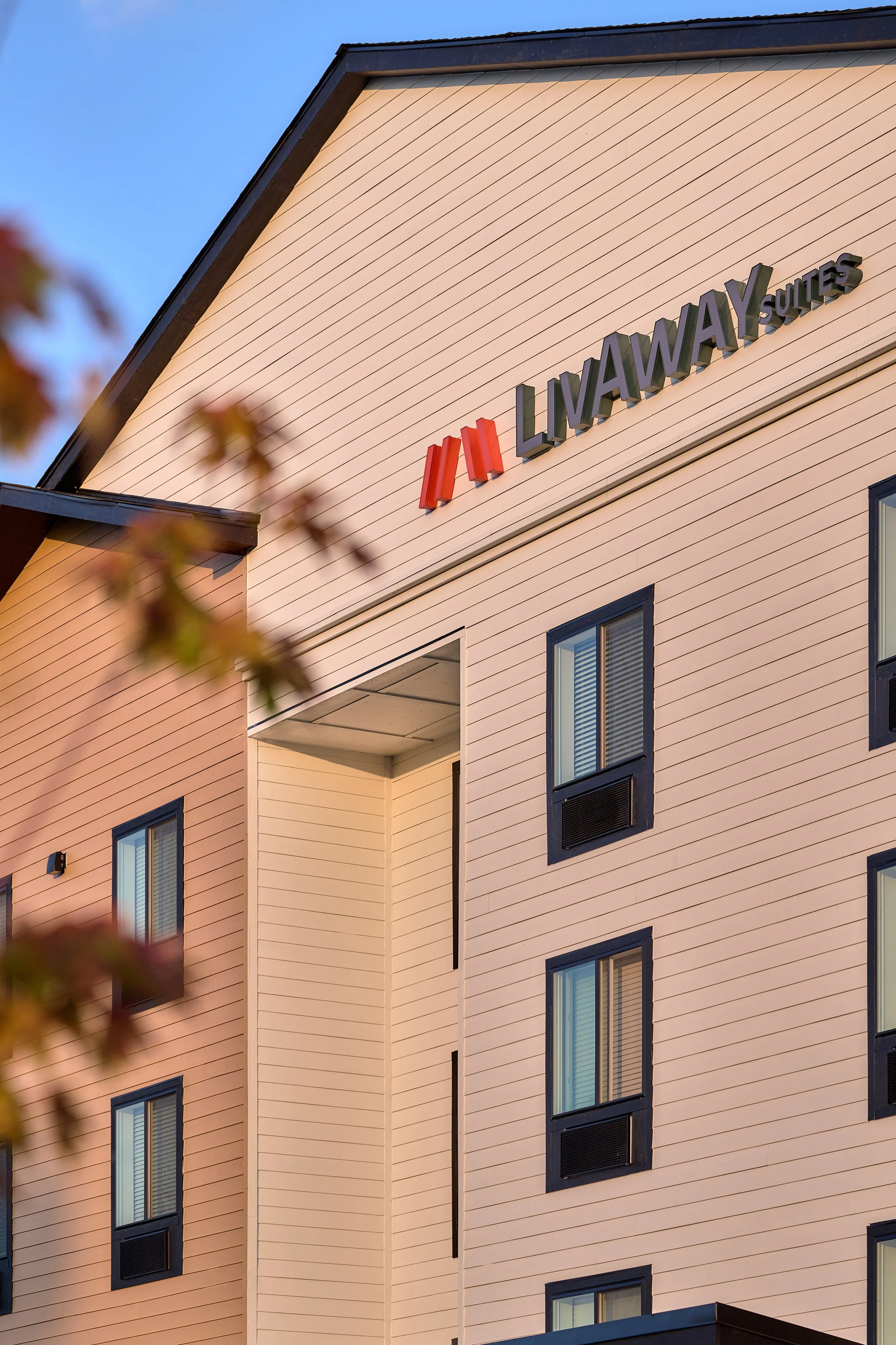
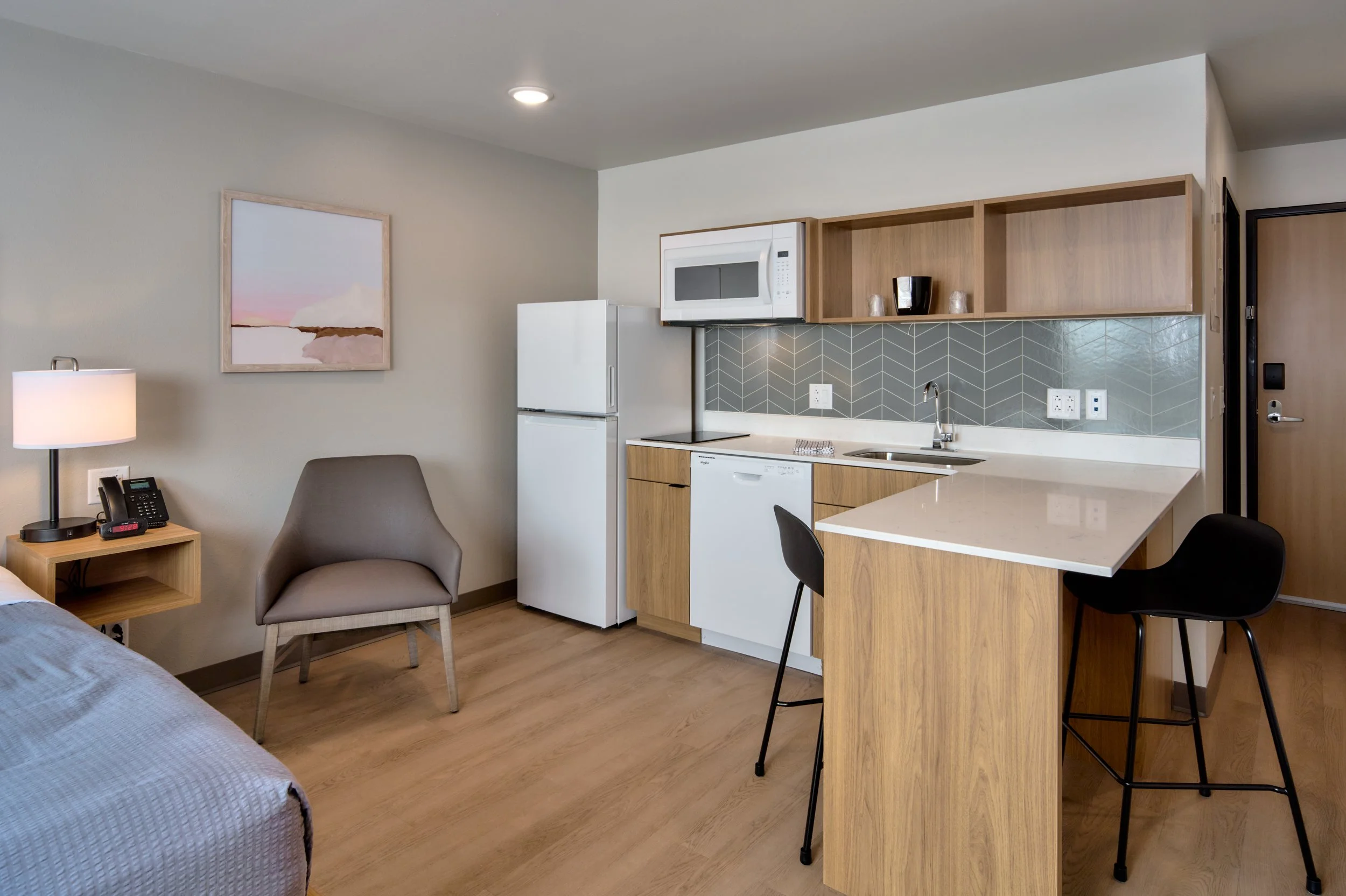
My work is grounded in collaboration — understanding what makes a specific project worth photographing, rather than applying the same formula to every space. I bring a strong attention to light, texture, and the interplay of design elements, whether the subject is a historic renovation, a new commercial build, or a finished interior.
That collaboration starts before the shoot: talking through the project, curating a shot list around what actually matters to you and the story you want to tell, and staying flexible on-site as the light and the space suggest new angles worth capturing.
That approach is built on more than 20 years in photography, the last 7 focused specifically on architecture and interiors. I've shot for clients including Knights of Columbus, BKV Group, and Shive-Hattery Architecture and Engineering, with long-standing partnerships with companies like Little Leaf Farms and PW Campbell.
Q: Do you photograph mechanical, structural, or technical building systems?
Yes — architectural, mechanical, and product reference photography are three distinct services I offer, and each is suited to a different purpose and audience.
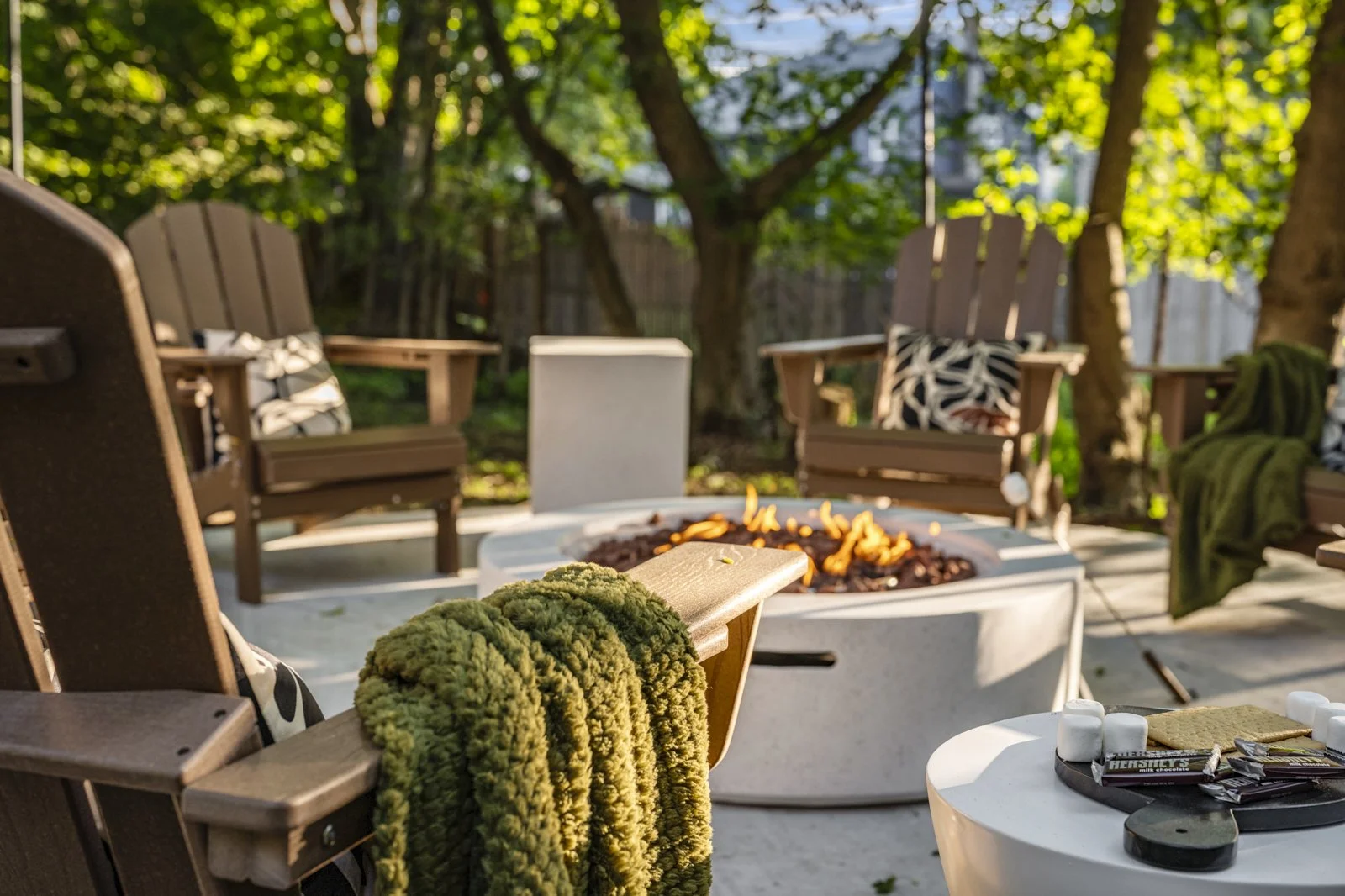
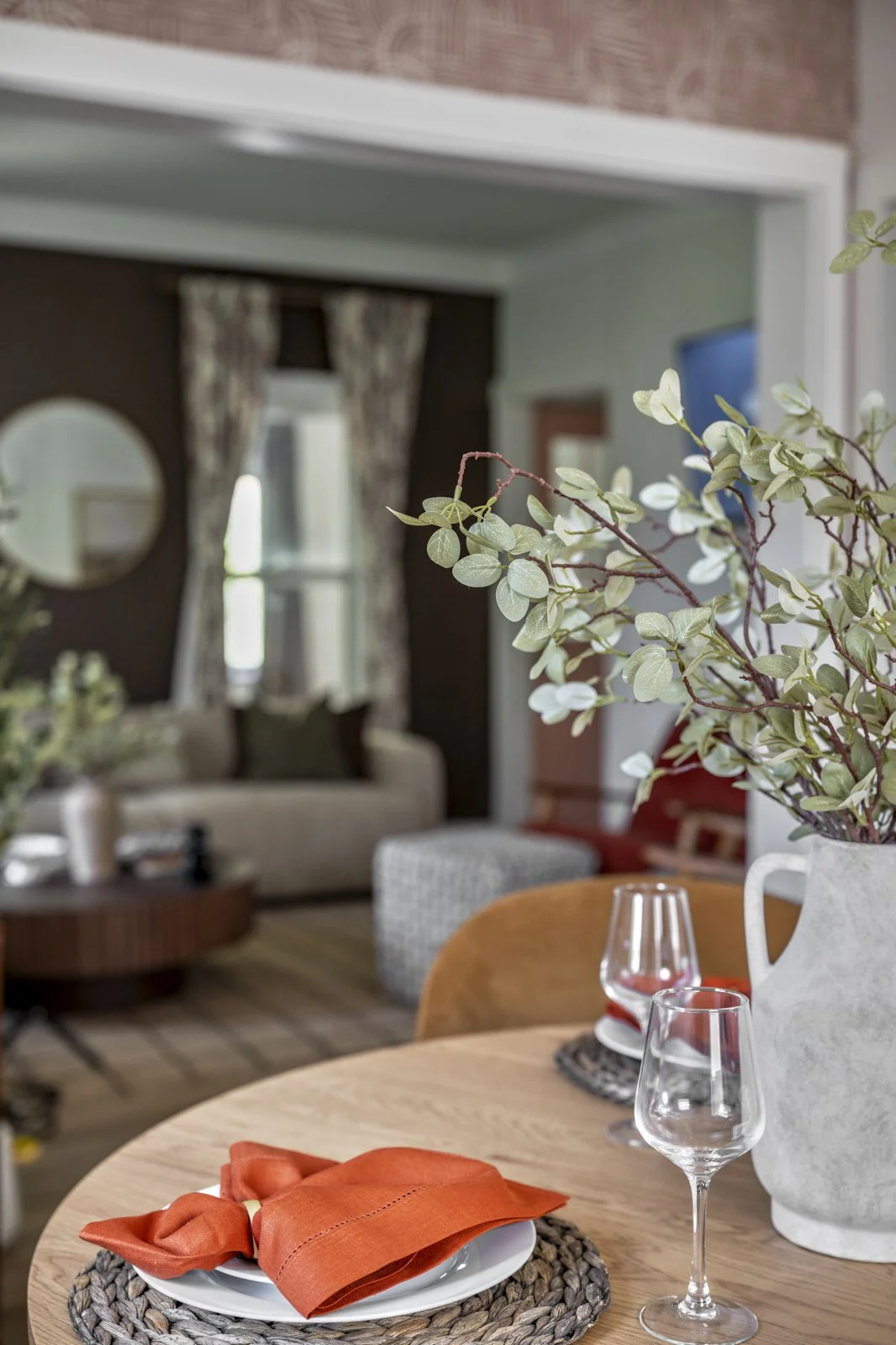
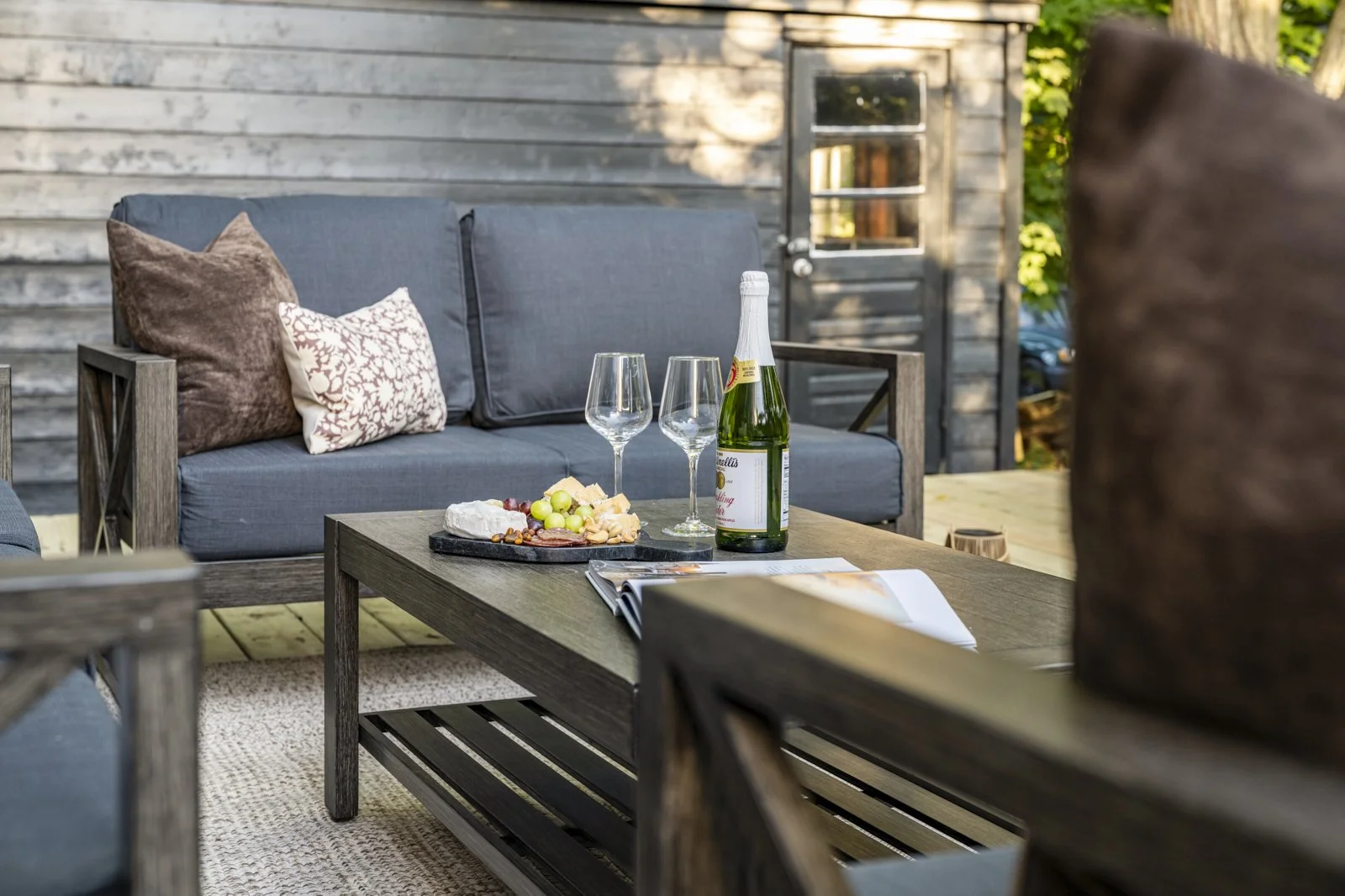
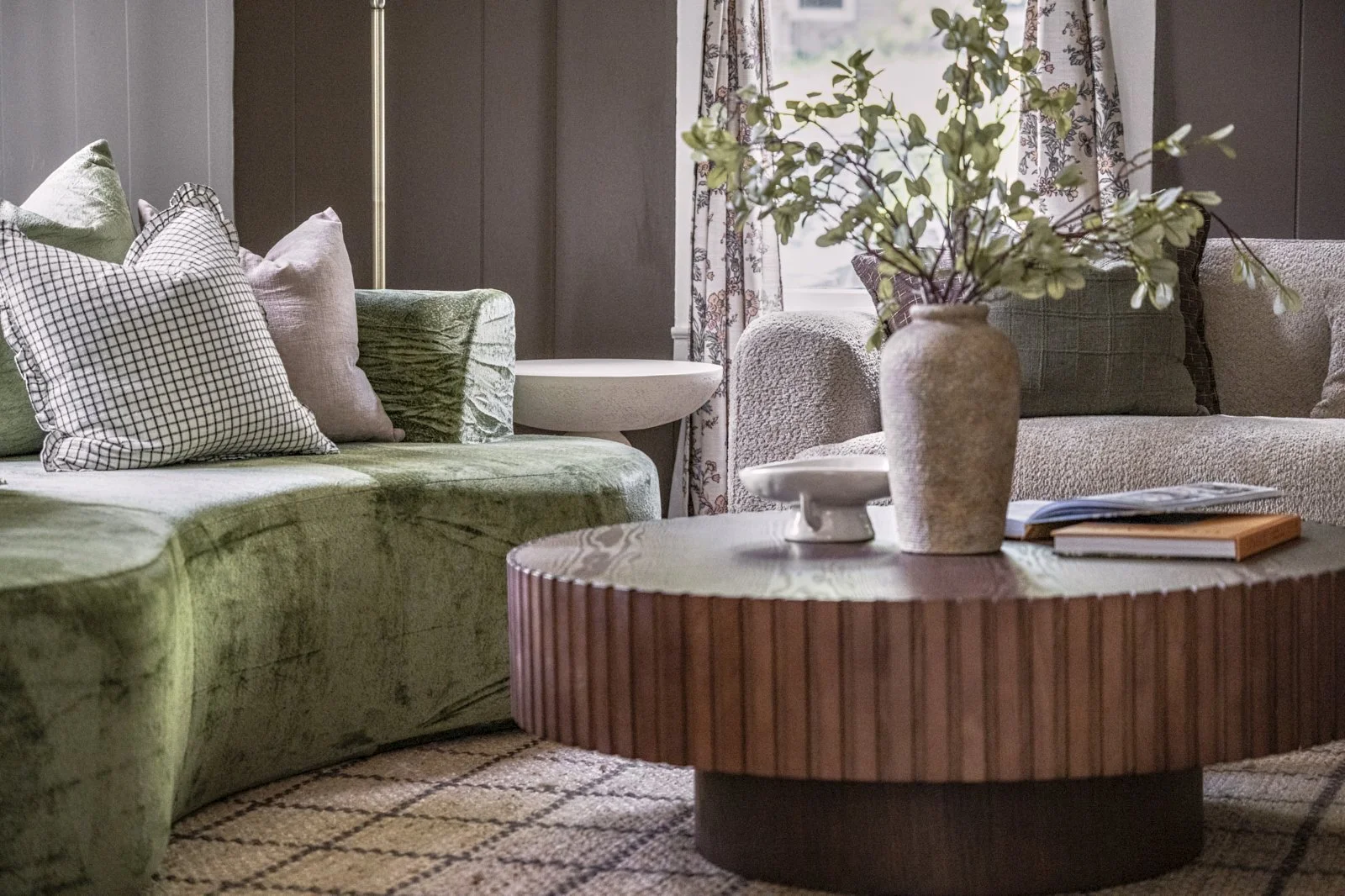
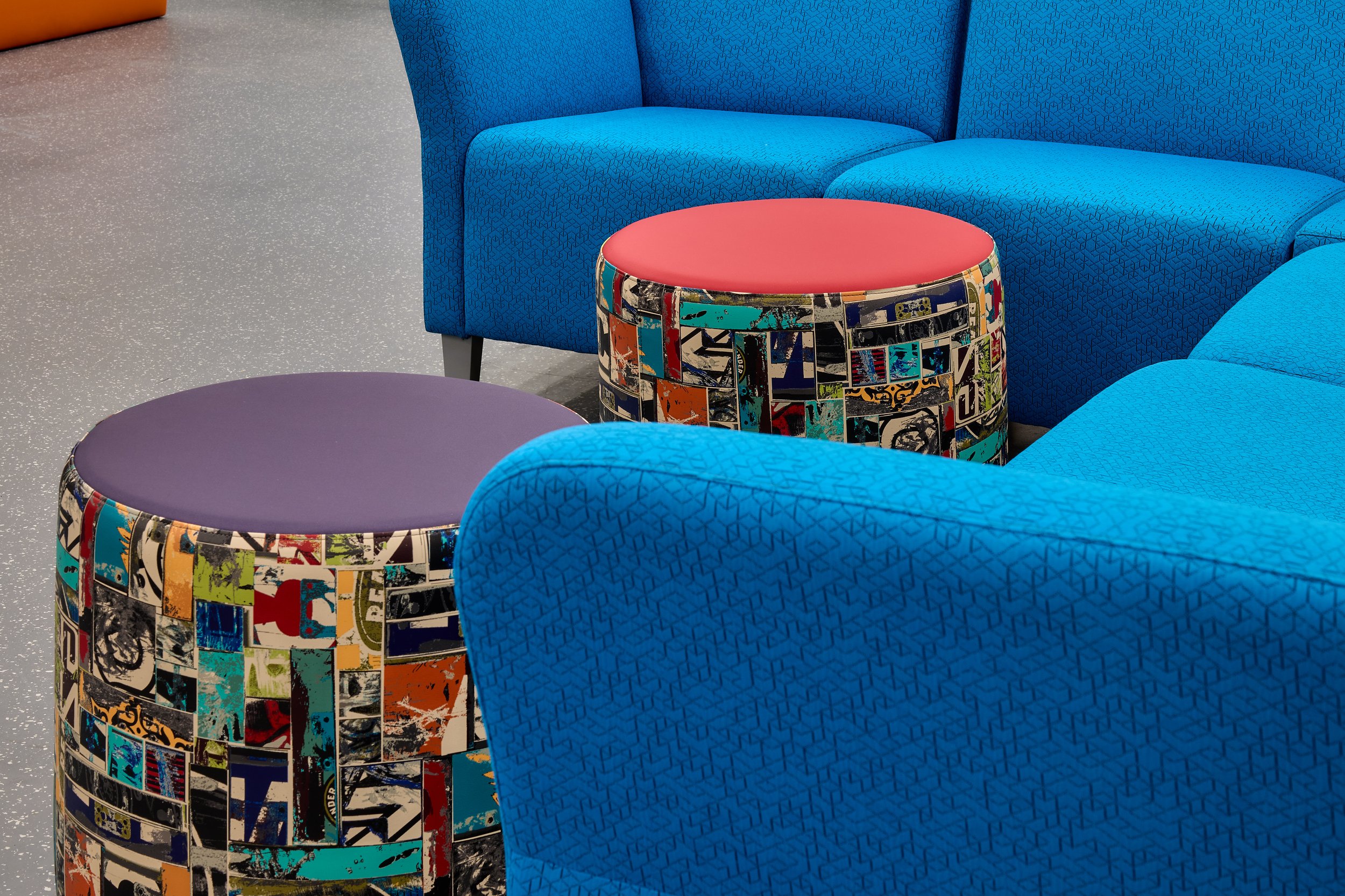
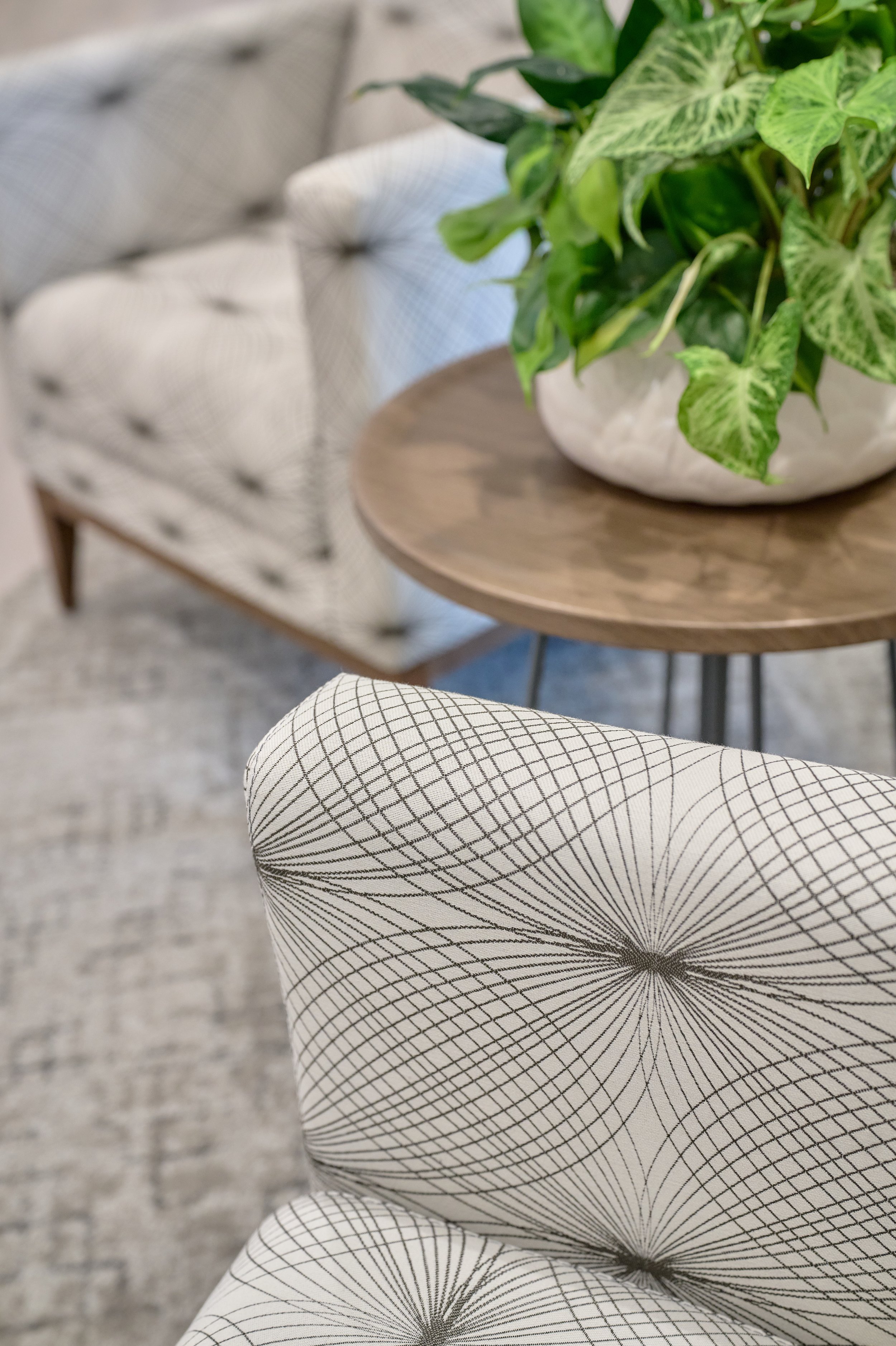
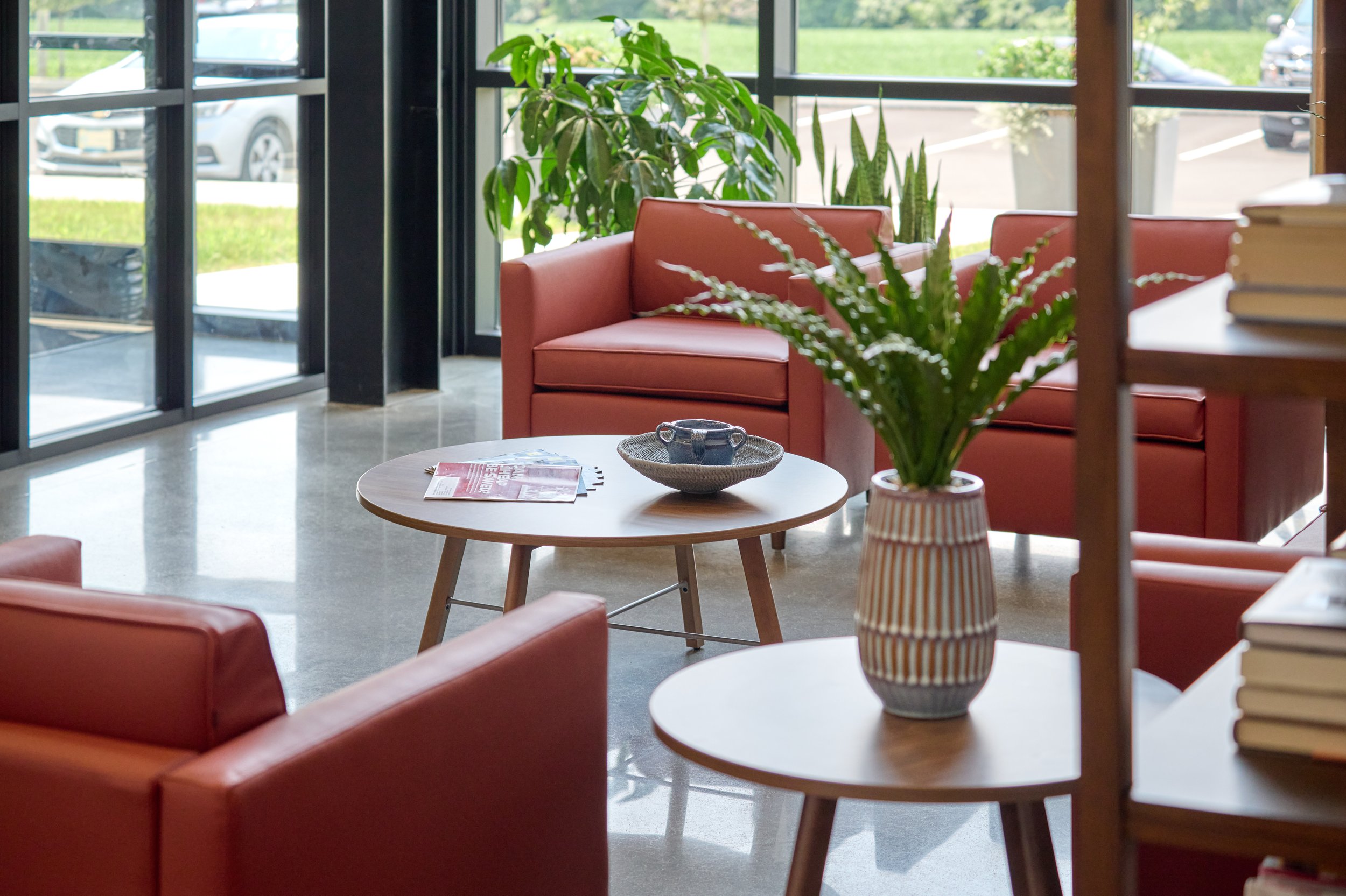
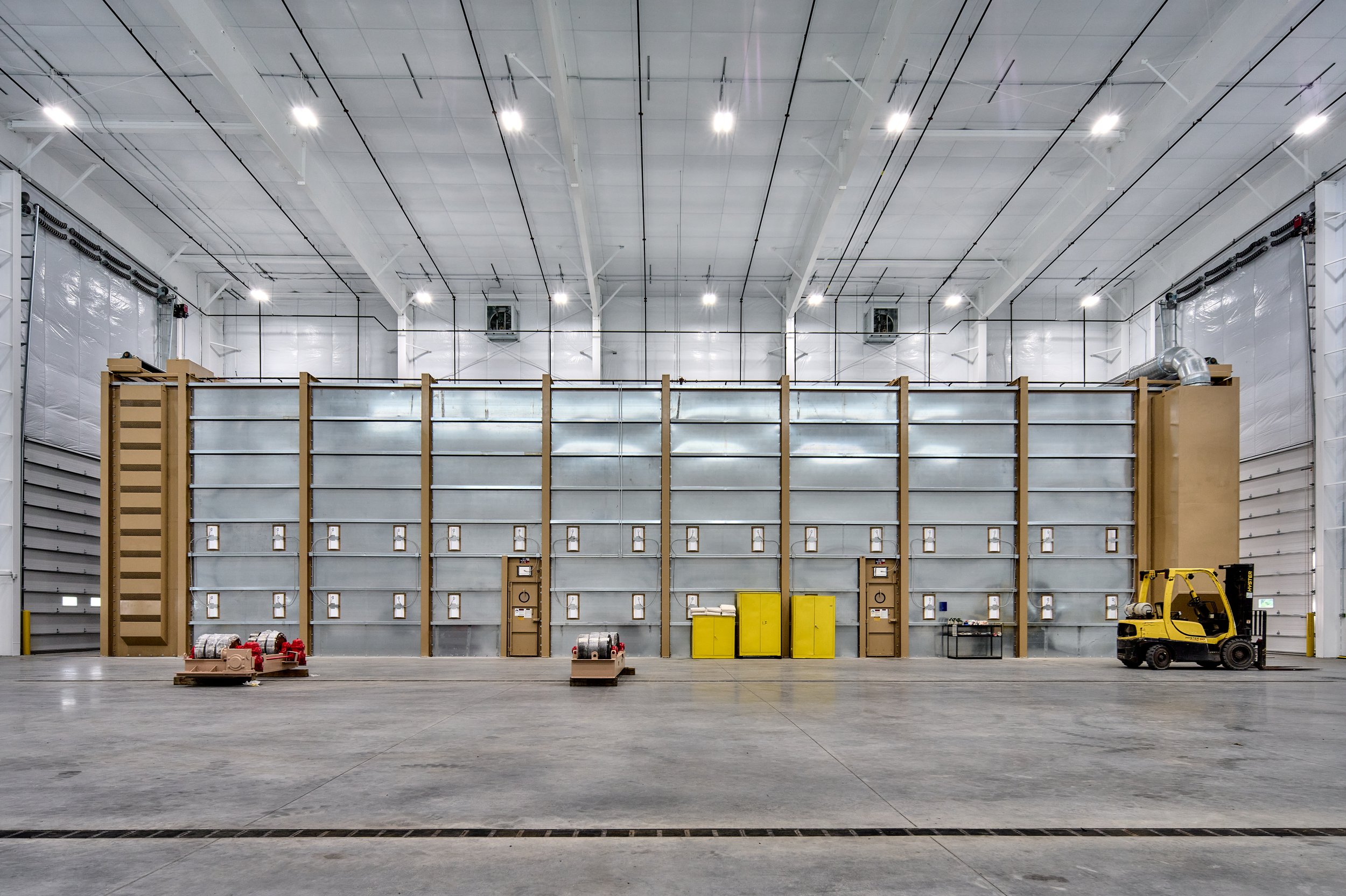
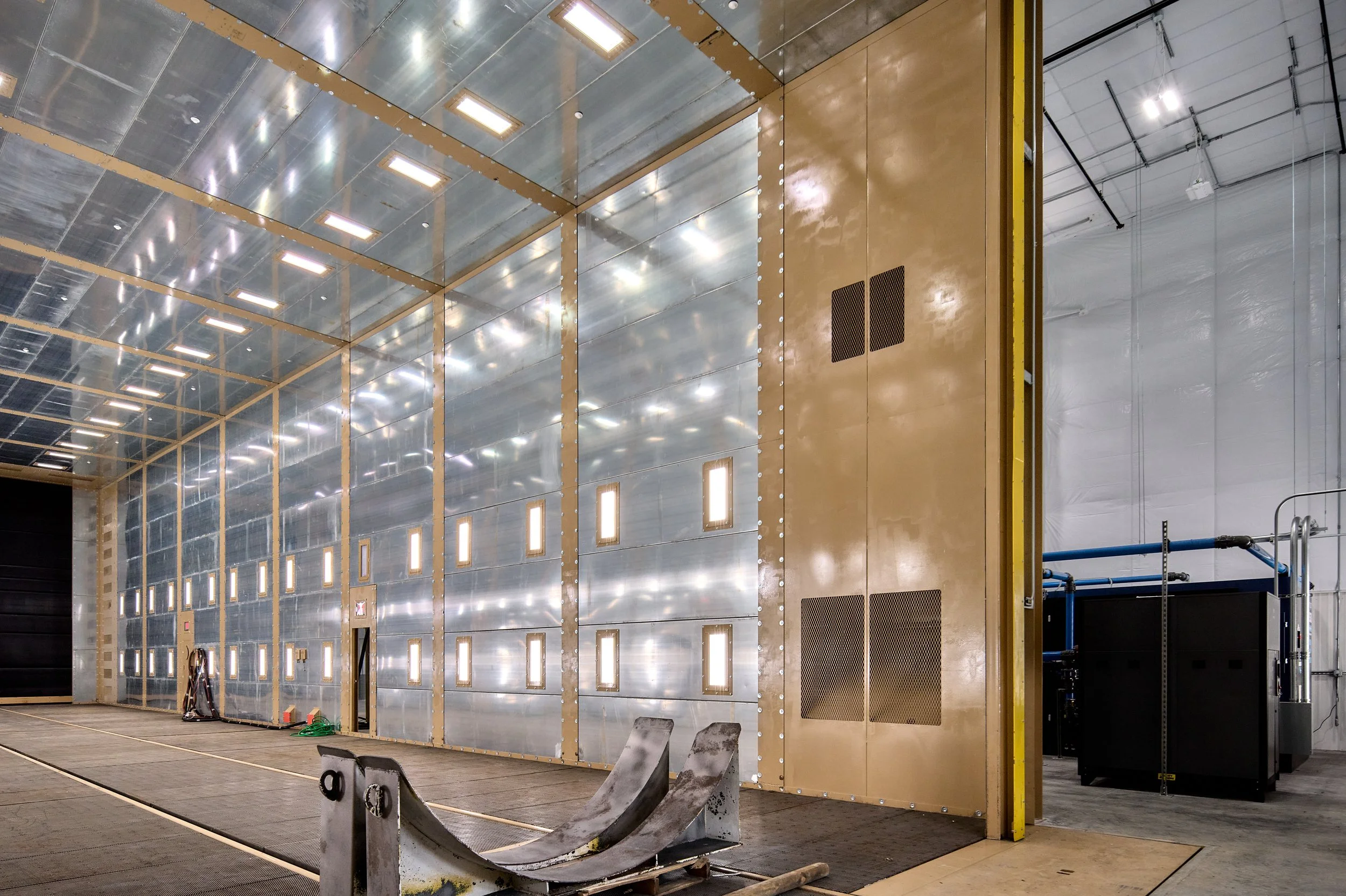
Architectural photography documents the completed project as a whole — the design intent, materials, and light that make the space work — aimed at architects, owners, and design firms telling the story of the finished project. Mechanical photography is technical documentation of installed systems — ductwork, electrical panels, mechanical rooms, rooftop units — shot for clarity and function rather than mood, used by engineers, mechanical contractors, and manufacturers for submittals and O&M records. Product reference shots are close, detail-focused images of a specific installed product — a light fixture, a piece of furniture, a building material — used by the manufacturer to show their product in a real, finished setting rather than to represent the project overall.
Which one (or combination) fits your project depends on who the images are ultimately for. If you're not sure, tell me about the project and I can help sort out the right approach.
Q: Do you photograph active construction sites and renovations in progress?
Yes. Documenting a project's transformation — not just the finished space — is work I do regularly for contractors, architects, and firms who want a visual record of progress, or who plan to use before/during/after images for an award or editorial submission later.
Safety comes first on an active site. I hold OSHA 10 certification for construction, carry general liability insurance, coordinate directly with the site supervisor ahead of time, and work around the crew's schedule rather than the other way around. If you're planning documentation across multiple phases of a build, we can set that up as an ongoing arrangement rather than one-off shoots.

Q: What usage rights do I get with the images?
Most clients receive a perpetual, non-transferable license covering their own website, social media, internal use, presentations, and standard printed marketing materials. I retain copyright on all images, and credit is requested where practical for editorial use.
Usage beyond that — paid advertising, national or regional ad campaigns, or placement in third-party publications — falls under expanded licensing, priced per image on top of the base license. If more than one party needs to use the same images (a manufacturer alongside the architect, for example), that's set up explicitly rather than assumed. Tell me how you plan to use the images and I'll make sure the license actually covers it.
Q: Do you file your images to the US Copyright Office?
Yes, I do. I file all of my images with the US Copyright Office (USCO), I use an online servicing portal through ImageRights that “scan” each image and make a digital photocopy so that their system can then troll the internet looking for instances of my work. It’s one of the better ways out there for me, to make sure that my work, and your project are kept safe. It helps to prevent illegal use by another party claiming it to be their project, design, or photography.
Q: Can I use the images to help train/teach AI models?
No. And I try to do my best to also protect my images and your designs from AI model learning with legal language built into all of my documents. At this time I do not allow any of my work to be used for this purpose. This is an ongoing discussion internally and may change in the future. But for now this is not allowed.
Q: Can a product manufacturer (lighting, furniture, building materials) license images that feature their product?
Yes — this comes up regularly. If your product appears in a project I've photographed and you'd like to use those images in your own marketing, that's a separate license specific to that use, not an automatic extension of whatever was granted to the architect or design firm on the project.
Reach out with the specific project and images you're interested in, and we can work out terms for that use — pricing depends on scope (a product page or catalog vs. broader advertising) and duration, the same way it does for any other licensing conversation.
Q: Can you photograph a project for an award submission or publication?
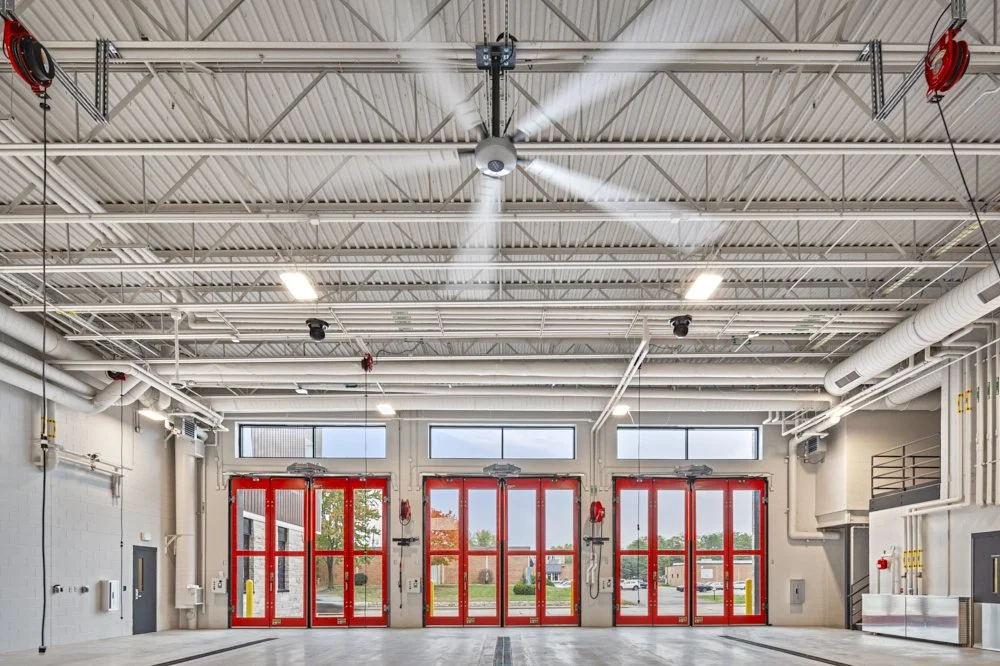
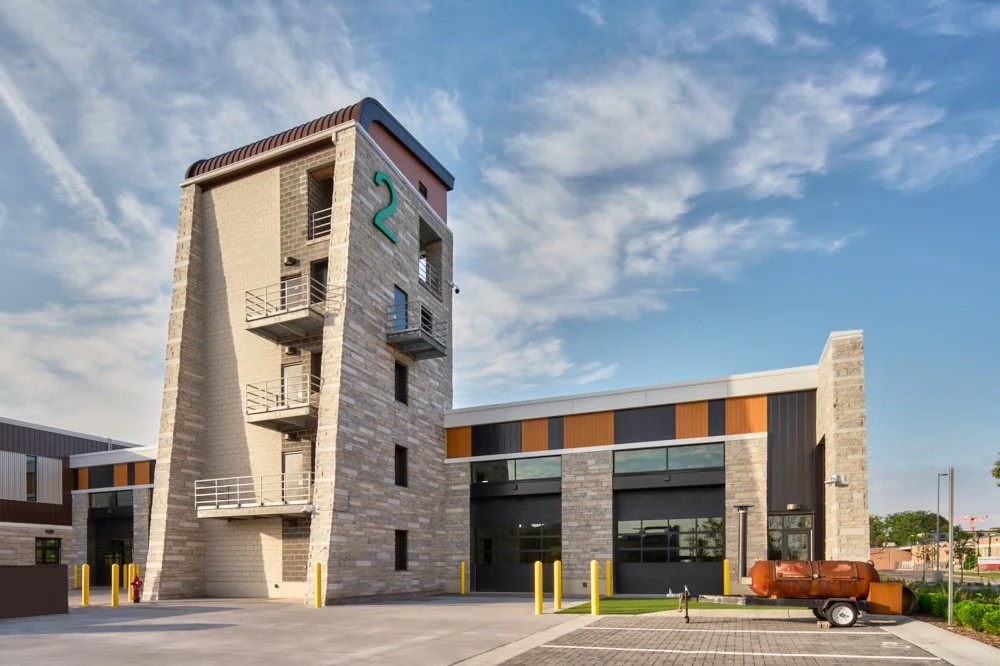
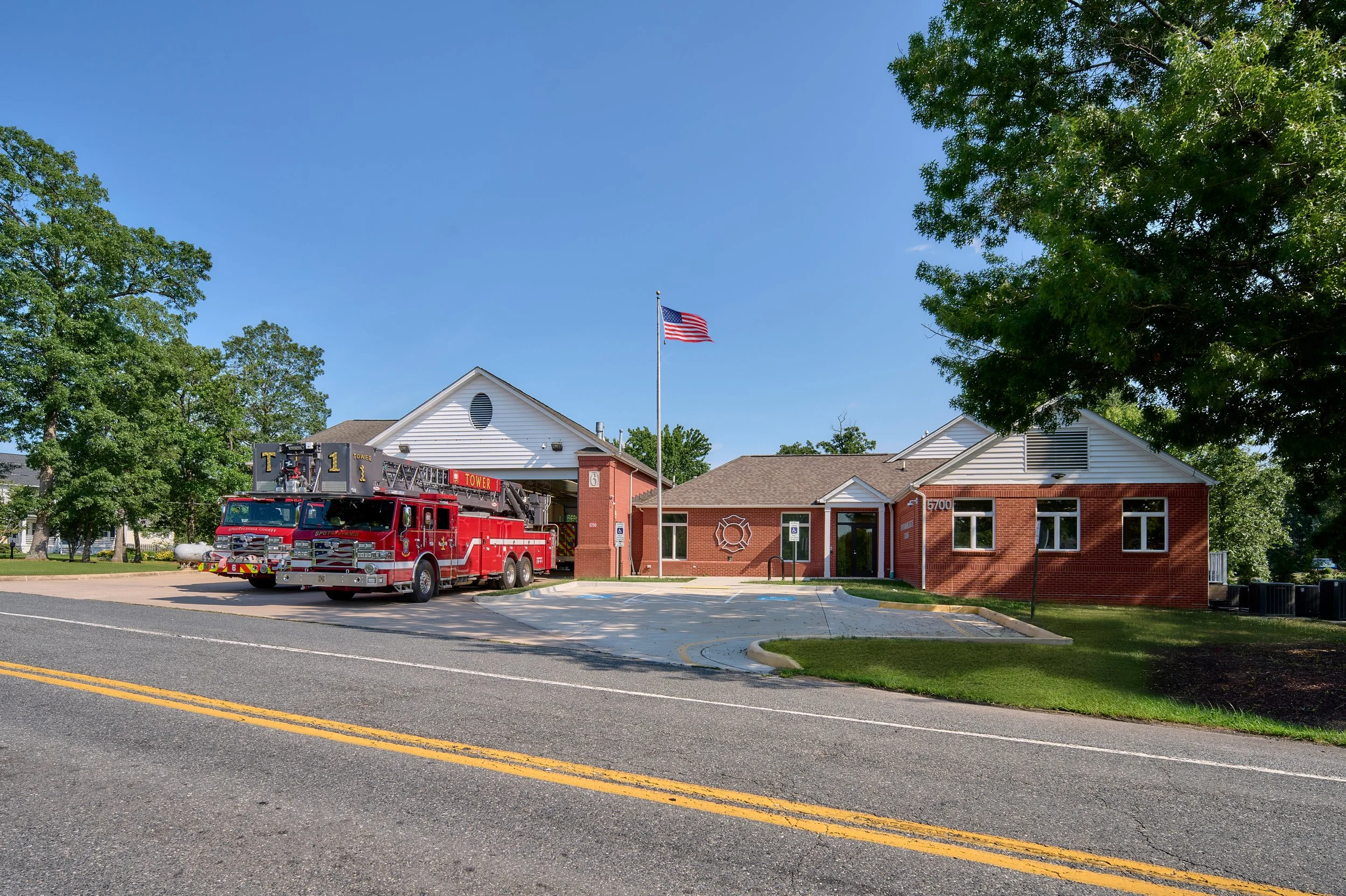
Yes — this is a regular part of my work, not an add-on. Projects I've photographed have received AIA recognition through the Pittsburgh chapter, several are currently submitted for awards through the architecture and design firms I worked with — including a client's fire station project submitted for the Fiero Awards — and two are currently up for consideration in the Architecture MasterPrize.
I approach these shoots with an eye toward the submission from the start — not just documenting the space or showcasing the finished product, but understanding the narrative of the project and the language of the design, and thinking about how those ideas translate into the images a jury actually responds to. Award and publication submissions also have their own practical requirements — specific file formats, image counts, resolution, and the mix of "hero" and detail shots a jury or editor expects to see. If you have a submission deadline in mind, the earlier you loop me in, the more the shoot can be built around exactly what that award or publication needs, rather than trying to make existing images fit after the fact.
Q: How far in advance should I book for an award submission?
The earlier, the better. Booking well ahead of a submission deadline means the shoot itself can be planned around what that specific award needs — not scheduled around leftover time before the deadline.
That includes weather and light windows for exterior/twilight shots, coordinating access to a finished or nearly-finished space, and building in time for a full edit pass before the submission portal closes. If you already know the award and its deadline, share both when you reach out and we'll work backward from there.
Q: What's the difference between architectural photography, real estate photography, and a 3D rendering?
They serve different goals. Architectural photography documents a real, completed space with the light, materials, and design details as they actually are — meant to tell the story of a project for a portfolio, publication, or award submission. Real estate photography is built for speed and transactions — wide, well-lit shots meant to help a listing sell or rent quickly, not to make a design case. 3D rendering isn't photography at all — it's a computer-generated visualization, often used before a space is built or when it doesn't exist yet, useful for pitching a design concept but not a substitute for documenting the finished, real thing.
If you're marketing a design to potential clients or submitting to an award or publication, architectural photography is what you want. If you're renting or selling a property, real estate photography does the job faster and cheaper. If the space doesn't exist yet, rendering is the only option of the three.
Q: How do I book a project, and what happens next?
Email brian@brianriedelphotography.com with your project details and rough timeline, or call 570-578-2285 to talk it through directly. From there, we'll confirm scope, schedule around your project's completion or deadline, and I'll send a shot-list outline before the shoot itself.



Send me an email, get the conversation started with a detailed message about your project needs and timeline at brian@brianriedelphotography.com.

Call me directly for a personal discussion about your photography requirements at 570-578-2285.

Let’s get together and talk one on one, share your vision and explore creative possibilities over a coffee…or tea.

Member of: