Faces In the Spaces
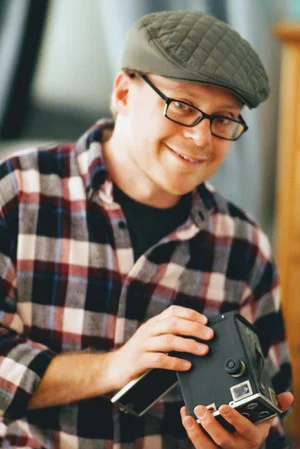
Bringing people back into the frame feels like returning to something essential. The slow season has opened up space not just for architecture and everyday objects, but for another part of the work that has always mattered: portrait and figure photography. Having someone step into the studio or meeting them on location changes everything. The camera is no longer just about structure and light; it becomes a way of collaborating with another person in real time.
There’s a different kind of energy when someone’s standing in front of the lens. A building won’t react if you hesitate. A person will. How they shift their weight, where they put their hands, whether they trust the process—those are all part of the picture. Portrait and figure work reminds that photographs aren’t only about space; they’re about presence. That’s something missed when the focus stays too long on places without the people who inhabit them.
Back in the studio with people
Stepping back into the studio for portraits feels like reconnecting with an old muscle. The same lights, the same backdrops, but a different intention. Instead of documenting a space, the goal is to make a space where someone can actually show up as themselves. Sometimes that means carefully shaping light and posing; other times it means letting the subject move, breathe, and shift until something honest appears.
There’s a mix of control and surrender in this kind of work. The technical side still matters—how the light falls across a face, how a figure separates from the background, how color and texture shape mood. But the best frames usually happen in the moments between directions. The glance off to the side. The half-laugh when something doesn’t quite go as planned. The second when someone stops “performing” and simply exists.
On location, letting the space respond
Portraits don’t have to live only within four studio walls. Taking people out on location brings together both sides of the work: the attention to environment developed through architectural photography and the human connection of portraiture. A figure standing against a weathered wall. Someone walking through a half-finished construction site. A subject framed by the same everyday spaces and details that have been getting more attention lately.
On location, the collaboration widens. It’s not just photographer and subject—it’s the subject and the space interacting. How they move through a doorway. Where they naturally lean. How their body reacts to open light versus a narrow alley. Those reactions shape the image as much as any direction given. The job becomes noticing those small shifts and responding to them rather than forcing every frame into a pre-planned idea.
Collaboration as the real subject
What makes portrait and figure work special is the collaboration itself. Two people bringing ideas, histories, and expectations into a shared moment and trying to build something together. When it works, it feels almost invisible—like the image just “happened.” But underneath that is a lot of small choices: how much direction is given, how carefully someone is listened to, how open both sides are to trying something that might not work.
Those sessions often leave a different kind of impression than a solo day walking with a camera. There’s a sense of having built something with someone, not just captured them. A portrait that feels true is rarely an accident; it’s the result of trust, patience, and both people being willing to stay in the moment a little longer than feels comfortable.
Letting portraits shape everything else
Spending more time with portrait and figure work is already starting to echo back into other areas. Looking at contact sheets and edits from recent sessions, the same questions come up as with architecture and everyday objects: Where does the image feel honest? Where does it feel over-directed? What small details make the frame feel alive instead of staged?
Those questions are useful everywhere. They influence how life is looked for around buildings, how everyday objects are framed, and how future portrait sessions are planned. The slow season gives room to do this without pressure—to invite people into the studio or out on location simply to experiment, to collaborate, to see what happens when the goal isn’t a perfect portfolio piece but an honest moment shared.
That’s where this part of Reflective Thoughts lives: in the space between technical control and genuine connection. Portrait and figure photography will never replace the love for architecture and everyday scenes—but it adds something essential back into the mix. A reminder that all these spaces and objects ultimately come back to the people who move through them.