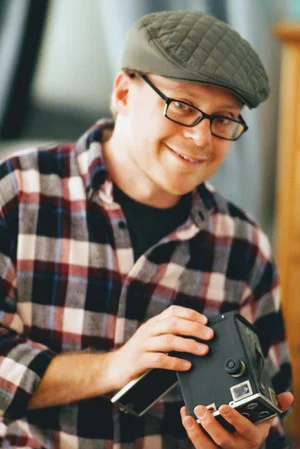
Lately, the work has looked a little different.
Looking back at the year
I’ve been going back through the year’s photographs—not just scrolling folders looking for something to post, but actually sitting with what I made over the past twelve months. Trying to understand what it was really about. What I was drawn to. What actually mattered versus what just looked good in the moment.
I’m putting together the next issue of Structure, my zine, and it’s forcing a level of honesty that normal editing doesn’t always demand. I can’t just grab twelve favorite frames and call it done. I have to ask harder questions.
What kept showing up in my work?
What felt important at the time but doesn’t hold up now with fresh eyes?
What surprised me when I went back through these files?
The uncomfortable part is realizing how much of this year I spent on autopilot.
Clients were happy. They got their portfolio images. Projects delivered. Invoices paid. From the outside, everything worked. But what did I actually accomplish for myself? I had creative freedom on a lot of these shoots, but when you’re focused on delivering what the client needs, it’s easy to stop asking what you need.
Did I use that freedom to push myself, or did I stay comfortable—giving good work without challenging myself to find something better?
Right now, there aren’t clean answers. The only honest thing to do is sit with what I’m seeing and try to understand the evidence in front of me.
What the work is telling me
Patterns start to show up once you slow down long enough to look.
Projects where I genuinely had room to explore versus jobs where I was just checking boxes off a shot list. Times when I was forced to slow down—waiting for light, dealing with weather, responding to something unexpected—and the work got stronger because of it. Collaborations that pulled me forward instead of just asking me to execute someone else’s idea.
And then there are images that felt huge in the moment but, looking back, are just fine. Competent. Nothing special. That’s not easy to admit, but it’s the whole point of doing this.
If this winter is going to be different—more film, more personal projects without deadlines, more actual practice instead of constant production—then I need to understand what I’ve been practicing up to this point.
Which habits are actually helping?
Which ones just feel productive but aren’t moving anything forward?
What practice really means
You can’t practice better if you don’t understand what you’ve been practicing.
It sounds obvious, but it’s the easiest step to skip. Keep moving. Stay busy. Assume you’re improving because you’re working more. Because the emails keep coming in. Because clients keep returning.
But volume isn’t practice. Repetition isn’t the same as improvement.
The thing I’m realizing is that practice has to be built in on purpose. It won’t happen on its own. If I don’t make space for it, there will always be a reason to put it off. Too cold outside. Too many deadlines. Not feeling inspired. And then I won’t take that walk with a camera. I won’t spend time studying other photographers’ work and letting myself be challenged by what they’re doing differently.
So that’s where I am right now.
Before winter really sets in and new work starts to replace the old, before the film camera comes out for directions I haven’t tried yet, I’m looking back. Paying attention to where I’ve actually been this year—what worked, what didn’t, and what I want to carry forward into whatever comes next.
Because moving forward without that understanding just means repeating the same year again.
Looking back is the uncomfortable part. But it’s also where Reflective Thoughts really begins: in the quiet work of seeing your own patterns clearly, so the next images have somewhere more honest to come from.